
Last autumn in Hull, a homeowner attempted to remove a massive oak tree from their back garden using nothing more than a chainsaw and a YouTube tutorial. The result? A damaged roof, a crushed greenhouse, and a rather expensive lesson in why tree removal safety guidelines exist. This isn’t an isolated incident—across the UK, DIY tree removal accidents send hundreds of people to A&E each year, with many more suffering property damage that could have been easily prevented.
Whether you’re dealing with storm-damaged branches or planning a complete garden transformation involving tree removal, understanding proper safety protocols could save your life, your property, and your wallet. Tree work ranks among the most hazardous occupations in the country, and there’s good reason why professional arborists undergo extensive training and certification.
Understanding the Real Risks of Tree Removal
Tree removal isn’t simply about making cuts and watching timber fall. Each tree presents a unique set of challenges that can quickly turn dangerous without proper knowledge and preparation. In Hull’s variable weather conditions, factors like wind direction, soil saturation, and seasonal tree health all play crucial roles in determining safe removal procedures.
Statistics from the Health and Safety Executive reveal that tree work accounts for a disproportionate number of workplace fatalities relative to the number of people employed in the industry. The most common accidents involve falling branches, equipment failure, and unpredictable tree behaviour during cutting operations.
Assessing Your Tree Before Any Work Begins
Before touching a chainsaw or calling a professional, conducting a thorough tree assessment forms the foundation of any safe removal project. Look for signs of disease, decay, or structural weakness that could cause unexpected failure during removal. Dead branches, fungal growth around the base, or hollow-sounding trunks when tapped all indicate potential hazards.
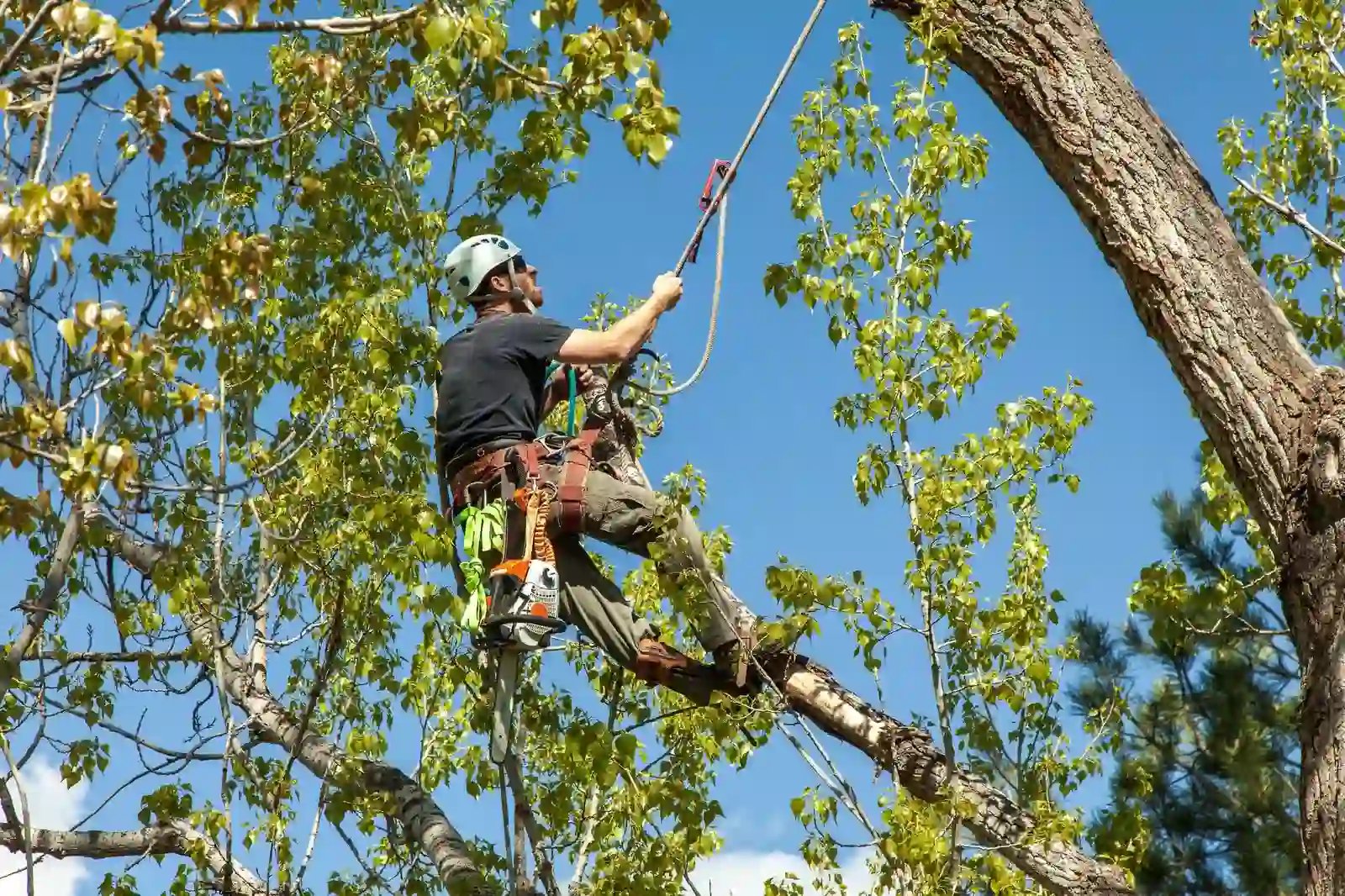
Consider the tree’s proximity to power lines, buildings, and other structures. In Hull’s suburban areas, where properties often sit close together, a falling tree can easily damage multiple homes. Professional arborists use specialised techniques like sectional dismantling to remove trees in confined spaces safely.
Essential Safety Equipment and Preparation
Proper personal protective equipment (PPE) represents your first line of defence against tree removal injuries. This goes far beyond simply wearing a hard hat—comprehensive protection includes cut-resistant trousers, steel-toe boots with good grip, safety glasses, and hearing protection when operating power tools.
The chainsaw itself requires careful selection and maintenance. Many DIY enthusiasts underestimate the importance of chain sharpness, proper tensioning, and regular servicing. A dull chain requires more force to cut, increasing the likelihood of kickback—one of the most dangerous chainsaw-related accidents.
Planning Your Cutting Strategy
Professional tree removal follows a systematic approach that considers multiple factors simultaneously. The direction of natural lean, wind conditions, escape routes, and landing zones all influence cutting decisions. Many accidents occur when homeowners fail to plan adequate escape routes or underestimate how far debris might travel.
Creating clear escape paths at 45-degree angles from the intended fall direction gives you the best chance of avoiding injury if things go wrong. These paths should be clear of obstacles and provide quick access to safety.
When to Call Professional Tree Services
Certain situations absolutely require professional intervention, regardless of your DIY confidence. Trees near power lines pose electrocution risks that no homeowner should attempt to manage. Similarly, trees over 15 feet tall, those showing signs of disease or storm damage, or removals requiring working at height all warrant professional attention.
In Hull, where mature trees often predate surrounding development, root systems can extend well beyond the visible canopy. Professional services understand how to assess and manage these complex root structures during removal, preventing damage to foundations, underground utilities, and neighbouring properties.
The Hidden Complexities of Stump Removal
Tree removal doesn’t end when the trunk hits the ground. Stump removal presents its own set of safety challenges that many overlook. Grinding equipment operates at high speeds with rotating cutting wheels that can throw debris considerable distances. Professional stump grinders include protective shields and require specific operating techniques to prevent injury.
Manual stump removal using digging and chemical treatments takes significantly longer but may be necessary in areas where machine access is limited. Either approach requires understanding soil conditions, root depth, and potential utility line locations.
Complementary Garden Maintenance Considerations
Tree removal often forms part of broader garden maintenance projects that might include hedge trimming and other landscaping work. Planning these activities together ensures consistent safety standards and can improve overall project efficiency. Hedge trimming, while seemingly less dangerous than tree removal, still requires proper equipment and technique to prevent cuts and falls.
Professional services often provide comprehensive packages that address multiple garden maintenance needs simultaneously, ensuring consistent safety standards across all work. This integrated approach often proves more cost-effective than hiring separate contractors for different tasks.
Making the Right Decision for Your Property
The decision between DIY and professional tree removal ultimately comes down to honest assessment of the risks involved and your own capabilities. Small branches and minor pruning might fall within reasonable DIY scope, but anything involving significant height, power lines, or structural risks requires professional expertise.
Professional arborists carry comprehensive insurance, understand local regulations regarding tree removal, and possess the specialised equipment necessary for safe, efficient work. When you consider the potential costs of property damage, medical bills, or even legal liability from DIY accidents, professional services often represent excellent value.
If you’re facing tree removal challenges on your property, don’t leave your safety to chance. Contact a certified arborist today for a professional assessment and quote. Your future self, and your insurance company, will thank you for making the responsible choice.
Comments are closed