
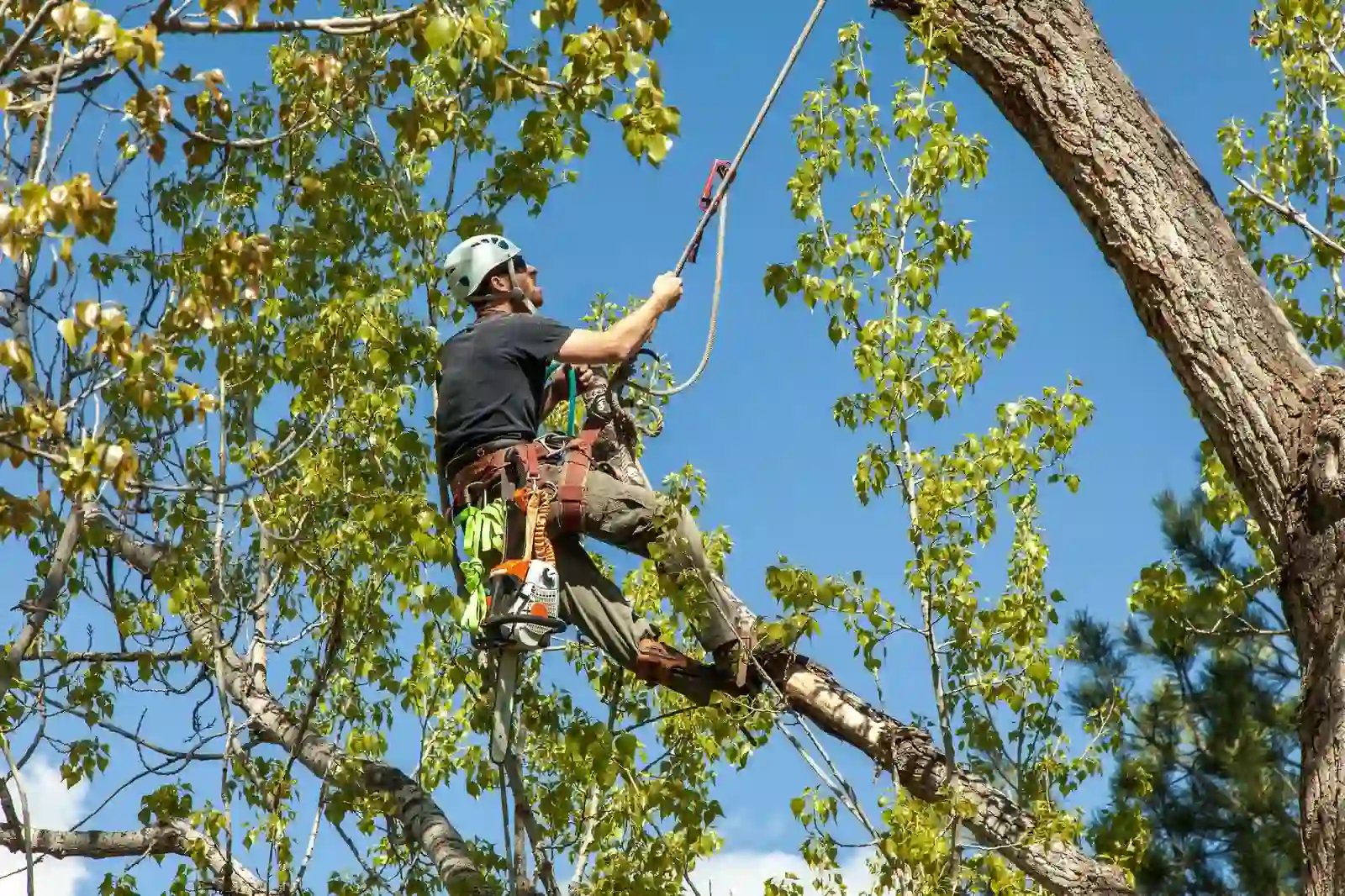
Have you ever looked up at a tall, leafy tree and wondered how it stands strong through fierce winds, or why the lawn underneath sometimes struggles? The secret to a resilient, vibrant tree may be in a careful process known as crown thinning. This targeted method, expertly performed by skilled tree surgeons, is vital for the health, safety, and beauty of both trees and the spaces around them.
Whether you’re cultivating a thriving garden or maintaining mature trees on commercial property, understanding the role of crown thinning can transform your approach to tree management. Alongside other essential services such as tree removal, crown lifting, and deadwood removal, crown thinning is central to healthy, long-lived trees.
What is Crown Thinning?
Crown thinning is a precise pruning technique in which selected live branches are removed from the crown, the leafy top portion of a tree without altering the tree’s overall shape or size. The goal is to reduce canopy density, enhance airflow and light penetration, and strengthen the tree’s structure. This approach differs from improper practices like “lion tailing,” where too many inner branches are stripped, leaving the tree weakened and vulnerable to damage.
Before carrying out crown thinning, professional tree surgeons assess the species, age, and condition of the tree. Broadleaf trees like oak, beech, and sycamore often benefit, while not all conifers or naturally open-canopied trees are suited. Crown thinning frequently works in tandem with crown lifting (removing lower branches for better access or light) and deadwood removal (taking away dead or hazardous limbs).
Other Essential Services:
- Crown lifting: An important service for improving clearance, visibility, and light penetration by removing lower branches.
- Deadwood removal: Involves extracting dead, dying, or dangerous branches to prevent accidents and disease spread.
- Tree removal: Reserved for trees that are beyond saving due to disease, instability, or safety concerns.
Combined, these practices contribute to robust, healthy trees and a safer outdoor environment.
The Key Benefits of a Thinner Crown
Thinning the canopy may seem minor, but it offers multiple advantages for tree health and nearby spaces:
- Improved Light Penetration: By letting more sunlight reach through the branches, crown thinning encourages growth within the tree and under its canopy. Grass and other plants nearby often thrive as a result.
- Better Air Circulation: Increased airflow reduces moisture on leaves and bark, lowering the risk of fungal diseases and helping to keep the tree drier after rain.
- Reduced Wind Resistance: A dense canopy acts like a sail in high winds, but a thinned crown lets wind pass through. This helps prevent branch breakage or the tree uprooting during storms.
- Less Stress on Major Limbs: Removing excess growth lightens heavy branches, reducing the risk of them cracking under their own weight, especially during heavy rain or snow.
- Enhanced Safety: Thinning keeps branches away from buildings and power lines. When performed alongside deadwood removal, it helps protect against falling debris or hazardous limbs.
Example in Practice
Imagine a row of established horse chestnuts lining a public park. Previously, heavy storms regularly brought down branches, and patchy grass grew beneath. After a professional conducts crown thinning, crown lifting, and deadwood removal, the trees are sturdier in adverse weather and the lawn is noticeably healthier. Park-goers enjoy improved safety and a more pleasant environment.
The Role of Tree Surgeons in Crown Thinning
Crown thinning is a job for professionals who understand tree biology and the unique requirements of each species. Here’s how arborists approach this delicate task:
- Initial Inspection: The tree surgeon examines the tree for its type, structure, and health. They look for overlapping or diseased branches, deadwood, and check if thinning, crown lifting, or deadwood removal is appropriate.
- Selective Pruning: Using ropes, harnesses, and sterilised tools, the arborist removes smaller limbs throughout the crown, aiming to open the canopy by no more than 10–25%. Clean cuts are made just outside the branch collar, which supports natural healing and prevents decay.
- Thoughtful Aftercare: Following work, the tree is inspected to confirm it hasn’t been over-thinned. Too much pruning can stress the tree, invite sunscald, or cause weak regrowth.
When a tree is beyond saving, a professional may recommend tree removal, but this is always discussed carefully, prioritising other solutions where possible.
Tools and Timing
Tree surgeons use a range of gear professional climbing kits, saws, and pruners—to ensure safety and precision. Some companies use drones for aerial assessment, helping spot hazards before climbing begins. The ideal time for crown thinning is typically late winter or early spring, ahead of new leaf growth and when the tree is less susceptible to pests or disease. Timing, however, can vary depending on the species and local conditions.
Why Hire a Professional?
Attempting crown thinning as a DIY project can be risky. Removing the wrong branches, over-pruning, or making poor cuts can lead to long-term harm or even death of the tree. Certified tree surgeons understand structural integrity, know how to minimise stress to the tree, and comply with UK laws and tree protection orders.
Arborists can also advise on other essential services such as crown lifting (for light, space, or access), deadwood removal (for health and safety), and, only when necessary, tree removal. Their expertise ensures trees are assets, not liabilities.
With qualified help, trees remain healthy, beautiful, and safe, offering benefits for generations.
Ongoing Monitoring & Aftercare
Crown thinning is not a one-off task, regular checks help tree surgeons gauge how trees recover and when further thinning, crown lifting, or deadwood removal may be needed. Keeping a record of tree works and reporting unusual changes like leaf loss or sudden damage ensures issues are caught early.
Properly maintained trees also support biodiversity, offer shade, and contribute to environmental improvements in urban and rural spaces alike.
Conclusion: The Power of Professional Tree Care
Crown thinning stands out as one of the best ways to maintain safer, stronger, and more attractive trees. When carried out by certified professionals using best practices, it encourages structural health, prevents storm damage, and improves the landscape’s overall beauty and function. Together with crown lifting, deadwood removal, and tree removal for unsalvageable specimens, crown thinning forms the cornerstone of modern tree management.
If you want your trees to flourish for the long term, speak to a qualified tree surgeon about crown thinning and related tree care services. Their knowledge and skill will ensure your trees remain valuable, vibrant, and safe features season after season.
Comments are closed