
Picture this: you’re walking through Hull’s beautiful parks on a crisp autumn morning when suddenly, a massive branch crashes down just metres away from where you’re standing. That dead limb had been hanging precariously for months, slowly weakening whilst nobody paid it any attention. This scenario isn’t just a nightmare – it’s a reality that unfolds across the UK every year, causing property damage, injuries, and even fatalities that could have been prevented with proper tree care.
Why is regular tree maintenance essential for keeping our leafy companions healthy and our communities safe? The answer goes far beyond simple aesthetics. Just like we visit the doctor for regular check-ups, trees need consistent professional attention to thrive in our urban environments and weather the storms that life throws at them.
The Hidden Dangers of Neglected Trees
Many homeowners and property managers in Hull make the mistake of treating trees like ornamental fixtures – beautiful to look at but requiring little ongoing care. However, trees are living organisms that face constant challenges from disease, pests, weather extremes, and urban stressors like soil compaction and air pollution.
When left unattended, seemingly healthy trees can develop internal decay, structural weaknesses, and pest infestations that aren’t visible to the untrained eye. The Royal Horticultural Society reports that over 40% of tree failures could have been prevented with regular professional assessment and maintenance. These statistics become particularly sobering when you consider that a mature oak tree can weigh upwards of 14 tonnes – enough to cause catastrophic damage if it falls.
Dead or diseased branches pose the most immediate threat. They can break off without warning during high winds or heavy snow, potentially damaging property, vehicles, or worse, injuring people below. In Hull’s coastal climate, where salt-laden winds can accelerate wood decay, this risk becomes even more pronounced.
Early Detection: The Foundation of Tree Health
Regular tree maintenance operates on the same principle as preventive medicine – catching problems early before they become serious health issues. Professional arborists can identify warning signs that most property owners would never notice: subtle changes in leaf colour, unusual growth patterns, or small entry holes left by boring insects.
Consider the case of Dutch elm disease, which devastated British elm populations in the 1970s. Early detection and prompt action, including strategic tree removal of infected specimens, helped save countless healthy elms that would otherwise have succumbed to the epidemic. This historical lesson demonstrates how regular monitoring and swift intervention can prevent localised problems from becoming widespread disasters.
Modern tree care involves systematic inspection techniques that can reveal internal decay using specialised equipment like resistograph drills and sonic tomography. These non-invasive methods allow arborists to assess tree structure without causing damage, providing crucial information about a tree’s long-term viability.
Pruning: The Art and Science of Tree Surgery
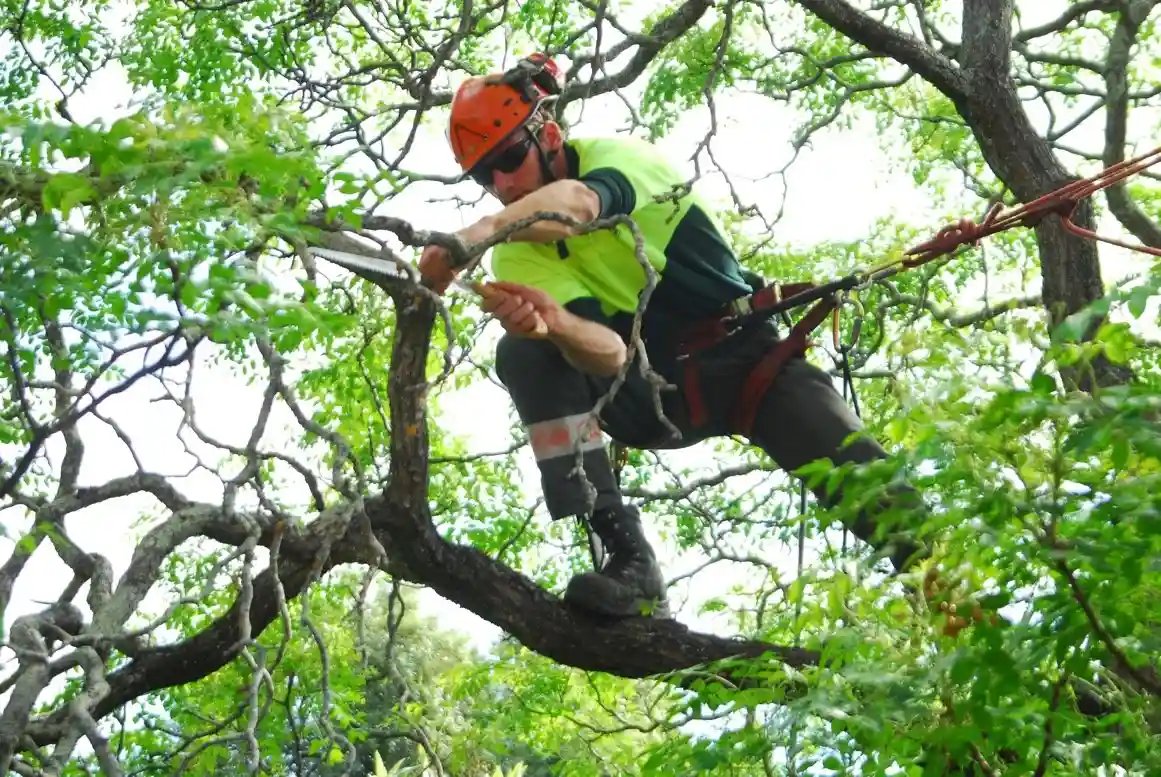
Proper pruning represents the cornerstone of effective tree maintenance, but it’s far more complex than simply cutting off dead branches. Professional pruning involves understanding tree biology, growth patterns, and species-specific requirements to promote healthy development whilst maintaining structural integrity.
The timing of pruning operations can significantly impact tree health. For instance, oak trees should ideally be pruned between November and February to minimise the risk of oak wilt disease, whilst fruit trees benefit from winter pruning to encourage spring growth. Hedge trimming follows similar seasonal considerations, with most species responding best to maintenance during their dormant periods.
Disease Prevention and Management
Trees face numerous disease threats throughout their lives, from fungal infections that target specific species to bacterial problems that can affect multiple tree types. Regular maintenance programmes include disease monitoring and preventive treatments that can stop problems before they take hold.
Root rot, one of the most serious tree diseases, often goes unnoticed until it’s too late. By the time visible symptoms appear in the canopy, the root system may be severely compromised. Regular soil assessment and root zone management can identify conditions that favour root rot development, allowing for corrective measures before permanent damage occurs.
Structural Integrity and Storm Resistance
Hull’s position along the Humber estuary exposes local trees to challenging weather conditions, including strong winds and occasional severe storms. Regular maintenance helps trees develop strong structural foundations that can withstand these environmental stresses.
Young trees benefit enormously from formative pruning that establishes good branch architecture early in their development. By selecting the strongest, best-positioned branches and removing competing leaders, arborists can guide trees towards mature forms that are naturally resistant to wind damage.
Cable and brace systems provide additional support for valuable mature trees that have developed structural weaknesses. These engineered solutions can extend the safe lifespan of significant trees whilst maintaining their aesthetic and ecological value.
When Professional Tree Removal Becomes Necessary
Despite the best maintenance efforts, circumstances sometimes arise where tree removal becomes the safest option. Trees severely damaged by storms, those with advanced decay, or specimens in declining health may pose unacceptable risks to people and property.
Professional arborists can assess whether a tree is a candidate for removal or if less drastic interventions might be successful. This decision-making process considers factors like the tree’s species, age, overall health, location, and the potential consequences of failure.
The Economic Benefits of Preventive Care
Regular tree maintenance represents a sound financial investment that pays dividends over time. Well-maintained trees increase property values, with mature specimens adding thousands of pounds to home valuations. Conversely, neglected trees can become expensive liabilities requiring emergency interventions or costly damage repairs.
Emergency tree work typically costs significantly more than planned maintenance operations. When storms damage unpruned trees, property owners often face urgent situations requiring immediate attention regardless of cost. Regular tree maintenance schedules help avoid these expensive crisis interventions whilst keeping trees healthy and attractive.
Your Trees Deserve Professional Care
The question isn’t whether you can afford regular tree maintenance – it’s whether you can afford to neglect it. Trees are long-term investments in your property’s beauty, value, and environmental health, but they require professional attention to reach their full potential safely.
If you’re in Hull and haven’t had your trees professionally assessed recently, don’t wait for warning signs to appear. Contact a qualified arborist today to schedule a comprehensive tree health evaluation. Your trees – and your peace of mind – will thank you for the investment.
Comments are closed