
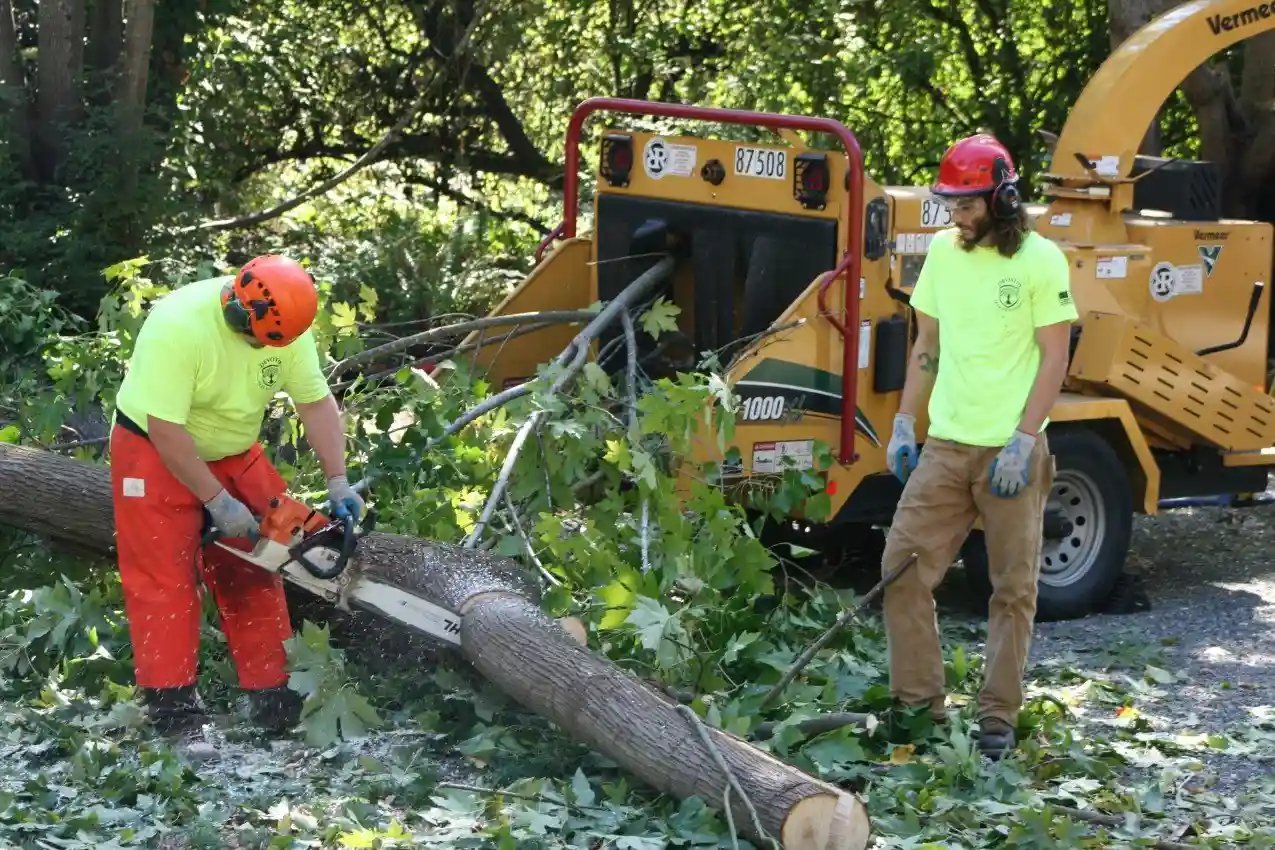
Standing beneath a mature oak or beech tree in Hull’s leafy suburbs, it’s easy to forget how much that single tree contributes to the ecosystem. Trees cool our neighbourhoods, absorb carbon, shelter wildlife and stabilise soil. Yet there are times when a tree must come down: perhaps it’s diseased, dangerously overhanging a property, or simply at the end of its natural life. When removal is unavoidable, understanding the environmental impact of tree removal—and how to reduce it—becomes essential.
Why Tree Removal Affects the Environment
Every tree acts as a living air filter, drawing in carbon dioxide and releasing oxygen. According to the Woodland Trust, a mature tree can absorb up to 22 kg of carbon dioxide each year. Removing even one tree reduces local carbon capture, while the sudden loss of shade can raise ground temperatures and alter nearby plant growth.
Habitat loss is another pressing concern. Birds, insects, bats and small mammals rely on trees for nesting and feeding. Felling a tree without a plan can displace entire micro-ecosystems overnight, leaving wildlife scrambling for alternatives.
In urban settings like Hull, where green spaces are already under pressure, these changes can ripple outward—affecting drainage patterns, increasing noise levels and contributing to urban heat islands.
When Removal Becomes Necessary
Despite the drawbacks, some trees simply can’t stay. Advanced disease, storm damage or root systems undermining foundations can pose safety risks. An experienced arborist can assess whether deadwood removal or targeted tree pruning might resolve the issue before full felling becomes necessary.
Deadwood removal, for example, can eliminate hazardous limbs while preserving the living tree. Regular pruning encourages healthy growth, maintains shape and reduces the chance of falling branches. Only when these measures fail should complete removal be considered.
Mitigation Starts Before the Chainsaw
The best way to limit the environmental impact of tree removal is to plan carefully. In Hull, local councils often require a tree-work application for protected species, ensuring that any decision balances public safety with ecological value.
A professional tree surgeon will evaluate not just the tree itself, but also the timing. Removing a tree outside nesting season (typically March to August) protects birdlife. They’ll also identify whether selective pruning could solve the problem, sparing you the need for a full removal.
Responsible Disposal: From Stump Grinding to Recycling
Once a tree is felled, the work isn’t finished. Leaving a stump to rot can attract pests and create trip hazards. Stump grinding provides an environmentally sound solution, turning the leftover base into mulch or woodchips that can enrich garden beds or be repurposed in landscaping.
Chipped branches can be composted or used as biomass fuel, ensuring that the carbon stored in the wood continues to serve a purpose rather than heading straight to landfill.
Replanting for the Future
Mitigation also means giving back. Planting a new tree—or several smaller native species—helps offset carbon loss and provides fresh habitat. In Hull, local initiatives such as the Humber Forest project supply native saplings and advice on planting to suit your soil and space. Choosing native species like hawthorn or field maple supports local biodiversity and requires less long-term maintenance.
Real-World Example: Hull’s Riverside Renewal
A recent project along Hull’s riverside illustrates how thoughtful planning can work. Several ageing poplars, weakened by years of flooding, had become unstable. Rather than clear-cutting the area, arborists removed only the most dangerous specimens, performed extensive tree pruning on the rest, and replanted with native alder and willow. Today, the walkway boasts healthier greenery and thriving bird populations, proving that necessary removals can be balanced with ecological restoration.
Work with Qualified Professionals
Tree surgery is not a DIY job. Certified arborists bring expertise in environmental impact assessments, wildlife protection and safe removal techniques. Look for companies with recognised qualifications such as NPTC or Arboricultural Association accreditation. They’ll advise on everything from deadwood removal to stump grinding while ensuring compliance with Hull City Council regulations.
Final Thoughts
Tree removal will always leave a footprint, but it doesn’t have to scar the landscape. By considering alternatives like deadwood removal or strategic tree pruning, planning the work carefully, recycling the timber and replanting native species, homeowners can significantly reduce the environmental impact of tree removal.
If you’re facing the difficult decision to remove a tree in Hull, consult a local, certified tree surgeon. With the right guidance, you can protect your property while preserving the natural beauty and biodiversity that make our city greener and healthier.
Comments are closed