
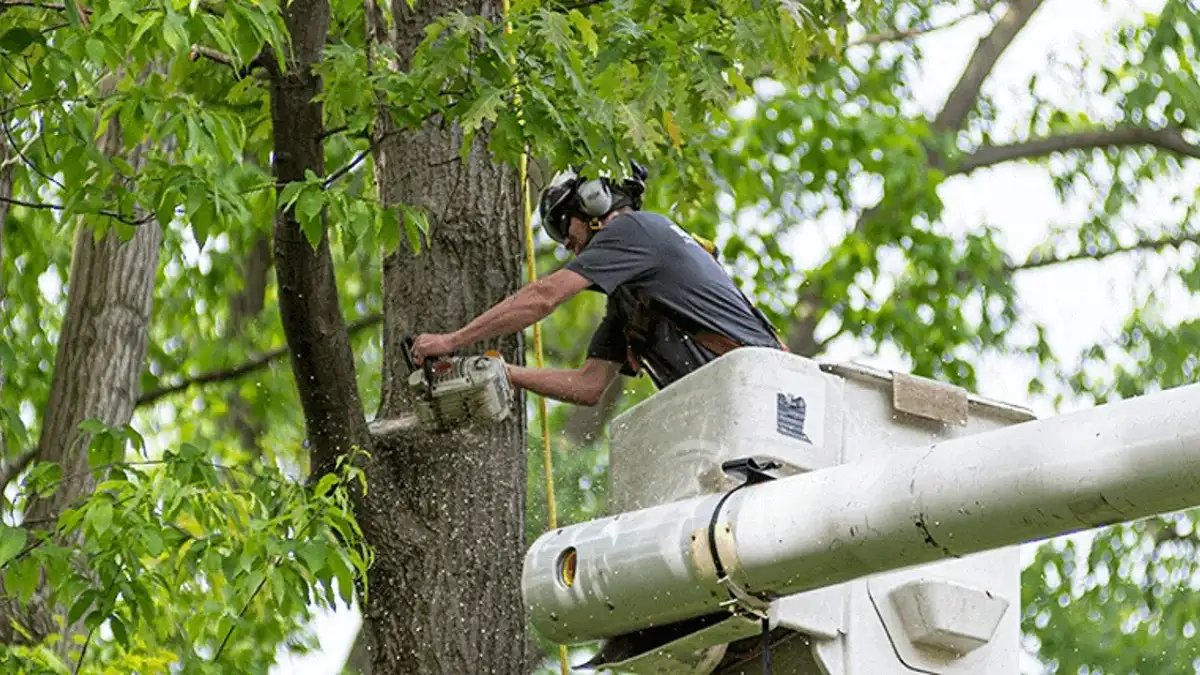
When storms sweep through Hull, falling branches and unstable trees can quickly turn into a dangerous situation. Homeowners often find themselves in urgent need of help—especially when a damaged tree threatens their property, vehicles, or even personal safety. But emergency tree removal isn’t as simple as cutting and clearing; it’s a highly skilled operation that demands strict safety protocols. Understanding these protocols can give you peace of mind and highlight why calling in a professional tree surgeon is always the safest choice.
Why Emergency Tree Removal Is High-Risk
Unlike scheduled pruning or crown lifting, emergency tree removal usually happens under stressful circumstances—often after high winds, flooding, or sudden disease collapse. These conditions make the tree unpredictable. Loose soil, tangled power lines, and unstable branches increase the risk of accidents. In fact, the Health and Safety Executive (HSE) notes that tree work is among the highest-risk activities in the landscaping industry.
This is why reputable tree surgeons in Hull follow strict, regulated safety steps to protect both the public and their team.
Initial Site Assessment: The First Safety Step
The first thing a trained arborist does is assess the site. This isn’t a quick glance—it’s a systematic risk evaluation.
- Is the tree leaning on a structure or entangled with overhead lines?
- Is there loose deadwood that could fall while cutting?
- What escape routes are available in case the tree shifts suddenly?
These checks help create a safe work plan. Professionals often rope off the area, keeping bystanders at a safe distance before any cutting begins.
Personal Protective Equipment (PPE) Is Non-Negotiable
No emergency tree removal should ever begin without full PPE. Tree surgeons typically wear:
- Chainsaw-resistant trousers and boots
- High-visibility jackets
- Safety helmets with visors
- Hearing protection
- Heavy-duty gloves
These aren’t optional extras—they’re life-saving essentials. Even seasoned professionals wouldn’t risk climbing without protective gear.
Specialist Equipment for Safer Removal
Removing an unstable tree safely often requires advanced equipment. A qualified Hull tree surgeon may use:
- Rigging systems to control the direction of falling branches
- Hydraulic lifts for hard-to-reach sections
- Chainsaws with safety brakes
- Wood chippers to clear debris efficiently
If stump grinding is required afterwards, this is carried out with specialist machinery designed to minimise disruption to the surrounding soil.
Controlled Cutting and Step-by-Step Removal
Emergency tree removal isn’t a matter of hacking away at branches. Professionals follow a precise sequence of cuts designed to reduce stress on the tree and control where limbs fall.
For example, large sections may be removed gradually rather than felling the whole tree in one go. This step-by-step approach prevents sudden collapses that could cause property damage or personal injury.
Working Around Utilities and Structures
One of the biggest hazards in emergency removal is when trees interfere with buildings, vehicles, or utility lines. In Hull, it’s not uncommon for fallen trees to block roads or press against fences and roofs.
Here, tree surgeons may need to coordinate with local authorities or utility companies to safely disconnect live wires before proceeding. Attempting this without professional clearance is incredibly risky.
Environmental Considerations in Emergency Work
While safety is the priority, professionals also consider environmental responsibility. Where possible, healthy parts of the tree may be recycled into mulch, logs, or woodchip. If diseased timber is involved, proper disposal methods are followed to prevent spread to other local trees.
Real-Life Example: Emergency Removal in Hull
After a severe windstorm last winter, a large sycamore collapsed across a residential driveway in Hull. The tree leaned precariously onto a garage roof, threatening to crush it completely. The attending tree surgeons first secured the site with barriers, then used rigging ropes to lower branches in a controlled manner. Once the main trunk was stabilised, the tree was cut in sections before the stump grinding team restored the driveway. The garage remained intact, and the homeowner could access their car within hours.
This case highlights how following strict protocols prevents a stressful emergency from becoming a costly disaster.
Safety Doesn’t End Once the Tree Is Removed
Once the tree has been cleared, the site must be double-checked for hazards. Loose branches, sawdust piles, and uneven ground can still cause accidents. Professional teams often offer additional services such as crown lifting nearby trees or recommending routine deadwood removal to prevent future emergencies.
Why DIY Tree Removal Is Never Worth the Risk
It can be tempting to grab a chainsaw and attempt removal yourself, especially in a panic. However, emergency tree work is not only dangerous—it can also be illegal if you damage public property or interfere with protected trees.
DIY approaches lack the structured risk assessments, PPE, and equipment that trained professionals rely on. The financial cost of hiring a tree surgeon in Hull is always less than the potential medical bills or repair costs from a failed DIY attempt.
Final Thoughts: Safety Protocols Protect Everyone
When it comes to safety protocols for emergency tree removal, every step is designed to safeguard lives, property, and the environment. From site assessment and PPE to controlled cutting and final clean-up, these measures ensure that dangerous situations are resolved quickly and responsibly.
If you’re ever faced with a hazardous tree, don’t take risks. Call a qualified local team that understands the specific challenges of Hull’s landscapes.
Call to Action
If you’re dealing with storm damage or need urgent help with a dangerous tree, reach out to a trusted local professional. Reliable Tree Surgeon Hull offers safe, efficient emergency services, including deadwood removal, crown lifting, and stump grinding. Call today for immediate assistance and protect your property with expert care.
Comments are closed