
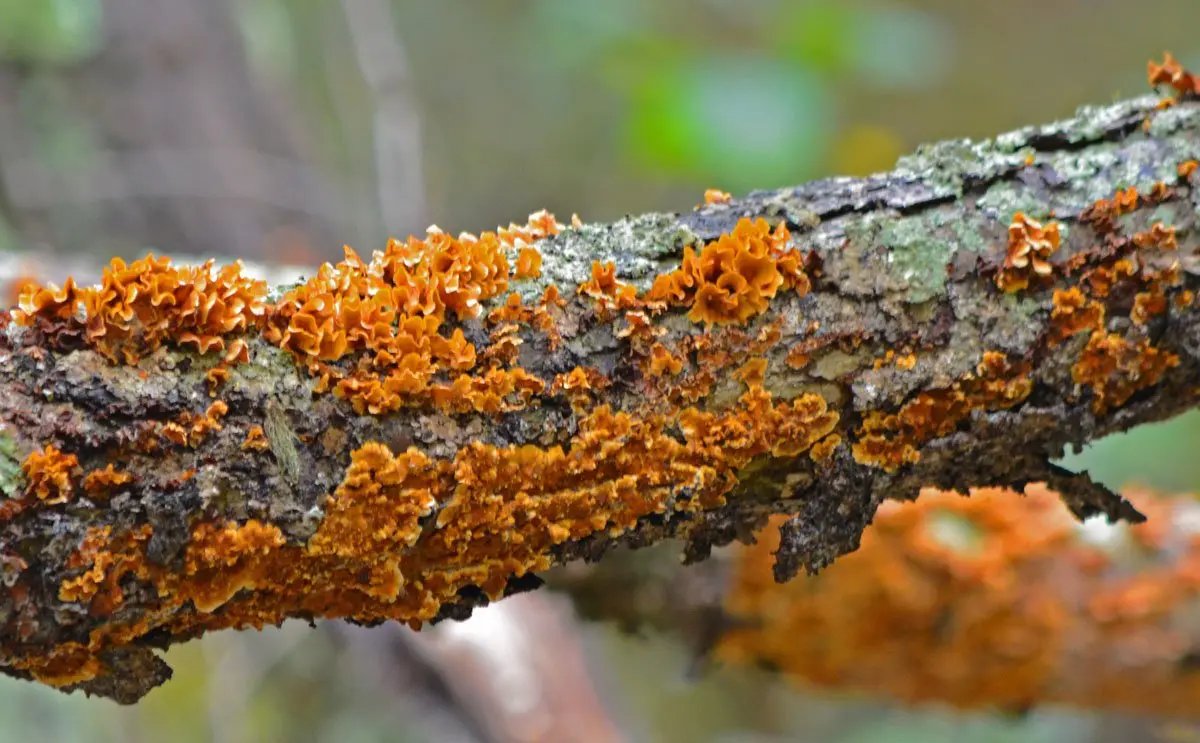
Tree fungus might look harmless at first, a few odd mushrooms at the base of your tree, a patch of discolouration on the bark, or leaves that seem to wilt earlier than usual. But beneath the surface, fungal infections can quietly eat away at a tree’s health, weakening its structure and eventually leading to decay or even collapse.
In Hull, where moisture levels and seasonal rainfall create the perfect breeding ground for fungal growth, homeowners often find themselves facing these issues without realising just how serious they can become. That’s where professional tree surgeons come in, combining skill, safety, and science to restore the health of your trees.
Understanding Tree Fungus: More Than Just Surface Growth
Fungal infections in trees are often caused by spores that settle into damaged bark or exposed roots. Common types in the UK include honey fungus, bracket fungus, and root rot. Each affects trees differently some attack the roots, while others spread internally through the trunk, cutting off vital nutrients.
While DIY solutions may seem tempting, treating tree fungus safely requires professional insight. Tree surgeons are trained to identify the specific fungus type, determine how advanced the infection is, and apply the safest and most effective treatment methods without harming the surrounding environment.
Why You Shouldn’t Ignore Fungal Growth on Trees
Many property owners in Hull overlook the early signs of fungus, assuming it’s a seasonal nuisance. Unfortunately, that delay can cause long-term damage. Fungal infections can:
- Weaken branches, posing a risk to people and property
- Spread to nearby trees or hedges
- Damage roots, reducing stability
- Lead to costly tree removals if left untreated
By calling in a qualified tree surgeon early, you can prevent small infections from turning into major hazards.
The Professional Approach: How Tree Surgeons Safely Treat Tree Fungus
Tree surgeons don’t simply “remove” fungus; they follow a step-by-step safety protocol that protects both the tree and its surroundings.
1. Accurate Diagnosis
The first step is inspection. A certified tree surgeon will assess the affected tree visually and, when needed, use specialist equipment to check internal decay. Knowing whether the issue is honey fungus, Phytophthora root rot, or Armillaria makes all the difference — because each requires a tailored treatment approach.
2. Pruning and Containment
In most cases, infected branches are carefully pruned to stop the spread of spores. Tree surgeons use sterilised equipment to ensure fungus isn’t transferred to healthy areas or neighbouring trees. Proper pruning also encourages new, healthy growth once treatment begins.
3. Soil Health and Root Care
Healthy roots mean stronger trees. Tree surgeons often improve soil aeration, add organic compost, and check for poor drainage — all factors that contribute to fungal growth. In severe cases, soil fungicides may be used, but always in an environmentally responsible way.
4. Stump Removal for Long-Term Prevention
If a tree is beyond saving, stump removal becomes essential. Fungal spores often linger in old stumps, waiting to infect nearby trees. Professional stump grinding eliminates this risk entirely. Leaving the area safe for replanting or landscaping.
5. Follow-Up Maintenance and Monitoring
Tree fungus doesn’t always disappear overnight. Surgeons schedule follow-up inspections to monitor recovery and suggest seasonal maintenance — such as hedge trimming or light pruning — to keep your garden’s ecosystem balanced and healthy.
The Safety Factor: Why Expertise Matters
Treating fungal infections isn’t just about plant care — it’s about safety. Trees affected by internal decay can collapse without warning, especially during Hull’s windy autumn months. Tree surgeons are trained to identify these structural risks and work under strict safety standards.
From harnessed climbing techniques to controlled branch removal, professionals ensure the work is done safely without causing further harm to the property or nearby wildlife.
Real-Life Example: Hull Homeowner’s Tree Saved from Honey Fungus
Take, for instance, a recent case in east Hull. A mature silver birch began showing unusual bark growth and reduced foliage. The homeowner assumed it was seasonal stress, but within months, mushrooms began forming at the base.
A local tree surgery team inspected the tree, identified honey fungus, and quickly isolated the infection. By pruning affected limbs, improving drainage, and applying targeted treatment, the tree made a full recovery — avoiding removal altogether. It’s a perfect example of how early diagnosis and professional care can save both trees and money.
Preventing Tree Fungus: What Homeowners in Hull Can Do
You don’t have to wait for fungus to appear. Preventative care is key. Here are simple steps professionals recommend:
- Avoid overwatering; soggy soil encourages fungal growth.
- Keep an eye out for mushrooms or soft spots at the base.
- Schedule seasonal tree inspections with your local tree surgeon.
- Remove old stumps and decaying roots promptly.
- Trim hedges and overgrown branches to promote airflow.
These small actions, backed by professional help, make a big difference in long-term tree health.
Why Choose a Local Hull Tree Surgeon?
Local experience matters. Hull’s coastal climate and clay-heavy soil make tree fungus management unique. A Hull-based tree surgery specialist understands the common local fungal species and how to treat them effectively.
Plus, hiring local professionals means quicker response times, ongoing maintenance options, and compliance with UK tree-care safety standards.
When to Call a Tree Surgeon
If you notice:
- Mushrooms or unusual growths near roots
- Cracked or oozing bark
- Sudden leaf yellowing or thinning crowns
- A musty, decaying smell from the trunk
It’s time to call your local tree surgery experts before the issue escalates.
Conclusion: Keep Your Trees Safe, Healthy, and Fungus-Free
Tree fungus might start small, but left untreated, it can destroy even the strongest trees. With the help of certified tree surgeons in Hull, you can ensure proper diagnosis, safe treatment, and lasting results. Whether it’s stump removal, hedge trimming, or routine tree surgery, professional care keeps your garden thriving year-round.
FAQs
1. Can I treat tree fungus myself?
While minor infections might seem manageable, most fungi require professional diagnosis and targeted treatment. DIY methods often worsen the problem or spread spores to nearby trees.
2. What causes tree fungus in the first place?
Fungal spores thrive in damp, poorly drained soils and on damaged bark or roots. Hull’s moist climate makes regular inspections important.
3. How often should I have my trees inspected?
A professional inspection once or twice a year helps spot early signs of disease, especially before winter and after heavy rainfall.
4. Is stump removal necessary after treating tree fungus?
Yes, because fungus often remains active in dead stumps. Removing them prevents reinfection and allows healthy regrowth.
5. Do tree surgeons work during winter?
Absolutely. Winter is often an ideal time for pruning and fungus treatment, as trees are dormant and easier to assess.
Comments are closed