
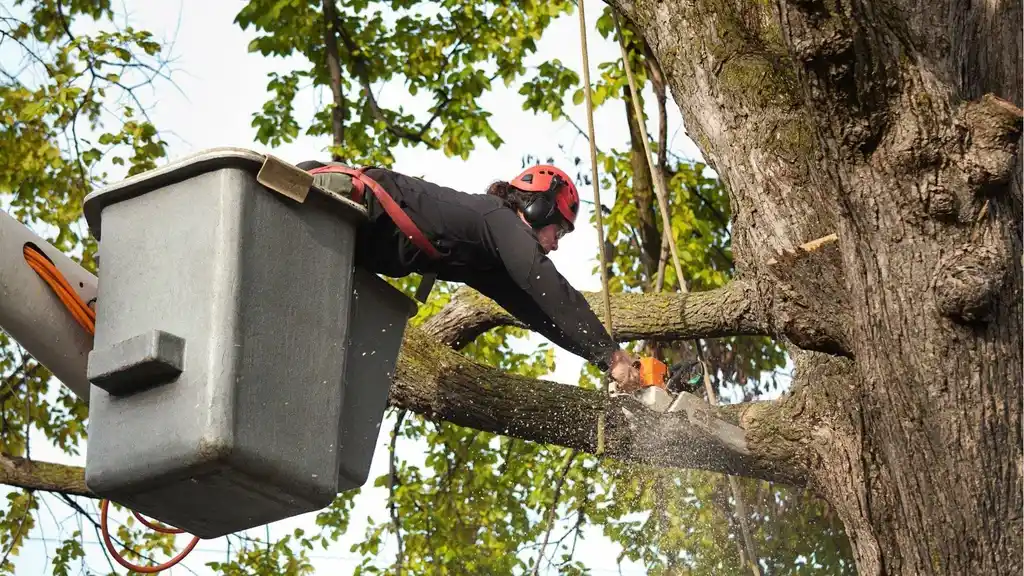
When a tree suddenly falls in your garden after a storm or a large branch cracks dangerously close to your property, every second counts. Homeowners across Hull and the wider UK often underestimate just how unpredictable trees can be, until an emergency happens. Emergency tree surgery isn’t just about cleaning up fallen timber; it’s about protecting lives, property, and the environment.
In this post, we’ll explore the real-life situations that call for emergency tree surgery, how professionals handle them, and why acting fast makes all the difference.
Understanding What Emergency Tree Surgery Means
Emergency tree surgery involves urgent intervention by qualified arborists to deal with trees that pose immediate safety risks. Unlike routine tree care or hedge trimming, this work is reactive responding to storms, structural weaknesses, or disease outbreaks.
Professional tree surgeons in Hull are often called out during the night or after severe weather to remove hazardous branches, stabilise leaning trees, or carry out stump removal after a collapse. They work under strict safety regulations, often coordinating with local authorities or homeowners’ insurers to manage risk effectively.
1. Storm Damage and High Winds
Severe winds are one of the most common causes of tree emergencies in the UK. Storms can cause large limbs to snap or entire trees to uproot, especially when the ground is saturated. A fallen or leaning tree can block roads, damage roofs, or take down power lines all of which require immediate attention.
In Hull, coastal winds can be particularly strong during autumn and winter. Emergency tree surgeons respond quickly, using cranes and rigging systems to remove dangerous branches without worsening the damage. In many cases, they also provide stump removal to ensure the area is safe and clear once the debris has been taken away.
2. Trees Threatening Property or Power Lines
A tree leaning too close to a house or garage may seem harmless at first, but even a small shift in soil or root structure can make it unstable. If the tree is already cracked, hollow, or leaning towards a structure, it’s time to call an expert before a collapse happens.
Electricity lines are another major concern. Tree branches making contact with power lines not only cause blackouts but can spark dangerous fires. Professional tree surgeons are trained to handle these high-risk situations using specialised tools and safety harnesses to prevent further hazards.
3. Disease and Structural Weakness
Not all emergencies are caused by storms. Sometimes, the danger grows silently. Diseases like ash dieback, Dutch elm disease, and root rot can weaken a tree’s internal structure, making it prone to breaking without warning.
In these cases, emergency tree surgery may involve pruning unstable limbs, complete tree removal services, or even controlled dismantling if the decay has spread too far. Regular inspections help detect early warning signs, but once instability is clear, swift action is essential to prevent injury or costly property damage.
4. Fallen Trees Blocking Driveways or Public Access
A fallen tree across your driveway or blocking access to public paths is not only inconvenient — it can be a liability if someone gets hurt. In such cases, emergency tree surgeons work to clear the obstruction safely and quickly, ensuring that vehicles and pedestrians can pass freely again.
For business owners, this can be critical. Shops, car parks, and public venues in Hull rely on professional tree removal services to restore access and maintain safety for customers and staff.
5. Trees Posing Immediate Danger After Construction Work
Excavations, soil compaction, or nearby building work can destabilise a tree’s root system. If you’ve noticed a tree tilting after recent construction, it could be a sign that its roots were damaged or undercut. These cases often require emergency intervention before the tree collapses unexpectedly.
Tree surgeons can assess the structural stability of the tree, use bracing systems if possible, or safely dismantle it if the risk is too great.
6. Emergency Hedge and Boundary Hazards
Though less common, large overgrown hedges can also create emergencies particularly when they collapse onto fences, footpaths, or driveways. Hedge trimming professionals are often called in alongside arborists to reshape or remove unstable sections and restore safety to boundary lines.
This type of emergency is especially frequent during wet winters in Hull, where heavy rain weakens root systems and increases the risk of hedge collapse.
What to Do if You Need Emergency Tree Surgery in Hull
If you suspect a tree on your property is unsafe, your first step should be to keep people and pets away from the area. Don’t try to cut branches yourself especially if the tree is near electrical cables or leaning precariously.
Next, call a qualified emergency tree surgeon. Local professionals have the right equipment, insurance, and training to assess the situation safely. They can also liaise with local councils or utility providers if public safety is at risk.
After emergency removal, follow-up services like stump removal or replanting may be advised to restore your landscape and reduce future hazards.
Real-World Example: Hull Storm Clean-Up
During the winter storms of 2023, several mature trees in Hull’s East Park area were brought down overnight. Local emergency tree surgery teams worked through the night to clear blocked roads and pathways. In one case, a large beech tree had fallen across a homeowner’s driveway, trapping two vehicles.
The team assessed the tree’s stability, dismantled it in sections, and completed stump grinding the following day. Thanks to fast action, no one was injured, and the property was secured before further damage occurred.
How to Prevent Future Emergencies
While not all tree emergencies can be avoided, regular maintenance goes a long way in reducing the risk. Schedule seasonal inspections, especially after strong winds or heavy rainfall. Regular pruning and hedge trimming can help trees maintain healthy weight distribution, while stump removal prevents new shoots or fungal decay from causing instability.
Final Thoughts
Trees bring life and beauty to our surroundings, but when they become unstable, fast professional action is vital. Whether it’s storm damage, decay, or structural imbalance, emergency tree surgery ensures safety and peace of mind for homeowners and businesses alike.
If you’re in Hull and facing a tree emergency, don’t wait until it’s too late. Call your local tree removal specialists to handle the problem safely and restore your property with care and expertise.
Frequently Asked Questions (FAQs)
1. What qualifies as an emergency tree situation?
Any tree that poses an immediate risk to people, property, or public access is considered an emergency. This includes trees damaged by storms, leaning towards buildings, or showing signs of collapse.
2. Who should I call for emergency tree surgery in Hull?
Always contact a qualified tree surgeon or arborist with emergency response experience. They have the tools, insurance, and training to handle urgent cases safely and efficiently.
3. Can I remove a fallen tree myself?
It’s not recommended. Fallen trees can be unstable and under tension, which makes cutting them dangerous. Always hire a professional to ensure safe removal without causing more damage.
4. How much does emergency tree surgery cost in the UK?
Costs vary depending on the size, location, and urgency of the job. However, emergency call-outs typically cost more than standard tree surgery because of the speed and safety requirements involved.
5. How can I prevent needing emergency tree surgery?
Regular maintenance such as pruning, hedge trimming, and stump removal reduces the risk of trees becoming unstable. Schedule inspections with a professional tree surgeon at least once a year.
Comments are closed