
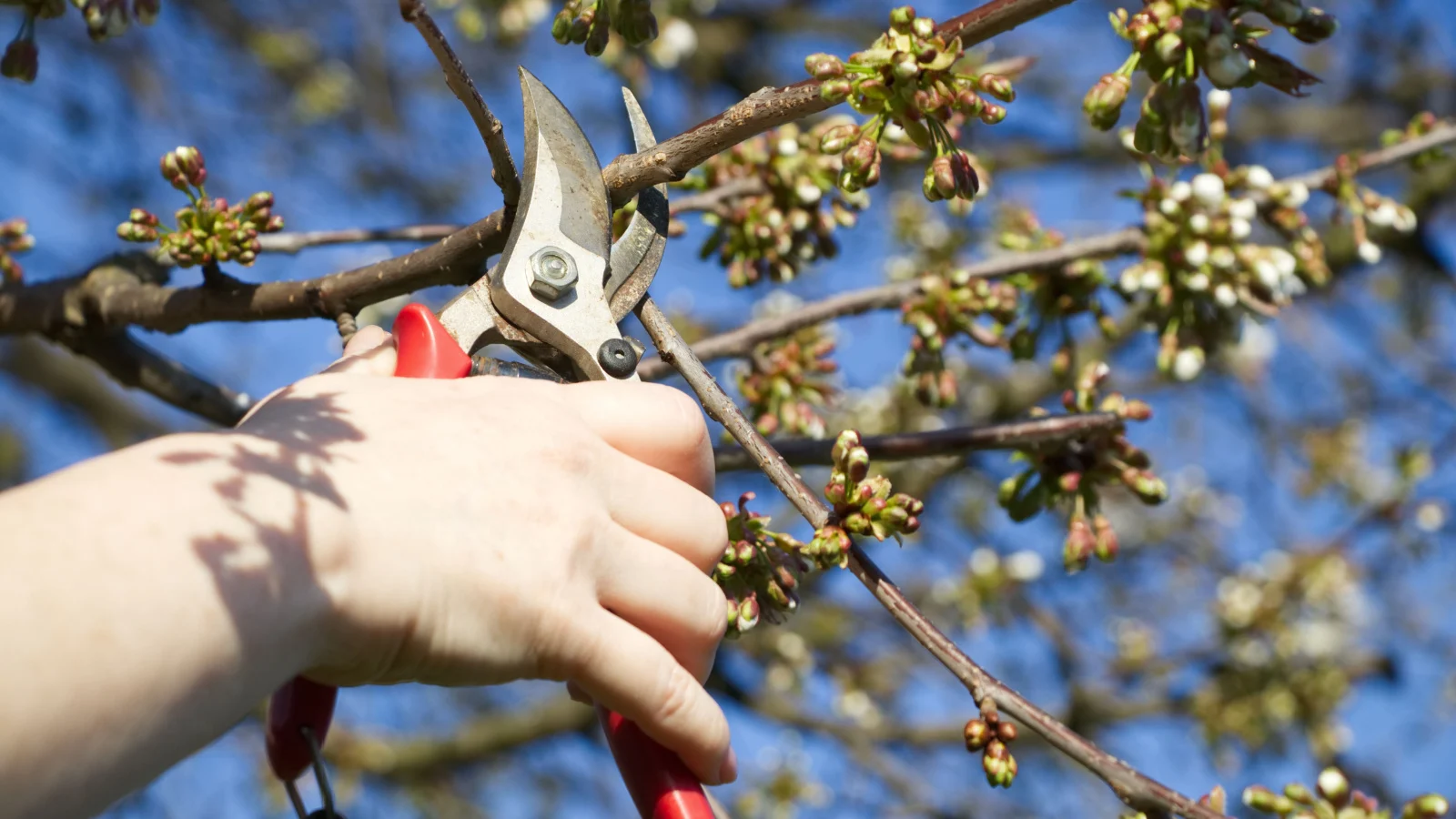
If you’ve ever admired a neatly shaped oak or a perfectly balanced apple tree, you know that professional pruning makes all the difference. Yet, many homeowners in Hull wonder when exactly is the right time to prune trees in the UK? Pruning at the wrong time can lead to poor growth, disease, or even long-term damage. Let’s uncover the science, seasons, and strategies behind proper tree care and why timing truly matters.
Understanding Tree Pruning: Why Timing Matters
Tree pruning isn’t just about keeping your garden tidy; it’s a crucial part of tree surgery that promotes healthy growth, prevents hazards, and extends the lifespan of your trees. When carried out at the right time of year, pruning encourages new shoots, improves air circulation, and enhances fruit production for fruit-bearing species.
Professional tree surgeons in Hull often say that “a well-timed cut is better than a thousand late ones.” This reflects the fact that pruning too early or too late in the season can expose your trees to stress, pests, and decay issues that may require further stump removal or emergency attention later on.
Winter: The Ideal Season for Most Tree Pruning
In most parts of the UK, including Hull, winter (from late November to early March) is the best time to prune trees. During this dormant season, the tree’s energy flow slows down, making it less vulnerable to stress and sap loss. Without dense foliage, tree surgeons can easily assess branch structure and make precise cuts.
Benefits of Winter Pruning
- Encourages stronger regrowth in spring
- Reduces the risk of pest infestations
- Minimises sap bleeding, which is common in certain species such as birch or maple
- Enhances visibility for safe and effective cuts
For example, many local tree surgery specialists in Hull schedule their large pruning projects — especially for oaks, ashes, and sycamores in the colder months to avoid disrupting the tree’s active growing phase.
Spring: Proceed with Caution
Spring pruning can be tricky. As buds begin to open and sap rises, cutting into live wood can cause excessive bleeding and stress. However, for some species that flower in late spring or early summer, light trimming just after blooming can help maintain shape without interrupting the next flowering cycle.
If you have flowering trees such as cherry or magnolia, the best time to prune them is immediately after they bloom. This ensures you don’t accidentally remove next year’s flower buds — a common mistake homeowners make when attempting DIY pruning instead of seeking professional tree surgery services.
Summer: Best for Light Maintenance and Hedge Trimming
When summer arrives, trees are in full growth mode. This is the ideal period for light maintenance, hedge trimming, and removing dead or diseased branches. Summer pruning helps improve air circulation, reduce shade where needed, and keep overgrown canopies in check.
For example, in residential areas of Hull, many homeowners call tree care experts in mid-summer to tidy up garden trees and maintain neat hedgerows. This type of upkeep not only enhances your property’s appearance but also supports better sunlight access for lawns and flower beds.
Autumn: Prepare for Dormancy
Autumn pruning requires a careful touch. While it’s tempting to tidy everything up before winter, aggressive cutting during this season can stimulate new growth that won’t harden before frost arrives. Instead, use autumn to:
- Remove any deadwood or crossing branches
- Clear storm-damaged limbs
- Prepare trees for winter dormancy
Tree surgeons in Hull often recommend minimal pruning at this time, focusing instead on stump removal or emergency work following autumn storms.
Tree Species and Their Ideal Pruning Windows
Different trees respond best to pruning at specific times of year. Here’s how some common UK species behave:
- Apple & Pear Trees: Best pruned in late winter to promote fruiting.
- Oak & Ash Trees: Prefer pruning between November and February.
- Cherry & Magnolia Trees: Should be trimmed in early summer, right after flowering.
- Conifers: Require only light pruning in late spring or early summer to maintain shape.
- Willow Trees: Can be pruned in late winter before new shoots appear.
If you’re unsure about your specific tree type, always consult a qualified tree surgeon in Hull to prevent irreversible damage.
Why Professional Tree Surgery Makes the Difference
While pruning might seem like a simple garden task, it requires experience, the right tools, and an understanding of tree biology. Professionals know how to make precise cuts that guide healthy growth and prevent decay.
Certified tree surgery experts in Hull also follow strict safety measures when working at height or near power lines something DIY pruning often overlooks. Moreover, they can handle stump removal and hedge trimming in the same visit, providing a complete garden care solution.
Common Mistakes to Avoid When Pruning Trees
Even with the best intentions, many homeowners unintentionally harm their trees. Some common errors include:
- Pruning during the wrong season, especially early spring
- Cutting too close to the trunk, leaving wounds open to infection
- Over-trimming, which disrupts the tree’s natural shape
- Ignoring diseased or dying branches
Avoiding these mistakes helps protect your investment in your landscape and keeps your garden safe and attractive year-round.
Tree Care in Hull: Tailored to the Local Climate
Hull’s coastal climate with its cool winters and humid summers — requires a balanced approach to tree maintenance. The combination of moisture and wind can accelerate moss and fungus growth, particularly on older trees. That’s why regular inspections, pruning, and stump removal are essential to maintain both safety and aesthetics.
Local experts understand how to adapt pruning schedules around weather conditions, ensuring optimal results and minimal stress to your trees.
When to Call in the Experts
If you notice signs such as dead branches, unbalanced canopies, or trees leaning dangerously close to structures, it’s time to contact a professional. Qualified tree surgeons in Hull offer detailed assessments, safe pruning, and after-care advice to keep your garden thriving.
Regular maintenance including hedge trimming and stump removal helps prevent small issues from turning into costly problems later on.
Final Thoughts: Timing Is Everything
Knowing the best time to prune trees in the UK can transform the health and beauty of your landscape. While winter remains the preferred season for most species, each tree has its own rhythm and requirements. By working with experienced tree surgery professionals in Hull, you’ll ensure your trees stay safe, strong, and stunning throughout the year.
✅ Call to Action
Ready to give your garden a professional touch?
Contact your trusted tree surgery team in Hull today for expert pruning, stump removal, and hedge trimming services that keep your outdoor space in perfect shape season after season.
Frequently Asked Questions (FAQs)
1. Can I prune my trees in summer?
Yes, but only for light maintenance. Avoid heavy pruning during hot weather as it can stress your trees.
2. Is winter pruning suitable for all tree species?
Most deciduous trees benefit from winter pruning, but species like cherry and magnolia should be pruned after flowering.
3. How often should I hire a tree surgeon in Hull?
An annual inspection is recommended to assess health, growth, and potential safety hazards.
4. Can pruning help with pest control?
Absolutely. Removing weak or infected branches reduces hiding spots for pests and improves airflow.
5. What happens if I prune too much?
Over-pruning weakens the tree and delays recovery. Always consult a professional before making major cuts.
Comments are closed