
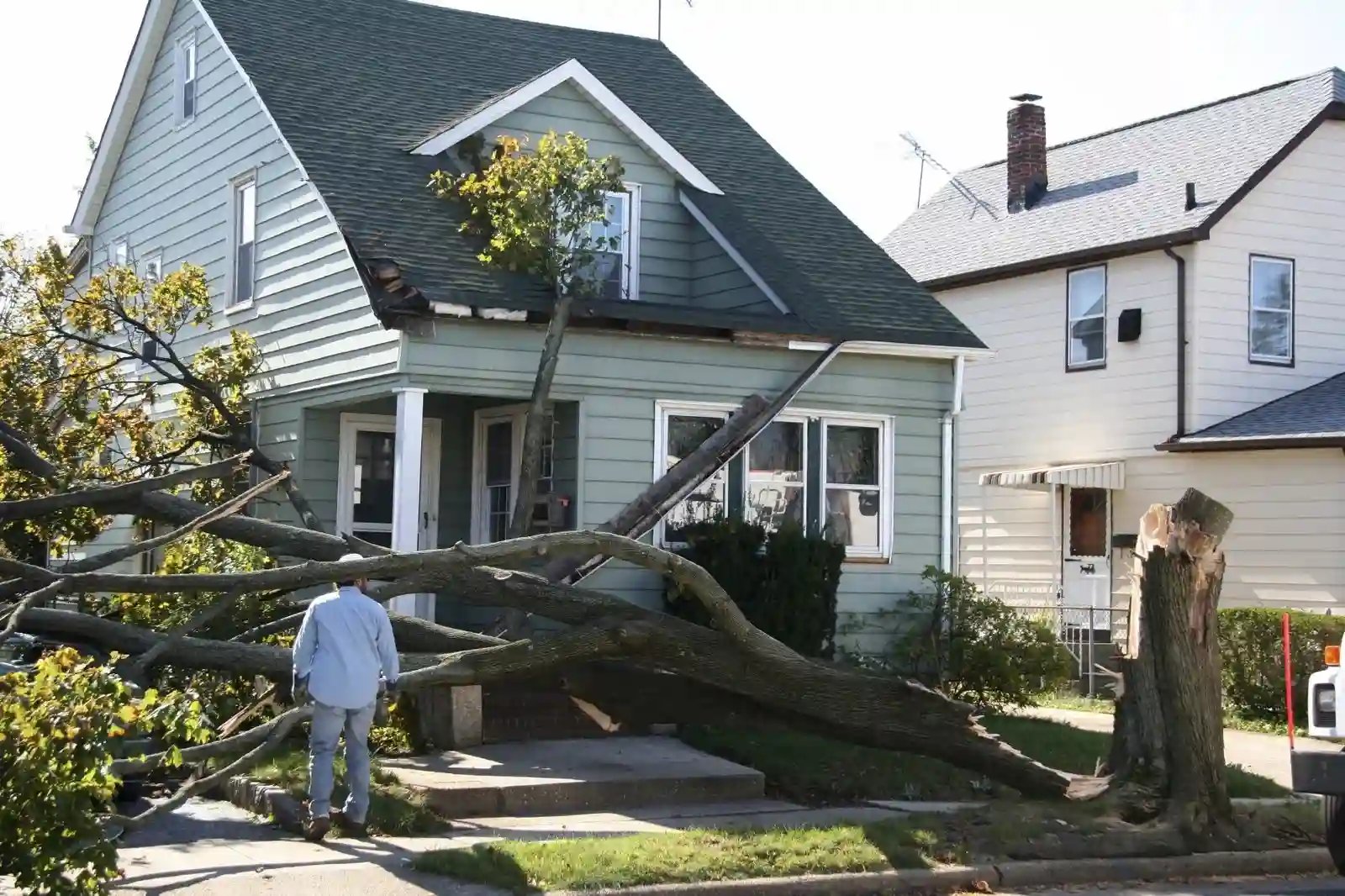
When a tree is showing signs of damage or distress, it can be difficult to know just how urgent the situation is. From fallen branches to leaning trunks, emergency tree issues can pose a serious risk to your property, your safety, and the surrounding environment. Whether you live in a busy area or on a quiet plot in the countryside, you never know when a tree might need immediate attention. Understanding how quickly these issues should be handled and the potential consequences of inaction is key to protecting your home and garden.
The Importance of Addressing Emergency Tree Issues Promptly
Trees are beautiful and vital parts of our landscape, but they can also be unpredictable. When a tree begins to show signs of distress, it’s important to act quickly. Trees can cause significant damage if left unchecked, particularly during storms, high winds, or after periods of drought.
Imagine coming home after a storm only to find a large branch hanging precariously over your driveway or a tree leaning dangerously towards your house. Not only could this lead to serious damage, but there is also the risk of injury to you or your family members. Emergency tree issues must be handled promptly to avoid these potential dangers.
Common Emergency Tree Issues
There are several types of emergency tree issues that may require immediate attention. These can range from minor repairs to full-scale tree removals. Some of the most common issues include:
- Fallen Branches: Often caused by storms or strong winds, fallen branches can block pathways, damage property, or even pose a risk to pedestrians and vehicles.
- Leaning Trees: A tree that starts leaning suddenly could be a sign of root rot, storm damage, or an underlying structural problem. Left unaddressed, a leaning tree could fall and cause significant damage.
- Deadwood: Dead or decaying branches pose an immediate risk, especially in high winds. These branches can snap without warning, causing harm to people or property.
- Crown Lifting Issues: If lower branches are interfering with traffic or pedestrians, crown lifting (removing lower branches) may be required to prevent accidents.
Why Quick Action Is Crucial
When it comes to emergency tree issues, time is of the essence. If you delay addressing the problem, you risk exacerbating the situation. A tree that is already damaged could suffer further harm, and the longer the issue is left unresolved, the more dangerous it becomes.
Consider a tree with deadwood hanging above your house. If a storm is approaching, that branch could fall at any moment. Without immediate intervention, the damage could extend beyond the branch itself, causing damage to your roof, windows, or even a parked car below. Similarly, a leaning tree in your garden could fall during high winds, risking injury or significant damage to surrounding buildings.
In addition to the physical risks, delaying treatment can also affect the overall health of your tree. For instance, if a tree is infected or rotting, allowing it to continue deteriorating could make it more difficult and expensive to remove later. Early intervention allows for more manageable solutions, like deadwood removal or crown lifting, before the situation escalates.
Steps to Take When Facing Emergency Tree Issues
When you spot an emergency tree issue, the first thing to do is assess the situation carefully. If you can safely do so, try to evaluate the level of risk and whether the tree is posing an immediate danger to people or property. However, don’t attempt to resolve the issue yourself unless you’re a qualified professional. Tree surgery is a skilled trade, and trying to fix the problem without the right expertise and equipment can make things worse.
Here are some steps you should consider:
- Contact a Professional Tree Surgeon: In Hull, experienced tree surgeons are trained to handle emergency situations efficiently. Whether you need deadwood removal, a complete tree removal, or simply want to address a leaning tree, a professional will assess the situation and determine the best course of action.
- Secure the Area: If you notice a tree problem but can’t get professional help immediately, try to secure the area as best as you can. Keep people, pets, and vehicles away from the tree and inform neighbours of the situation if necessary.
- Prepare for Emergency Services: When you call a tree surgeon, they will usually provide you with a rough estimate of the time it will take for them to assess and resolve the issue. Tree surgeons in Hull can often respond quickly, especially in emergency situations.
How Professionals Handle Emergency Tree Issues
Once the tree surgeon arrives, they will quickly assess the condition of the tree and decide the best way to proceed. If the tree is posing a major risk, they may remove dangerous branches or even carry out a full tree removal.
For issues like deadwood removal or crown lifting, they will carefully prune the tree to ensure it remains healthy and structurally sound. In some cases, if a tree is too far gone, the tree surgeon will recommend full removal to prevent future hazards. Throughout the process, the tree surgeon will follow safety protocols to ensure no further damage occurs to your property.
Real-Life Example: A Hull Homeowner’s Experience
Consider the case of Sarah, a homeowner in Hull who recently experienced a storm. After the storm, she noticed a large branch from an oak tree in her garden had fallen close to her house. The branch had been weakened by disease, and the heavy winds had caused it to break off. Sarah immediately contacted a local tree surgeon, who came out the same day to assess the situation.
The tree surgeon confirmed that the branch was deadwood and posed a significant risk to her home, especially with more storms forecasted. Within hours, the tree surgeon had safely removed the branch, preventing any further damage. Sarah was relieved and impressed by how quickly the problem was addressed, and she was able to return to her daily routine without worrying about the tree.
Conclusion
When it comes to emergency tree issues, the quicker you act, the safer you and your property will be. Whether you need deadwood removal, crown lifting, or tree removal, enlisting the help of professional tree surgeons in Hull ensures the problem is resolved efficiently and safely. Delaying tree care could lead to more significant damage, higher costs, and increased risk to people and property. Don’t wait until it’s too late – contact a professional tree surgeon today to ensure your trees are safe and healthy.
Call to Action: If you’re dealing with an emergency tree issue in Hull, don’t wait! Contact us today to speak to an experienced tree surgeon who can resolve the problem quickly and safely.
Comments are closed