
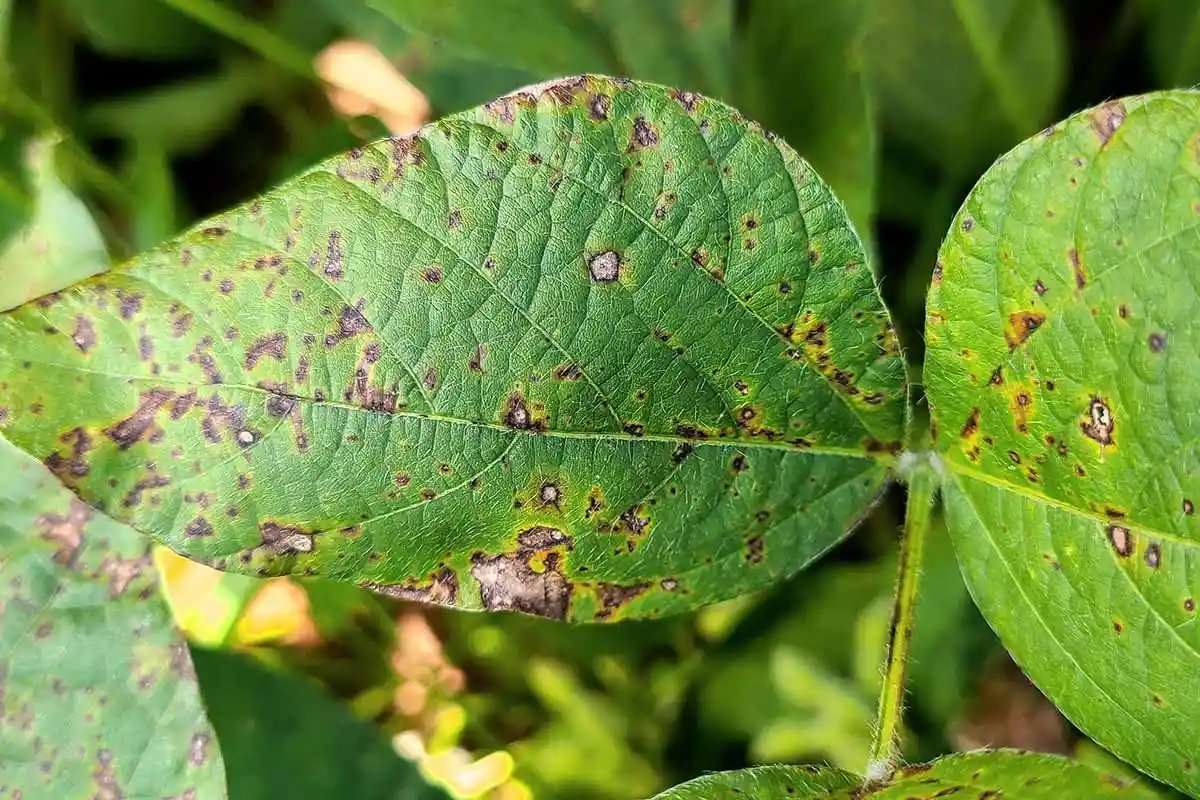
Most homeowners in Hull enjoy the shade, character and life that trees bring to their gardens. But when something doesn’t look quite right, it can be worrying. A patch of discoloured bark, drooping leaves in the middle of summer, or a branch that looks unusually dry. Tree diseases in your garden often start subtly, and many people don’t realise how quickly they can spread until the damage is already done.
If you’ve noticed signs of decline, this is the moment to act. Understanding the steps you should take can prevent the problem from getting worse and help protect the health of every tree on your property. With the right approach, you can stop disease early, avoid unnecessary tree removal, and keep your outdoor space thriving.
Understanding the Early Warning Signs
Before you take action, it helps to know what you’re dealing with. Many tree diseases in your garden show themselves through small changes in appearance or behaviour. You might see leaves turning brown long before autumn, fungal growth at the base of the trunk, or dead branches appearing in the middle of a healthy canopy. These aren’t problems to brush aside.
Trees compensate for illness for a long time, so when symptoms become visible, the disease is often already advanced. Acting early gives you a better chance of saving the tree and protecting the surrounding area. In Hull, where changing weather conditions can place strain on many tree species, spotting symptoms quickly is even more crucial.
Assessing the Severity of the Problem
Once you notice something unusual, try to get a clearer idea of how serious it is. You don’t need specialist knowledge to take an initial look, but you should avoid making assumptions. Walk around the tree and look at it from several angles. See whether the damage is confined to one area or affecting the entire structure. Light discolouration or minor leaf spots might be easy to treat, but large patches of dead bark or significant dieback usually indicate deeper issues.
This is where professional insight becomes invaluable. A tree surgeon not only understands the visible signs but also what’s happening beneath the surface. Early diagnosis can often mean the difference between simple treatment and full tree surgery.
Contacting a Professional Tree Surgeon in Hull
The safest and most effective step you can take is to speak to a qualified tree surgeon. Tree health is far more complex than it appears, and diseases can spread quickly if not handled correctly. An expert will assess the condition of your tree, identify the disease, and recommend the right course of action.
Local specialists understand the common diseases affecting Hull and the surrounding areas. From fungal infections to bacterial issues and pests, they have the knowledge to diagnose the problem accurately. More importantly, they can create a safe and effective treatment plan tailored to the specific tree species in your garden.
Treating Tree Diseases Before They Spread
Once the cause has been identified, treatment usually begins straight away. Depending on the condition of your tree, this may involve pruning infected branches, applying treatments, or removing affected areas. In many situations, deadwood removal is essential. Removing decayed or diseased wood prevents the infection from travelling further and reduces the risk of falling branches.
If large sections of the tree are affected, more extensive tree surgery may be needed. This could include crown thinning to improve airflow, cutting back infected limbs, or reshaping the tree to help it recover. Your tree surgeon will explain the best options and how each step helps protect the long-term health of the tree.
When Tree Removal Becomes Necessary
No one wants to lose a mature tree, especially one that’s been part of the garden for decades. But sometimes tree removal is the safest and most responsible choice. Diseases such as ash dieback or severe fungal infections can weaken the structure so much that the tree becomes dangerous.
In Hull, where houses often sit close to one another, a diseased tree that’s left untreated can cause significant property damage in a single storm. A professional will only recommend removal if recovery isn’t possible or if the tree poses an immediate risk. When removal is advised, it’s carried out with care to ensure safety and minimal disruption to the rest of your garden.
A Real Case from a Hull Homeowner
Not long ago, a homeowner in Hull noticed a cluster of fungi growing at the base of his cherry tree. At first he thought it was harmless, but over the next few weeks the leaves began yellowing, and a noticeable lean developed. He contacted a local tree surgeon who confirmed that the tree was suffering from root rot, something that often progresses silently underground.
The tree surgeon carried out urgent deadwood removal and inspected the surrounding soil. Unfortunately, the damage had already weakened the structure beyond repair, and removal was the safest option. Had he called a few weeks earlier, treatment might have been possible. The experience highlighted the importance of quick action and expert advice when dealing with tree diseases in your garden.
Preventing Tree Diseases in the Future
Once you’ve dealt with the immediate issue, it’s worth taking steps to protect your trees long-term. Regular inspections help spot problems early, and routine maintenance like pruning and deadwood clearance promotes healthier growth. Good soil management, proper watering and ensuring your trees have enough space also reduce the risk of disease taking hold.
A Hull tree surgeon can advise you on the specific needs of your trees and recommend a maintenance plan that suits your garden. Prevention is always easier and more cost-effective than cure.
Frequently Asked Questions
What are the most common tree diseases in UK gardens?
Many gardens in Hull face issues such as honey fungus, ash dieback, powdery mildew, canker and root rot. Each disease requires a different treatment approach, which is why professional diagnosis is so important.
Can I treat tree diseases myself?
Minor issues such as small leaf spots can sometimes be managed with simple care, but most tree diseases should be assessed by a professional. Incorrect treatment can worsen the problem and spread the disease further.
How do I know if a diseased tree needs removal?
A tree generally needs removing if the disease has compromised its stability or if the infection is too advanced to treat. A tree surgeon will assess the condition and explain whether removal or treatment is the safest option.
Is deadwood always a sign of disease?
Not always. Trees naturally shed branches as they age, but extensive deadwood is often a sign of disease or structural decline. Removing it improves safety and helps the tree stay healthy.
Final Thoughts
Spotting tree diseases in your garden can be unsettling, especially when you’re unsure how serious the issue is. Acting quickly is always the right move. With expert guidance, timely treatment and preventative care, many trees can be saved before the problem gets out of hand.
If you’re in Hull and you’ve noticed something unusual with your trees, now is the time to take action. Early intervention can protect your garden, your home and your peace of mind.
Comments are closed