
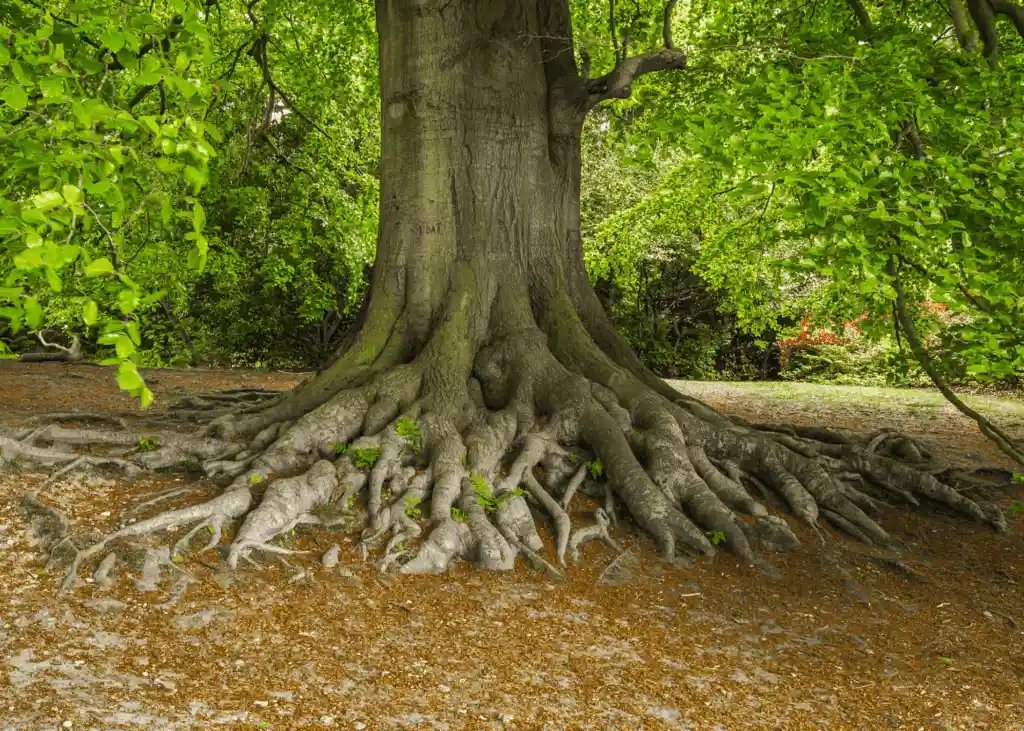
Most homeowners only start thinking about their trees when something above ground changes. A branch snaps in a storm, leaves thin out, or the crown looks uneven. But in many cases, the real story is happening below the surface. Tree root health is one of the most important parts of keeping a tree stable, nourished and safe, yet it’s also the part people understand the least.
Tree surgeons in Hull deal with root problems far more often than you might expect. From compacted soil in older gardens to root damage caused by driveways or new extensions, they see the hidden issues that eventually lead to tree removal if they aren’t handled early.
Why Tree Root Health Matters More Than You Realise
Healthy roots keep a tree anchored, hydrated and fed. When roots begin to fail, the symptoms often show up slowly at first. Leaves become smaller, the crown looks thinner and growth slows down. In Hull, where heavy clay soils and frequent rainfall can make drainage inconsistent, root-related problems are particularly common.
Tree surgeons often describe roots as the lifeline of the tree. If they’re damaged, compacted or diseased, the rest of the tree eventually suffers. In extreme cases, it can become unstable, creating a risk to nearby homes, paths and vehicles. That’s when tree surgery becomes essential, not just for the tree’s health but also for safety.
How Tree Surgeons Assess Root Problems
Tree surgeons rarely start with digging. Instead, they look for what the tree is showing them. Subtle changes above ground often give away the condition of the roots.
In Hull, one tree surgeon shared how he spotted root decay on a mature birch simply by noticing the change in canopy density. The homeowner had assumed it was normal seasonal behaviour, but the reduced leaf growth pointed to a deeper issue. After a closer inspection, early root rot was found, and timely management saved the tree from removal.
Tree surgeons use a blend of expert observation and modern tools to diagnose root health. They may assess soil compaction, look for fungal growth around the base and monitor how the crown reacts through the seasons. In some cases, they may use more advanced methods such as air spades or root mapping to identify what’s happening underground without harming the tree.
Managing Soil Compaction and Poor Drainage
Soil compaction is one of the biggest threats to tree root health, especially in built-up areas of Hull where gardens often double as parking spaces or footpaths. When soil becomes compacted, oxygen can’t reach the roots and water struggles to drain properly.
Tree surgeons typically manage compaction through aeration. Using specialised tools, they create space in the soil to allow air and moisture back into the root zone. In some cases, organic matter is added to improve structure. This simple intervention can dramatically improve root vitality, especially in species like oaks and maples that struggle with compacted ground.
How Tree Surgeons Protect Roots During Construction
One of the most common causes of root damage is building work. Whether it’s a new driveway, patio or extension, the risk to tree roots is often underestimated. What looks like a harmless trench for cables or foundations can easily sever major supporting roots.
Tree surgeons use protective root zones to keep machinery and builders away from sensitive areas. These zones are usually marked with temporary fencing and clear guidance for contractors. They may also recommend alternative construction methods, such as raised surfaces, to avoid disturbing the root network.
In several Hull neighbourhoods, tree surgeons have prevented unnecessary tree removal by stepping in early during planning stages. By advising on digging depth and safe working distances, they’ve been able to protect mature trees that would otherwise have been at risk.
Treating Root Rot and Other Diseases
Root rot is a serious and often silent killer. It’s caused by fungi that thrive in damp conditions and slowly break down the root tissue. Early signs include leaf discolouration, dieback and poor growth.
Tree surgeons start by identifying the type of fungal infection. They may then remove affected roots, improve drainage or adjust soil conditions to limit the spread. In cases where the disease is too advanced, tree removal becomes the safest option. This is always a last resort, but when a tree becomes unstable, it’s the only responsible action.
The Role of Crown Lifting in Supporting Root Health
Although crown lifting focuses on the upper parts of the tree, it often plays a key role in preserving root health. When too much weight is placed on the lower branches, or when the tree’s structure becomes unbalanced, the roots can be put under additional strain.
Crown lifting reduces the lower canopy to create more light and improve airflow. This helps the tree allocate resources more effectively, supporting the roots and overall structure. It also reduces the risk of branches obstructing pathways or driveways, which is especially useful in tight residential areas around Hull.
When Tree Removal Becomes Necessary
Tree surgeons always aim to save a tree if possible. But when roots become too damaged or diseased, removal may be the safest choice. A tree with compromised roots can fail suddenly, even in mild weather. In these situations, removal protects people, property and nearby trees.
Homeowners are often surprised by how quickly a failing tree can become dangerous. This is why regular inspections, especially for older or larger trees, are so important.
FAQs
How do I know if my tree has root problems?
Slow growth, thinning leaves, cracks in the soil and fungal growth near the base can all indicate root issues. An inspection from a professional tree surgeon provides certainty.
Can I repair root damage myself?
It’s best not to. Roots are delicate, and well-intended digging can create bigger problems. A qualified tree surgeon has the tools and experience to treat the issue safely.
Is crown lifting safe for my tree?
Yes, when done professionally. Crown lifting can actually improve tree health by reducing weight and encouraging better airflow.
Will root rot always mean tree removal?
Not necessarily. If caught early, root rot can often be managed. Severe cases, however, may require removal for safety reasons.
Final Thoughts: Protecting Your Trees Starts Below Ground
Tree surgeons in Hull work with root-related issues every day, and they understand how vital healthy roots are to a tree’s stability and lifespan. Whether it’s improving soil conditions, managing drainage, protecting roots during construction or treating disease, the right interventions can keep your trees thriving for decades.
If you’re noticing changes in your tree’s growth or simply want peace of mind, booking a professional tree surgery assessment is one of the best decisions you can make.
Need expert help with tree root health, tree surgery, crown lifting or tree removal in Hull? Get in touch with a local specialist and protect your landscape before problems develop.
Comments are closed