
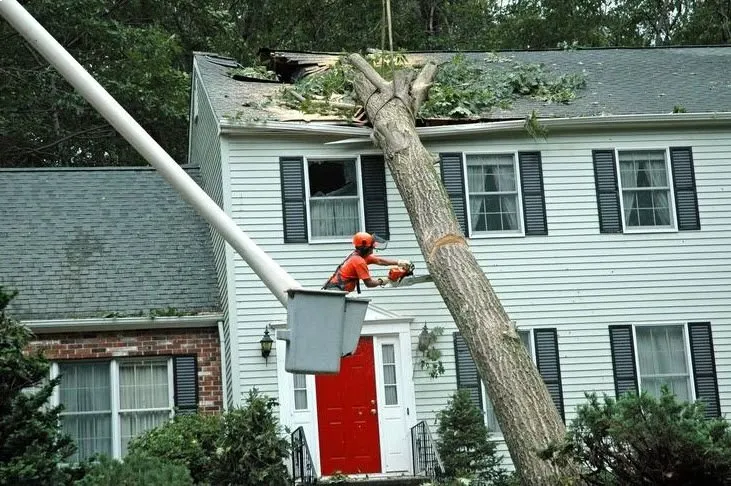
It usually starts with a small change. A tree that once looked strong and vibrant now seems a little lopsided, or its leaves aren’t coming back as they should. Maybe you’ve walked through your garden in Hull after a storm and noticed a slight lean that wasn’t there before. Most homeowners don’t think about tree removal until something forces their hand, but knowing when to act can protect your home, your family and even the tree itself.
Tree removal isn’t always the first choice. In many cases, tree surgery, crown lifting or deadwood removal can restore a struggling tree. But there are clear moments when removing a tree becomes the safest and most responsible option. Understanding those signs helps you make decisions based on safety, long-term care and the health of the surrounding landscape.
When a Tree Becomes Unsafe
One of the most common reasons people in Hull consider tree removal is safety. A tree may look perfectly normal on the outside, yet its internal structure could be severely compromised. Decay, weakened roots and hidden cavities can leave it vulnerable to collapse. If you’ve noticed large cracks in the trunk, significant root damage or branches that break far too easily, it may be a sign the tree is no longer stable.
Storms around the Humber region can also change a tree almost overnight. A sudden lean or a section of the crown tearing away can shift the tree’s weight, making it unpredictable. In these moments, tree removal becomes less about preference and more about preventing a potentially serious accident.
When the Tree Is Beyond Recovery
Many trees can be saved with the right intervention. Skilled tree surgery can improve airflow, reduce weight, shape overgrown crowns and encourage healthier growth. Crown lifting often solves issues where branches hang too low, while deadwood removal clears decaying limbs that drain the tree’s energy. But if your tree is no longer responding to treatment or the decline is advanced, removal may be the kinder option.
A tree with widespread fungal growth, severe trunk rot or a hollow base may not recover regardless of how much care it receives. These issues tend to accelerate once they’ve reached a certain stage. Leaving the tree in place may only delay the inevitable and increase the risk as time goes on.
When Roots Start Causing Problems
Tree roots can quietly create issues long before they become obvious. You might notice paving slabs lifting, cracks appearing in nearby structures or drainage issues that don’t quite add up. While not every root-related problem requires tree removal, there are cases where the root system becomes too disruptive.
In built-up areas of Hull, where homes often sit close to gardens, trees with large, aggressive roots can threaten foundations or underground utilities. If an arborist confirms that the roots are causing structural damage, removing the tree can prevent much more expensive repairs later.
When a Tree Interferes with Your Garden or Renovation Plans
Gardens evolve over time. What worked ten years ago may no longer suit your needs today. You might be planning an extension, new landscaping or a patio renovation, only to find a large tree standing in the middle of your plans. Although it’s always worth exploring tree surgery first, there are situations where removal is the most practical option.
Trees that cast heavy shade, drop excessive debris or dominate small gardens can limit how you use your outdoor space. If the tree has outgrown the area or constantly requires intervention to keep it manageable, removal may allow you to redesign your garden in a way that better suits your lifestyle.
When the Tree Is Causing Ongoing Maintenance Issues
Not all problematic trees are dangerous. Some are simply high-maintenance. Constant leaf drop, sticky sap, excessive shading or persistent deadwood can make a garden difficult to enjoy. Over time, the effort and cost of managing these issues can outweigh the value the tree provides.
In Hull’s more established neighbourhoods, older trees often reach a point where they become a chore to maintain. Although pruning and crown management can help, removal can be the simplest way to reclaim a cleaner, safer and more balanced outdoor environment.
How Professional Assessment Helps You Decide
Tree removal is rarely a snap decision. A qualified tree surgeon will always look at alternatives first. They’ll examine the tree’s structure, health and surroundings before recommending the best course of action. Sometimes a light prune or crown lifting solves the problem immediately. Other times, especially when safety risks are clear, removal is the most responsible path to take.
Working with an experienced team also ensures the removal is carried out safely. Trees near buildings, roads or neighbouring properties require specialist equipment and careful planning. A professional approach protects your property and keeps the surrounding landscape intact.
Making the Right Choice for Your Property in Hull
No two trees are the same, and no two gardens face identical challenges. Whether you’re dealing with a visibly deteriorating tree or something that doesn’t feel quite right, taking early action always helps. A quick assessment can reveal whether simple maintenance work like deadwood removal will solve the issue or whether the tree has reached the end of its safe lifespan.
If you think a tree on your property may need attention, the safest step is to speak with a local tree surgery team in Hull. They can walk you through the options, advise you on what’s genuinely necessary and help you make a decision that protects both your home and the natural environment.
For expert support with tree removal, tree surgery, crown lifting or deadwood removal, booking a consultation ensures you get the right advice from the start.
FAQs
How do I know if a tree is dangerous?
A tree may be unsafe if it has visible cracks, a sudden lean, dead branches or signs of decay. A professional inspection is the most reliable way to confirm the level of risk.
Can a tree be saved instead of removed?
In many cases, yes. Tree surgery, crown lifting and deadwood removal can restore balance and improve health. Removal is usually recommended only when the tree can’t be saved.
Is tree removal always necessary for damaged roots?
Not always. It depends on the extent of the damage and how close the tree is to buildings or utilities. A tree surgeon can assess the situation and suggest the safest option.
Do I need permission to remove a tree in Hull?
Some trees are protected by preservation orders, and conservation areas may have extra rules. A professional can check this for you before any work begins.
Comments are closed