
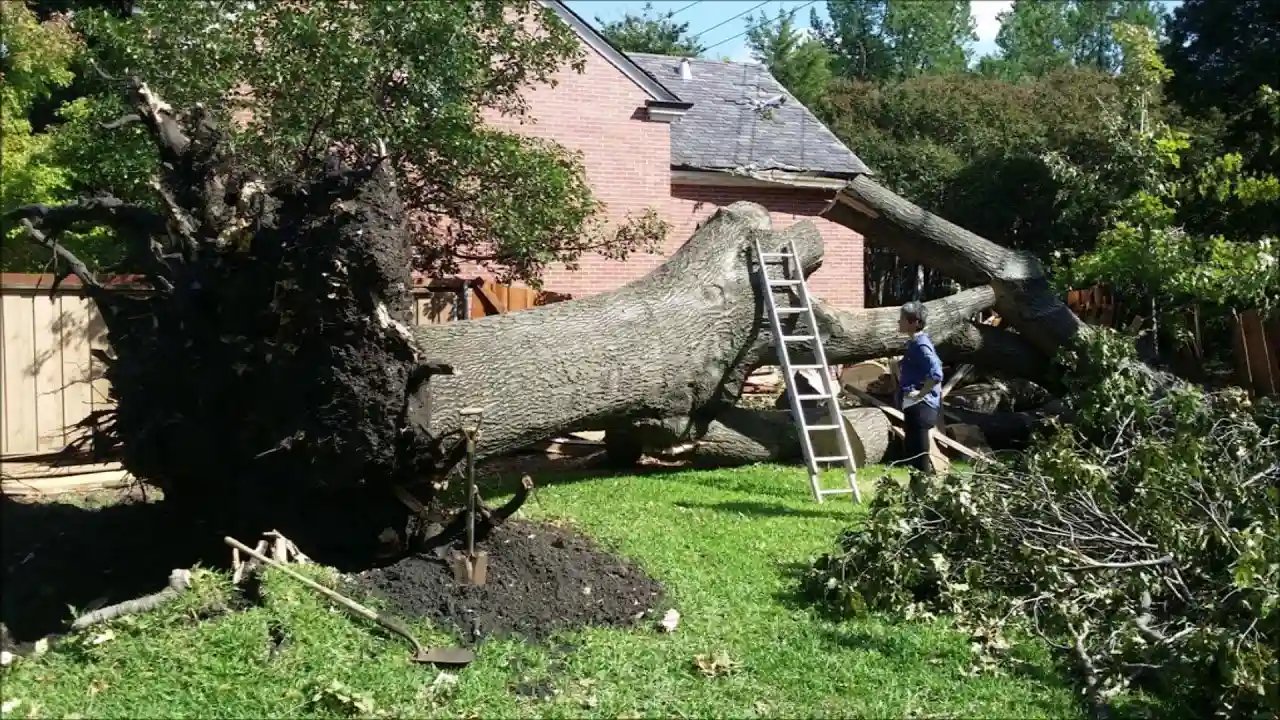
You don’t think much about the trees around your home until one suddenly gives way. It only takes one stormy night for a loud crack to echo across the street, leaving a heavy branch across a driveway or a whole tree lying across a garden. Situations like this are common in Hull, especially during winter weather, and they raise a quick but important question: what risks do fallen trees actually pose in residential areas? The problems go far beyond inconvenience. A fallen tree creates safety hazards, unexpected repair costs and, in some cases, legal complications. Knowing the risks helps you act before the situation gets far worse.
The Immediate Safety Threats Fallen Trees Can Cause
A fallen tree might look harmless once the storm passes, but it can be incredibly dangerous. One of the biggest risks is injury because branches often fall under tension. A small shift can cause them to roll or collapse further, catching anyone nearby off guard. Homeowners trying to move debris themselves sometimes underestimate the weight or instability of a trunk, which is why emergency services report many tree-related injuries each year. The Royal Society for the Prevention of Accidents notes that falling objects from trees are a leading cause of outdoor injuries during high winds, and the size of mature trees in Hull’s neighbourhoods only increases the danger.
Damage to property is another immediate issue. A fallen tree can crush a car, crack roof tiles or break windows. Even a single branch can leave a window frame weakened or a gutter pulled away from the wall. Repairs from these incidents often cost far more than routine tree maintenance would have, which is why many homeowners decide to involve a tree surgery professional rather than tackling the issue alone.
The Hidden Structural Damage Homeowners Often Miss
What you see on the surface isn’t always the full story. A tree that falls into a garden may drag up soil, disturb underground utilities or weaken nearby structures. In older parts of Hull, shallow pipework can shift when roots are pulled from the ground, sometimes causing problems weeks after the tree has been cleared. Roof damage can also be subtle. A branch may hit the roof without breaking a tile but still loosen the structure enough to allow small leaks to form over time. These issues stay hidden until damp patches appear indoors, which often turns a simple repair into a much bigger job. It’s why a quick assessment from a tree surgery specialist and, if needed, a roofer can save a great deal of trouble later.
The Legal and Insurance Issues Fallen Trees Can Create
Many homeowners are surprised to learn that fallen trees can lead to legal or insurance complications. If your tree falls onto a neighbour’s property, liability depends on whether the tree was healthy. If it was diseased or visibly unsafe and you ignored it, you may be responsible for the repair costs. If it was healthy and fell due to severe weather, your neighbour’s insurance usually covers their own damage. Regular inspections provide proof that your trees are being maintained properly, which insurers often ask for when processing claims. Some areas of Hull also have conservation rules, meaning you can’t always remove a fallen tree without professional advice. Qualified arborists understand these regulations and can guide you before any work takes place.
How Tree Surgery Helps Prevent Fallen Tree Risks
Most incidents involving fallen trees can be prevented with regular maintenance. Crown lifting, deadwood removal and routine inspections make a tree stronger and reduce the chances of failure during storms. Crown lifting, for example, removes lower branches to improve balance and reduce weight, which helps the tree handle high winds. A trained arborist can also identify early signs of disease or decay that homeowners might not notice. Trees can look stable from the outside but be structurally weak inside, and these are the ones most likely to fall without warning. In Hull, where mature trees often stand close to houses, sheds and boundary lines, an annual inspection is one of the simplest ways to keep your property safe.
When Tree Removal Becomes the Only Safe Option
While maintenance prevents many problems, sometimes tree removal is the safest solution. Trees with severe structural damage, root instability or heavy disease cannot always be saved. Leaving them standing risks further collapse, which can be far more dangerous and far more expensive to deal with. Removal is also needed when roots begin damaging foundations, drains or driveways. This happens often in older Hull gardens where trees have been growing for decades. A professional removal ensures the job is done safely and prevents additional complications.
Why Acting Quickly Matters
The biggest mistake homeowners make is waiting, assuming the fallen tree is stable or harmless. In reality, the risks remain until the debris is cleared and the tree is assessed properly. A leaning tree, cracked branch or exposed root system can deteriorate quickly, especially after bad weather. Acting early protects your home, your neighbours and your insurance position. If you’re unsure about the condition of a tree, a quick visit from a qualified arborist is always the safer choice.
FAQs About Fallen Trees in Residential Areas
What should I do first if a tree falls in my garden?
Your first step is to make sure everyone is safe and avoid going near the fallen tree. Branches can move unexpectedly, especially if the tree is resting unevenly. Once the area is secure, contact a professional tree surgery service to assess the damage and carry out safe removal.
Who is responsible if my tree falls on a neighbour’s property?
Responsibility depends on the condition of the tree. If it was healthy and fell because of severe weather, the neighbour’s insurance usually covers their own damage. If the tree was neglected, diseased or clearly unsafe, you may be liable. Regular inspections help protect you in these situations.
Can a fallen tree cause underground damage?
Yes. When roots are pulled from the ground, they can disturb soil, drains and underground pipework. This type of damage isn’t always visible immediately, which is why a professional inspection is recommended after any significant tree fall.
When should a fallen tree be removed?
It’s best to have a fallen tree removed as soon as possible. Leaving it in place increases safety risks, encourages rot and can attract pests. Quick removal also helps prevent further damage to fencing, gardens or nearby structures.
How can I prevent trees from falling in the future?
Regular maintenance is the most effective solution. Tree surgery services such as crown lifting, deadwood removal and annual health checks help reduce the chances of structural failure. Early detection of disease or decay also makes a significant difference.
Need Support With Fallen Trees or Tree Surgery in Hull?
If you’re dealing with a fallen tree or want to prevent one in future, our team provides reliable tree surgery, tree removal and crown lifting across Hull. We assess the risks, offer practical advice and carry out the work safely so you don’t have to worry about further damage. Contact us today to arrange a visit and keep your property safe all year round.
Comments are closed