
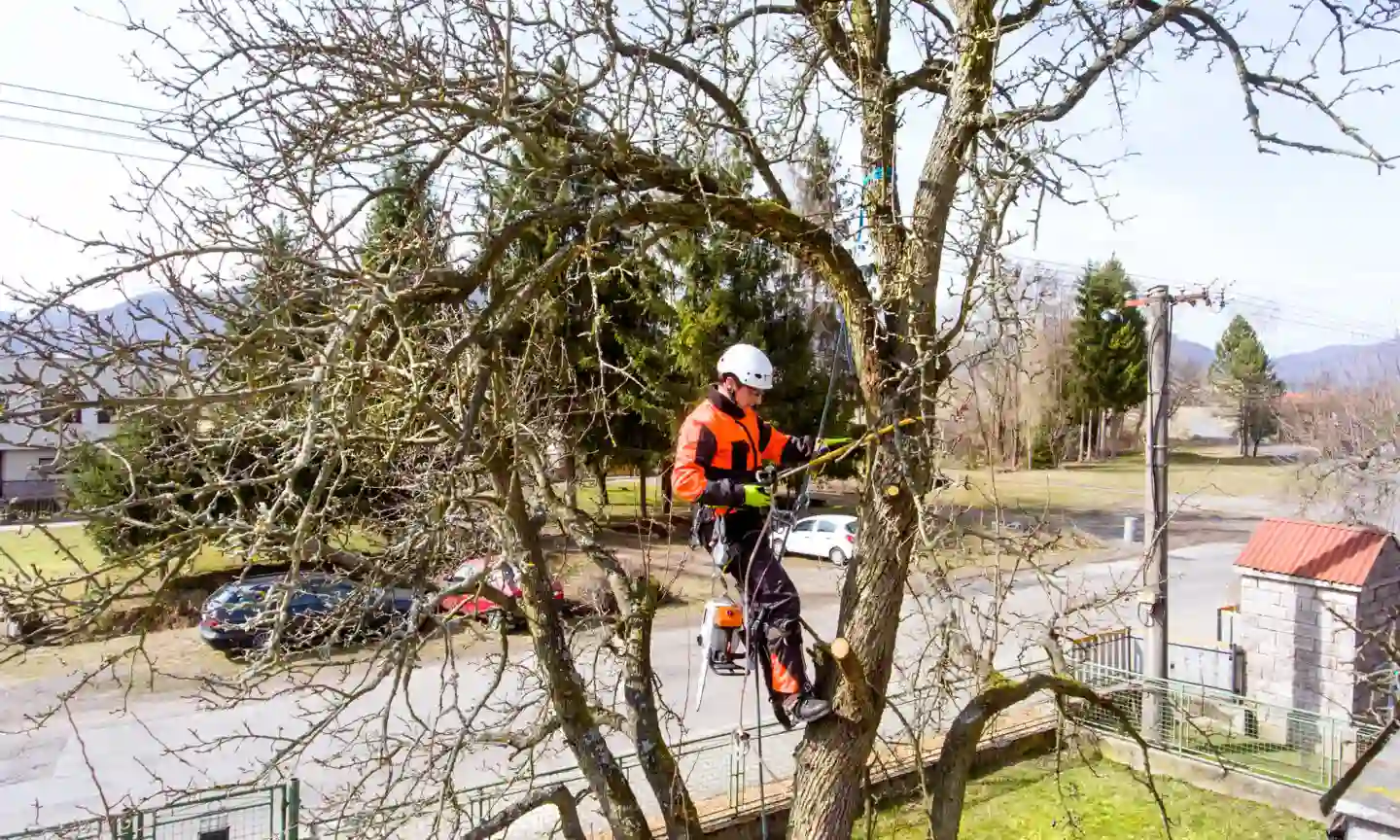
If you own a property in Hull, chances are you have dealt with trees that feel more like a problem than an asset. Overhanging branches, blocked light, damaged fences or roots pushing up paving all create pressure to act quickly. This is usually where trouble starts. Many homeowners only discover Tree Preservation Orders after work has already begun, and by then the consequences can be costly.
Understanding why TPOs are important for protecting local trees is not just about avoiding fines. It is about recognising the long-term value trees bring to Hull’s streets, gardens and neighbourhoods, and knowing how to manage them responsibly without putting yourself at legal risk.
What Is a Tree Preservation Order and Why Does It Exist?
A Tree Preservation Order, often shortened to TPO, is a legal tool used by local councils to protect specific trees or woodland areas that offer significant public value. In Hull, these orders are typically applied to trees that contribute to the local character, support biodiversity or form part of an established streetscape.
A TPO makes it illegal to cut down, top, lop, uproot or damage a protected tree without formal consent. This includes work that might seem minor, such as excessive pruning or poorly planned crown lifting. The purpose is not to stop all tree work, but to ensure it is justified, proportionate and carried out correctly.
Trees take decades to mature, yet can be lost in a single afternoon. TPOs exist to prevent short-term decisions from causing permanent environmental damage.
Why Are TPOs Important for Protecting Local Trees?
The importance of TPOs becomes clearer when you look at what happens without them. Urban trees are often the first casualties of development, extensions or quick-fix landscaping. Once removed, they are rarely replaced with anything of equal ecological or visual value.
TPOs protect trees that improve air quality, reduce surface water flooding and support wildlife. In a city like Hull, where green space plays a critical role in balancing urban development, these benefits are not abstract. Mature trees help manage wind exposure, absorb pollutants and provide natural cooling during warmer months.
From a planning perspective, protected trees help preserve the identity of neighbourhoods. Streets lined with mature trees are more attractive, quieter and often more desirable places to live. TPOs ensure those benefits are not lost due to convenience or lack of awareness.
The Legal Consequences of Ignoring a TPO
One of the most common misconceptions is that tree work carried out on private land is exempt from council oversight. This is not true. If a tree is protected, ownership does not remove responsibility.
Unauthorised tree removal or inappropriate pruning can result in significant fines. In serious cases, this can run into tens of thousands of pounds per tree. Beyond financial penalties, enforcement action can require replacement planting, which often comes with long-term maintenance conditions.
In Hull, the council actively investigates reports of unauthorised work, often prompted by neighbours. This makes it essential to check a tree’s status before any work begins, even if the tree appears unhealthy or unsafe.
How TPOs Affect Tree Removal and Maintenance
TPOs do not mean trees must be left unmanaged. They exist to regulate how work is carried out, not to prevent it entirely. Legitimate concerns such as structural damage, safety risks or disease are all considered valid reasons for intervention when properly evidenced.
Tree removal may still be approved if the tree is dead, dangerous or causing unavoidable damage. However, this decision must be supported by professional assessment and formal consent. In many cases, councils prefer remedial work over full removal, particularly where issues can be resolved through pruning or crown reduction.
Crown lifting is a good example. When carried out correctly, it can improve clearance, light and access without compromising the tree’s health or structural integrity. Poorly executed crown lifting, on the other hand, can destabilise a tree and lead to long-term decline. This is precisely why TPOs exist, to ensure work is proportionate and undertaken by qualified professionals.
Real-World Situations We See in Hull
In Hull, it is common for homeowners to contact a tree specialist after receiving a warning letter from the council. Often, work has already started without realising a TPO was in place. In most cases, the intention was not malicious, just uninformed.
Another frequent scenario involves property purchases. Buyers inherit protected trees without being told, then later plan renovations or landscaping that conflicts with TPO restrictions. This creates delays, unexpected costs and frustration that could have been avoided with early checks and proper advice.
These situations highlight the practical value of understanding why are TPOs important for protecting local trees. They protect not only the environment, but also homeowners from making costly mistakes.
TPOs, Planning Permission and Conservation Areas
TPOs often intersect with wider planning controls. In conservation areas, all trees above a certain size are automatically protected, even without a specific order. This means you may still need permission for tree work, regardless of whether a TPO is listed.
When submitting planning applications in Hull, protected trees are a material consideration. Their presence can influence layout, access points and even whether permission is granted at all. Early engagement with a qualified arborist helps prevent last-minute changes that derail projects.
Understanding these links reinforces why TPOs are not an administrative inconvenience, but a framework for balanced development.
Professional Guidance Makes the Difference
Navigating TPO regulations without expert help often leads to problems. Councils expect applications to be supported by clear reasoning, evidence and appropriate specifications. Vague requests or poorly justified proposals are more likely to be refused.
A professional tree surgeon understands how to assess tree health, recommend appropriate solutions and communicate effectively with local authorities. This approach not only improves approval rates, but ensures trees are managed sustainably.
For homeowners considering tree removal or crown lifting in Hull, professional guidance is not optional, it is essential.
Frequently Asked Questions
What happens if I carry out work on a TPO tree without permission?
Unauthorised work can result in substantial fines and enforcement action. In some cases, you may be required to plant replacement trees and maintain them for several years.
Can I remove a TPO tree if it is dangerous?
Yes, but evidence is required. A professional assessment should confirm the risk, and the council must be notified. Emergency work may be allowed, but documentation is critical.
Does crown lifting require permission under a TPO?
Yes. Any pruning that alters the structure or appearance of a protected tree requires consent, even if it seems minor.
How do I check if a tree in Hull is protected?
Hull City Council maintains records of TPOs and conservation areas. A professional tree surgeon can also check this as part of an initial assessment.
Will I always be refused permission for tree removal?
No. Applications are assessed on merit. Where removal is justified, permission is often granted, sometimes with conditions for replacement planting.
Final Thoughts and What to Do Next
Understanding why are TPOs important for protecting local trees is about more than compliance. It is about recognising the shared responsibility of preserving Hull’s natural environment while managing your property sensibly.
If you are considering tree removal, crown lifting or any form of tree work, the safest next step is professional advice. A qualified local tree specialist can assess your situation, check for TPO restrictions and guide you through the application process properly.
Comments are closed