
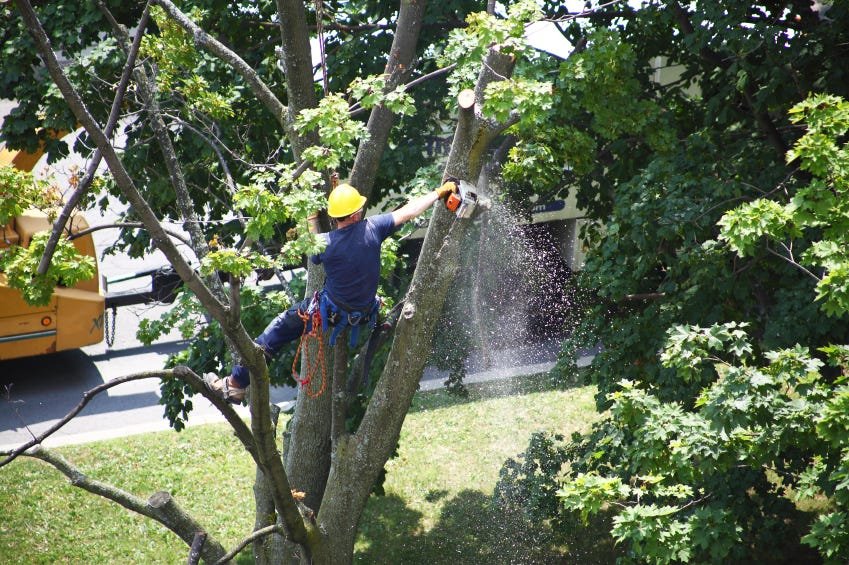
If you own a property in Hull, chances are you live with trees closer than you might like. Mature gardens, older streets, and boundary planting mean trees often grow alongside homes rather than away from them. The question usually is not whether a tree needs attention, but how far that work should go. Homeowners regularly ask whether full removal is necessary or whether careful reduction will solve the problem without losing the tree entirely.
This decision matters more than many people realise. Get it wrong, and you risk ongoing damage, rising costs, or even legal trouble. Get it right, and you protect your property, preserve the local landscape, and avoid unnecessary work.
This guide breaks down the real difference between Tree Removal vs Tree Reduction, using practical examples from Hull properties and advice grounded in professional tree surgery experience.
Understanding the Difference Between Tree Removal and Tree Reduction
Tree removal is exactly what it sounds like. The entire tree is dismantled and taken away, including the main stem. In most cases, the stump is either ground down or treated to prevent regrowth. This approach is final and usually chosen when a tree is dead, dangerous, or causing unavoidable structural problems.
Tree reduction is more conservative. Instead of removing the whole tree, a qualified arborist selectively reduces its size. This might involve shortening branches, thinning the crown, or reshaping growth to reduce weight and wind resistance. When done correctly, reduction maintains the health and structure of the tree while addressing specific risks.
The confusion often comes from assuming reduction is simply “cutting it back.” Poor-quality reduction can actually shorten a tree’s lifespan. Proper tree surgery follows recognised standards to avoid long-term harm.
When Tree Removal Is the Right Call
There are situations where removal is not just sensible but necessary. In Hull, one of the most common reasons is structural risk. Trees growing close to older brickwork or shallow foundations can cause cracking, especially during dry spells when roots search aggressively for moisture.
Dead or dying trees are another clear case. A report by the Forestry Commission notes that deadwood failure is a leading cause of tree-related property damage during high winds. Once a tree has significant decay, even Deadwood Removal may not be enough to make it safe.
Storm damage also plays a role. After severe weather, some trees develop internal fractures that are not obvious from the outside. In these cases, full removal is often the only way to eliminate the risk of collapse.
There are also legal and practical reasons. If a tree is causing damage to neighbouring property or public footpaths, the landowner may be held liable. Removing the tree entirely can sometimes be the most responsible option.
When Tree Reduction Makes More Sense
Not every problem tree needs to disappear. In fact, many do not. Tree reduction is often the best solution when a tree is healthy but has outgrown its space.
In Hull’s residential areas, it is common to see trees blocking light, overhanging roofs, or brushing against overhead cables. Reducing the canopy can restore daylight, improve clearance, and reduce ongoing maintenance without sacrificing the tree.
Another common scenario is wind exposure. Large crowns act like sails during storms. Reducing height and spread lowers wind resistance and the risk of failure. This is especially relevant in exposed areas around the Humber, where strong winds are a regular feature.
Tree reduction also works well alongside preventative Tree Surgery, such as crown thinning and selective pruning. Combined with targeted deadwood removal, it can significantly extend the lifespan of a mature tree.
Cost, Risk, and Long-Term Impact
Cost is often the deciding factor, but it should not be the only one. Tree removal is usually more expensive upfront due to labour, equipment, and waste disposal. Reduction tends to cost less initially, but it may need repeating every few years.
However, long-term impact matters more than the first invoice. Removing a tree can change drainage patterns, expose neighbouring plants, and reduce property appeal. Estate agents regularly note that mature trees can add perceived value to a home when they are well maintained.
On the other hand, repeated reductions done incorrectly can weaken a tree, leading to decay and eventual removal anyway. This is why professional assessment is critical before choosing either option.
Legal Considerations in Hull
Before any work begins, it is essential to check whether the tree is protected. Tree Preservation Orders and conservation area restrictions are common across parts of Hull. Carrying out unauthorised removal or excessive reduction can result in significant fines.
Hull City Council provides guidance on protected trees and permissions, and a reputable tree surgeon will handle these checks on your behalf. Ignoring this step is one of the most costly mistakes homeowners make.
A Real-World Example from Hull
A recent case involved a mature sycamore close to a semi-detached property in west Hull. The homeowner initially requested full removal after noticing cracks in an external wall. A professional assessment revealed the tree was healthy and not the primary cause of the damage.
Instead of removal, a targeted reduction combined with root management and ongoing monitoring solved the issue. The tree remained, the risk was reduced, and the homeowner avoided unnecessary expense and loss of a mature feature.
This kind of outcome is common when decisions are based on evidence rather than assumption.
Choosing the Right Approach for Your Property
The choice between Tree Removal vs Tree Reduction should never be made in isolation. It depends on tree health, location, risk level, legal status, and long-term goals for your property.
A qualified arborist will assess factors such as decay, root spread, canopy structure, and proximity to buildings. They will also consider whether alternatives like deadwood removal or selective pruning could achieve the same result with less impact.
If you are comparing quotes, be cautious. A very cheap price often signals rushed work or poor technique, both of which can create bigger problems later.
FAQs: Tree Removal vs Tree Reduction
Is tree reduction better for the environment than removal?
In most cases, yes. Keeping a healthy tree provides habitat, improves air quality, and supports local biodiversity. Removal should be a last resort unless safety is compromised.
How often does a reduced tree need maintenance?
Typically every three to five years, depending on species and growth rate. Fast-growing trees may need more frequent attention.
Can deadwood removal replace full tree removal?
Only when the tree is otherwise healthy. If decay is widespread, deadwood removal alone may not make the tree safe.
Do I need permission to reduce a tree in Hull?
If the tree is protected by a Tree Preservation Order or located in a conservation area, permission is usually required, even for reduction.
Final Thoughts and Next Steps
Deciding between tree removal and reduction is not about preference. It is about safety, legality, and long-term impact. When handled properly, tree reduction can solve many common problems without the downsides of full removal. When removal is necessary, it should be done decisively and professionally.
If you are unsure which option suits your situation in Hull, speak to an experienced tree surgeon who can assess the tree on its merits rather than pushing a one-size-fits-all solution. A proper inspection today can prevent expensive mistakes tomorrow.
If you would like advice specific to your property, get in touch with a local tree surgery specialist for a professional assessment and clear, honest guidance.
Comments are closed