
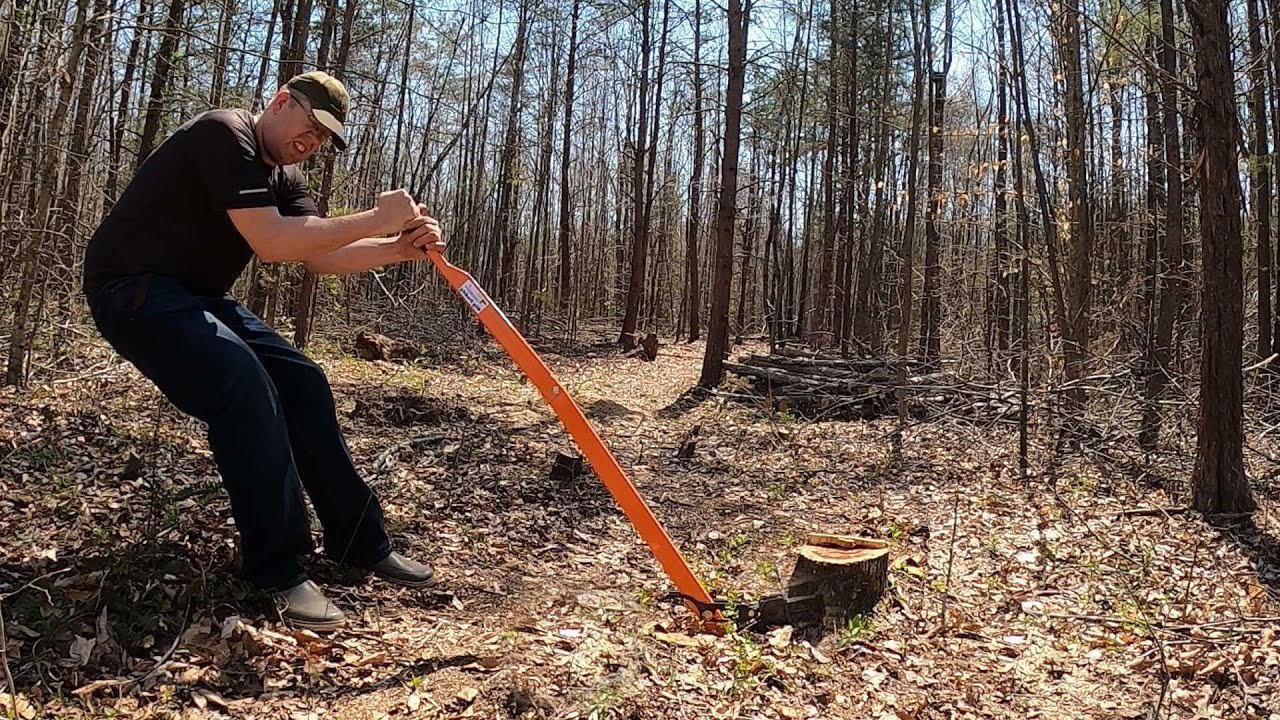
If you have recently gone through tree removal or stump removal, the first thing you probably noticed was not the extra space but the mess left behind. Bare patches, compacted soil, exposed roots and a garden that suddenly feels unfinished. This is one of the most common concerns homeowners across Hull raise after having a tree or stump taken out, and it is completely normal.
Removing a tree is only half the job. What you do next determines whether your garden recovers properly or stays patchy and difficult to maintain for years. This guide walks through what actually works in real gardens around Hull, based on soil conditions, weather patterns and the way local gardens are used.
Why Gardens Struggle After Stump Removal
Stump removal is more disruptive than most people expect. Even when the stump is ground down, the surrounding soil is often compacted by machinery, stripped of nutrients and filled with decaying root material. In Hull, where clay-heavy soils are common, this can lead to drainage problems if it is not handled correctly.
A study by the Forestry Commission has shown that soil structure damage is one of the main reasons lawns fail to regrow after tree removal. The issue is not the stump itself but what happens underneath the surface. Without intervention, grass seed struggles, plants weaken and weeds move in fast.
Start With the Soil, Not the Surface
The biggest mistake homeowners make after stump removal is focusing on what the garden looks like rather than what the soil needs. Before thinking about turf, planting or landscaping, the ground has to be reset.
The area should be cleared of leftover wood chips and loose debris. While small amounts of wood mulch can be beneficial elsewhere in the garden, too much around a former stump can rob the soil of nitrogen as it breaks down. This is a common reason new grass turns yellow within weeks.
Once cleared, the soil needs loosening to restore airflow and drainage. In Hull’s damp climate, compacted soil can quickly become waterlogged. Adding organic matter such as compost or well-rotted manure helps rebalance nutrients and improves structure. This step alone often determines whether the garden thrives or struggles long term.
Deciding How to Use the Space
After tree removal, many homeowners realise they have more usable space than expected. This is the point where planning matters. Simply replacing what was there before is not always the best option.
If the removed tree was blocking light, the garden may now be suitable for turf, planting beds or even a seating area. In smaller Hull gardens, stump removal often opens up space for raised beds or improved access, making maintenance easier.
This is also a good time to reassess hedge trimming and boundaries. With the tree gone, overgrown hedges often stand out more and can throw off the balance of the garden. Tidying these areas helps the space feel intentional rather than patched together.
Replanting Grass or Turf the Right Way
Many people want to re-seed or turf immediately after stump removal. While this is possible, timing and preparation are critical. Rushing this stage is why lawns fail within the first season.
Grass grows best when the soil has settled. In most Hull gardens, waiting a few weeks after stump removal allows moisture levels to stabilise. Before seeding, the area should be levelled and lightly compacted by foot, not machinery. This prevents future sinking as the ground settles.
Using a high-quality seed mix suited to shaded or previously compacted areas increases success rates. Local landscapers often see better results with slower-growing, hard-wearing grass varieties rather than quick-fix options.
When Planting Makes More Sense Than Grass
Grass is not always the best solution, especially where large trees once stood. The soil chemistry may still be adjusting, and some areas take years to fully recover. In these cases, planting beds can be more forgiving and visually appealing.
Shrubs, perennials and ground cover plants cope better with changing soil conditions and help stabilise the area. Mulching around new plants also suppresses weeds that thrive after stump removal. Over time, this approach often results in a healthier and lower-maintenance garden.
Drainage Issues to Watch For in Hull Gardens
Hull’s flat landscape and heavy soils mean drainage problems often appear after tree removal. Trees naturally absorb large amounts of water. Once they are gone, excess moisture has nowhere to go.
If puddling appears after rain, it should be addressed early. Aeration, soil improvement and, in some cases, installing simple drainage solutions can prevent long-term damage. Ignoring this stage often leads to moss, root rot and unusable lawn areas.
Long-Term Maintenance After Tree and Stump Removal
The months following stump removal are when most gardens either recover or decline. Regular monitoring is important. Look for sinking soil, poor plant growth or persistent weeds. These are signs the soil needs further adjustment.
This is also a good time to align garden maintenance routines. Coordinating hedge trimming, lawn care and seasonal planting helps the garden settle into a balanced state. Many Hull homeowners find that a one-off garden tidy after tree removal makes a bigger difference than the removal itself.
Environmental Considerations and Responsible Disposal
Tree and stump removal produces waste that should be handled responsibly. Wood chips, roots and soil should be disposed of or reused appropriately. According to UK environmental guidance, untreated wood waste can often be repurposed as mulch away from lawns and planting areas, reducing landfill use.
Choosing professionals who follow responsible disposal practices supports both garden health and environmental standards.
FAQs: What Homeowners in Hull Ask Most After Stump Removal
How long should I wait before replanting after stump removal?
In most cases, waiting two to four weeks allows the soil to settle and moisture levels to stabilise. This reduces the risk of sinking and poor plant growth.
Will grass grow where a tree stump was removed?
Yes, but only if the soil is properly prepared. Without removing excess wood debris and restoring nutrients, grass often struggles.
Do I need professional help after stump removal?
Not always, but larger areas or drainage issues may benefit from professional advice. Local experience matters, especially with Hull’s soil conditions.
Can I plant another tree in the same spot?
It is possible, but the soil needs time to recover. Many experts recommend choosing a different location or waiting at least a year.
Final Thoughts and What to Do Next
Stump removal and tree removal change more than just how your garden looks. They affect soil health, drainage and long-term maintenance. When handled properly, they also create an opportunity to improve the garden rather than simply repair it.
If your garden in Hull feels unfinished after stump removal, addressing the soil, planning the space and making informed planting choices will make the difference. For homeowners who want it done right the first time, speaking with a local specialist who understands Hull gardens can save time, money and frustration.
If you are planning stump removal or need help restoring your garden afterwards, now is the best time to act while the soil is still workable and before problems settle in.
Comments are closed