
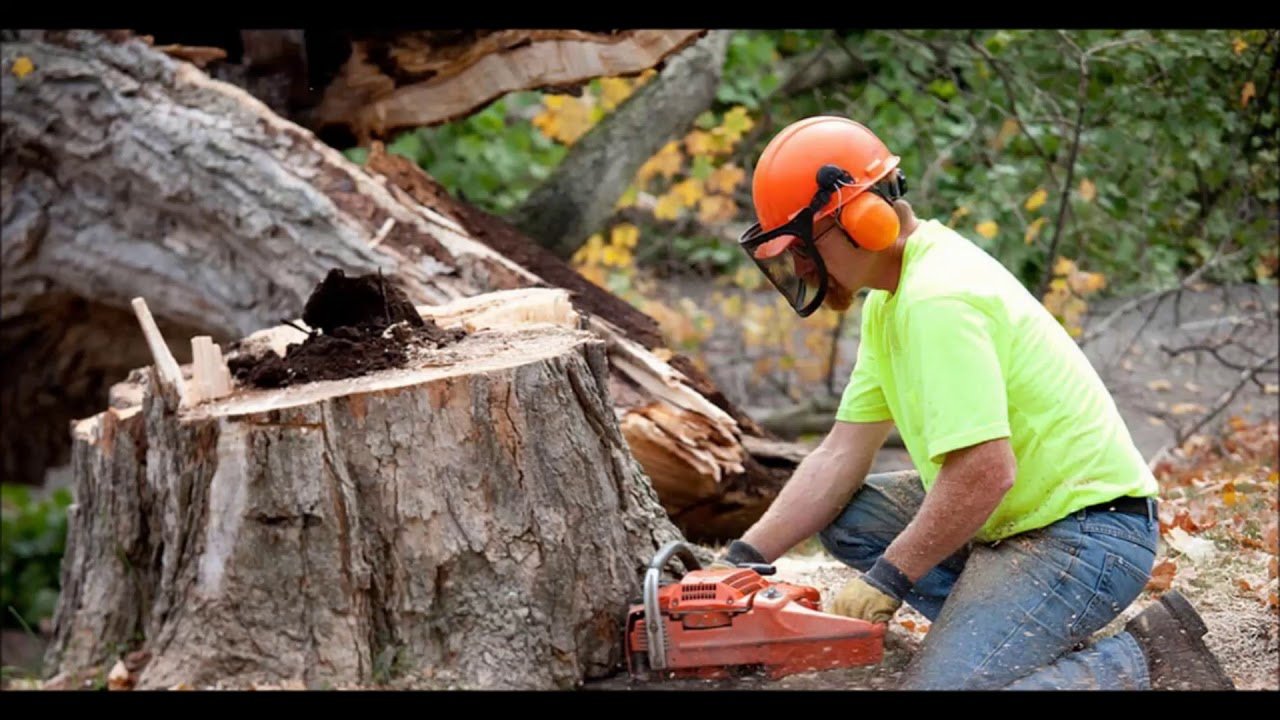
It usually starts with something small. A branch brushing the roof during high winds. Leaves clogging the gutters a bit faster than usual. A hedge that feels like it can wait until next season. For many homeowners in Hull, tree maintenance slips down the priority list because nothing looks urgent. That is where the real risk begins.
Ignoring tree maintenance is one of the most common and expensive mistakes property owners make. What looks like a harmless delay often turns into cracked roofs, damaged drains, unstable walls, and insurance claims that could have been avoided. Hull’s mix of older housing stock, coastal winds, and heavy seasonal rain only amplifies those risks.
This article explains how neglected trees quietly damage properties, why the costs escalate so quickly, and what proactive maintenance actually prevents in real terms.
How Small Tree Issues Turn Into Major Structural Problems
Trees rarely fail without warning. The problem is that most of those warnings are subtle and easy to dismiss. A dead branch high in the canopy does not draw attention until it falls. Roots spread slowly beneath the surface, long before cracks appear in paving or foundations.
In Hull, strong winds are a regular occurrence rather than an exception. According to Met Office data, coastal areas of East Yorkshire experience higher average wind speeds than inland regions. When trees are not properly maintained, that wind load transfers directly into weak branches and unstable growth patterns. Over time, this pressure causes branches to shear off or entire trees to uproot, often landing on roofs, fences, conservatories, or parked vehicles.
Once damage happens, the costs multiply quickly. Emergency callouts, scaffolding, roof repairs, and internal water damage often follow a single incident. In many cases, insurers reduce payouts if maintenance has clearly been neglected.
Roofs, Gutters, And The Silent Damage Overhead
One of the most overlooked consequences of ignoring tree maintenance is long-term roof damage. Overhanging branches scrape tiles, dislodge ridge caps, and wear down protective coatings. Moss and debris accumulate faster, holding moisture against the roof surface for extended periods.
Blocked gutters are another common outcome. Leaves and twigs restrict water flow, forcing rainwater to back up beneath rooflines and fascia boards. In Hull’s wetter months, this leads to damp ingress, timber rot, and internal staining that homeowners often mistake for unrelated leaks.
Tree maintenance practices such as crown lifting significantly reduce these risks by raising the canopy away from rooflines and allowing better airflow. When carried out correctly, it also improves light levels without compromising the health of the tree.
Root Systems And Underground Damage Most People Never See
Roots cause some of the most expensive property damage, largely because the problem remains invisible for years. Tree roots naturally seek moisture and can infiltrate drainage systems through small cracks or joint weaknesses. Once inside, they expand and block pipes, leading to repeated drainage failures.
In areas of Hull with clay-heavy soils, root movement can also contribute to ground heave or subsidence. This is particularly relevant for older properties with shallow foundations. Cracks in walls, uneven patios, and distorted pathways are often blamed on general ground movement, when nearby trees are the real cause.
By the time structural movement becomes obvious, remedial work is rarely minor. Tree management earlier in the growth cycle is significantly cheaper than underpinning or drainage replacement later on.
Deadwood And Storm Damage Risks
Deadwood removal is one of the most critical yet underestimated aspects of tree care. Dead branches lose flexibility and structural integrity, making them far more likely to fall without warning. In storm conditions, they become projectiles.
Hull regularly experiences sudden weather changes, where high winds follow heavy rain. Wet timber weighs more, and dead branches snap under stress. Many emergency tree callouts occur after damage has already happened, when proactive removal could have prevented it entirely.
Deadwood removal is not about aggressive pruning. It is targeted, safety-focused maintenance that preserves the health of the tree while reducing liability for the property owner.
Hedges, Boundaries, And Neighbour Disputes
Hedge trimming might feel cosmetic, but unmanaged hedges create practical and legal problems. Overgrown hedges can block footpaths, obscure sightlines near driveways, and encroach onto neighbouring land. In Hull’s residential areas, this often escalates into disputes or council complaints.
From a property protection perspective, dense hedges also trap moisture against walls and fences. Timber structures rot faster, and brickwork stays damp for longer periods. In winter, this contributes to freeze-thaw damage that weakens mortar joints.
Regular hedge trimming keeps boundaries clear, reduces damp retention, and prevents minor issues from becoming legal or structural ones.
The Financial Reality Of Delayed Tree Care
Many homeowners delay maintenance to save money, yet the data consistently shows the opposite outcome. A 2023 UK insurance industry review found that storm-related tree damage accounts for millions of pounds in property claims each year, with a significant proportion linked to poorly maintained trees.
Routine tree maintenance costs a fraction of emergency work. Planned crown lifting, inspections, and seasonal pruning are predictable expenses. Emergency removals, roof repairs, and interior restoration are not.
There is also the matter of property value. Surveyors routinely flag unmanaged trees as risk factors during valuations. What feels like a neutral choice can quietly reduce a home’s market appeal.
Tree Maintenance As A Form Of Risk Management
The most important shift is seeing tree care as preventative maintenance rather than optional gardening. Trees are living structures with predictable growth patterns. When managed properly, they enhance properties instead of threatening them.
Professional tree inspections identify weak points early. Adjustments like selective pruning or deadwood removal correct imbalances before they turn dangerous. In Hull’s environment, this approach is not overcautious. It is practical.
Frequently Asked Questions About Ignoring Tree Maintenance
Can I be held responsible if my tree damages a neighbour’s property?
Yes. In the UK, property owners have a duty of care to ensure trees on their land do not pose a foreseeable risk. If damage occurs and neglect is proven, liability often falls on the tree owner.
How often should trees be professionally inspected?
For most residential properties, an inspection every one to two years is recommended, with additional checks after severe storms. Older or larger trees may require more frequent assessments.
Does crown lifting harm the tree?
When carried out correctly by trained professionals, crown lifting does not harm the tree. It improves clearance and airflow while maintaining structural balance.
Are insurers affected by poor tree maintenance?
Many insurers assess maintenance history when processing claims. Lack of reasonable upkeep can lead to reduced payouts or claim disputes.
Is deadwood removal legally required?
While not legally mandated, failing to remove known deadwood that poses a risk can be considered negligence if damage occurs.
Final Thoughts And Next Steps
Ignoring tree maintenance rarely feels risky in the moment. That is what makes it so costly. Damage builds quietly, then arrives suddenly, often during the worst possible weather.
If you own a property in Hull, proactive tree care is one of the simplest ways to protect your roof, drains, boundaries, and long-term investment. Addressing issues early is not about aesthetics. It is about control.
If you are unsure whether your trees pose a risk, arranging a professional assessment now can save significant expense later. Tree maintenance done at the right time is not a cost. It is insurance you actually control.
Comments are closed