
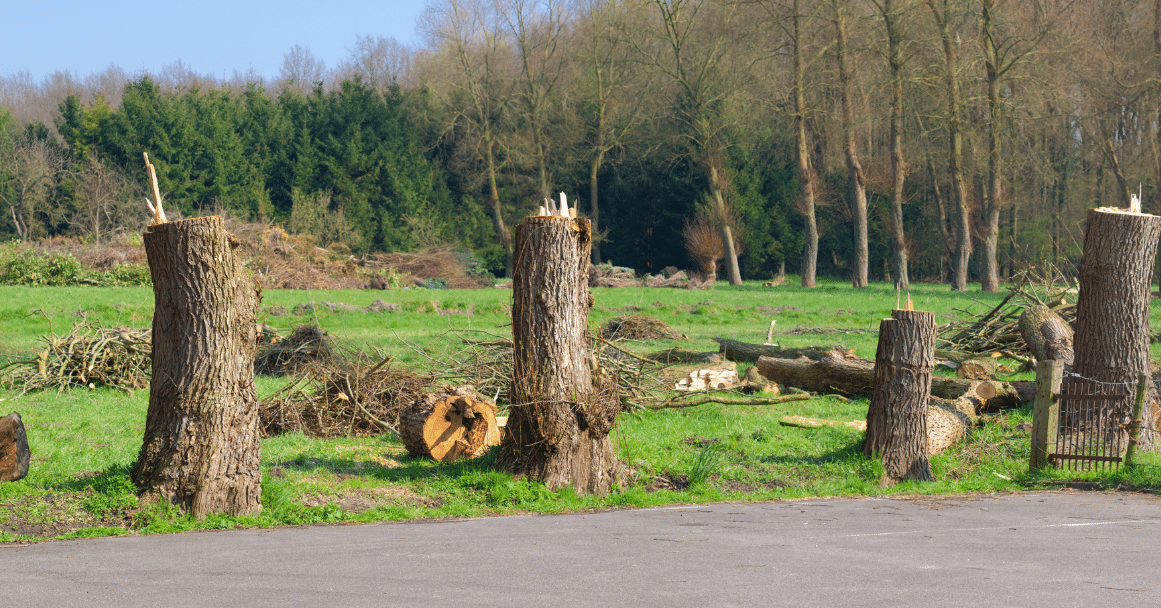
If you have ever stood in your garden staring at an overgrown tree and wondered whether you are allowed to touch it, you are not alone. In Hull, this question comes up more often than people expect, usually after a neighbour raises concerns or when a property sale is on the line. The short version is that you might need permission, but the real answer depends on the tree, its location, and its legal status.
This article breaks down what Hull homeowners actually need to know before they cut down a tree. It is based on how permissions work in practice, not just what the rules say on paper. If you want to avoid fines, neighbour disputes, or costly delays, this is worth reading carefully.
Why Tree Permissions Matter More Than People Think
Most people assume that if a tree is in their garden, it is their decision. In reality, trees are protected because of their environmental value, impact on wildlife, and contribution to local character. Councils take unauthorised removal seriously, and penalties can be significant.
In Hull, enforcement is not theoretical. There have been real cases where homeowners faced enforcement action after cutting down a tree without checking first. In some situations, the issue only came to light when a neighbour complained or when solicitors raised it during a house sale. By that point, it is already too late to undo the damage.
The Two Main Situations Where Permission Is Required
There are two main scenarios where you will usually need council approval before you cut down a tree. The first is when the tree is protected by a Tree Preservation Order. The second is when the tree sits within a conservation area.
A Tree Preservation Order, often called a TPO, is a legal designation that protects specific trees or groups of trees. If a tree has a TPO, you must get written consent from the council before carrying out any work, including felling, heavy pruning, crown lifting, or even deadwood removal in some cases.
Conservation areas work slightly differently. If your property falls within one, you are required to give the council six weeks’ written notice before carrying out work on most trees. This allows the council time to assess whether the tree should be formally protected.
In Hull, both of these are overseen by Hull City Council, and permission is handled through their planning and tree management process.
How to Check If Your Tree Is Protected in Hull
The safest way to check is through the council’s online planning portal or by contacting their planning department directly. You will need your address and, ideally, a rough description of the tree, including its location in the garden.
Do not rely on hearsay or assumptions. It is common for homeowners to believe a tree is unprotected because previous owners carried out work in the past. That does not guarantee permission was ever granted.
If you are unsure, a qualified local tree surgeon can usually check this for you as part of an initial site visit. In practice, this is often faster and less stressful than trying to interpret council maps yourself.
What Happens If You Cut Down a Tree Without Permission
This is where many people get caught out. Cutting down a tree without the required consent can lead to prosecution, unlimited fines, and an obligation to plant a replacement tree in the same location. In serious cases, enforcement action can continue even after the tree has been removed.
From experience, the most common trigger for investigations is neighbour complaints. Another frequent trigger is during property transactions, when conveyancers flag unauthorised tree work as a potential legal issue.
It is also worth noting that insurance rarely covers fines related to unauthorised work, and professional tree surgeons will usually refuse to carry out work if permission has not been confirmed.
Situations Where You Usually Do Not Need Permission
Not all tree work requires council approval. If a tree is dead, dying, or poses an immediate danger, you are usually allowed to act without prior consent. However, this is where documentation matters.
In Hull, the council may ask for evidence such as photographs or a professional report to confirm that the tree was genuinely hazardous. Simply stating that it looked unsafe is rarely enough if the work is later questioned.
Routine maintenance like light pruning, crown lifting for access, or deadwood removal may also be allowed on unprotected trees. The key point is that once a tree is protected, even minor work can require approval.
Why Professional Advice Matters More Than Ever
Tree law in the UK is not always intuitive. What seems like sensible maintenance to a homeowner can be considered unauthorised work by the council. This is especially true with older or visually prominent trees.
Experienced local tree surgeons do more than just cut trees. They understand how Hull applies planning rules, how long permissions usually take, and what evidence councils expect. That experience can save weeks of delays and prevent expensive mistakes.
From an EEAT perspective, this is also where trust matters. Reputable contractors will explain the process, not rush you into work, and will never suggest ignoring council requirements.
Real-World Example from Hull
A common situation involves homeowners wanting to cut down a tree that blocks light or affects a driveway. In one recent case in Hull, a property owner removed a mature tree believing it was unprotected. The tree was later found to fall within a conservation area. The result was enforcement action and a requirement to replant, alongside legal costs.
By contrast, another homeowner dealing with storm damage contacted a tree surgeon first. The surgeon documented the risk, notified the council, and carried out the work legally within days. The difference was not luck, but preparation.
Frequently Asked Questions
Can I cut down a tree in my garden without telling the council?
Sometimes, yes, but only if the tree is not protected and the property is not in a conservation area. You should always check first, as assumptions are what usually lead to problems.
How long does council permission take in Hull?
For trees with a Tree Preservation Order, decisions typically take up to eight weeks. For conservation area notifications, the council has six weeks to respond.
Is crown lifting allowed on protected trees?
Crown lifting can still require permission if the tree is protected. Even though it is often considered maintenance, the council may want to assess the impact before approving it.
What about deadwood removal?
Deadwood removal is sometimes permitted without formal consent, but this depends on the tree’s status. If the tree has a TPO, it is safest to confirm with the council or a professional first.
Will a tree surgeon handle permission for me?
Many professional tree surgeons in Hull will manage the application process on your behalf. This often includes submitting photographs, reports, and liaising with the council.
Final Thoughts and What to Do Next
If you are thinking about cutting down a tree in Hull, the most important step is to pause and check before acting. A quick conversation with a qualified tree surgeon or the council can prevent months of stress later on.
If you are unsure whether your tree is protected, or if you need advice on crown lifting or deadwood removal, speak to a local professional who understands Hull’s regulations. The right guidance at the start almost always costs less than fixing a mistake after the fact.
If you would like help assessing your tree or handling permissions correctly, get in touch with a local Hull tree surgery specialist for advice tailored to your property.
Comments are closed