
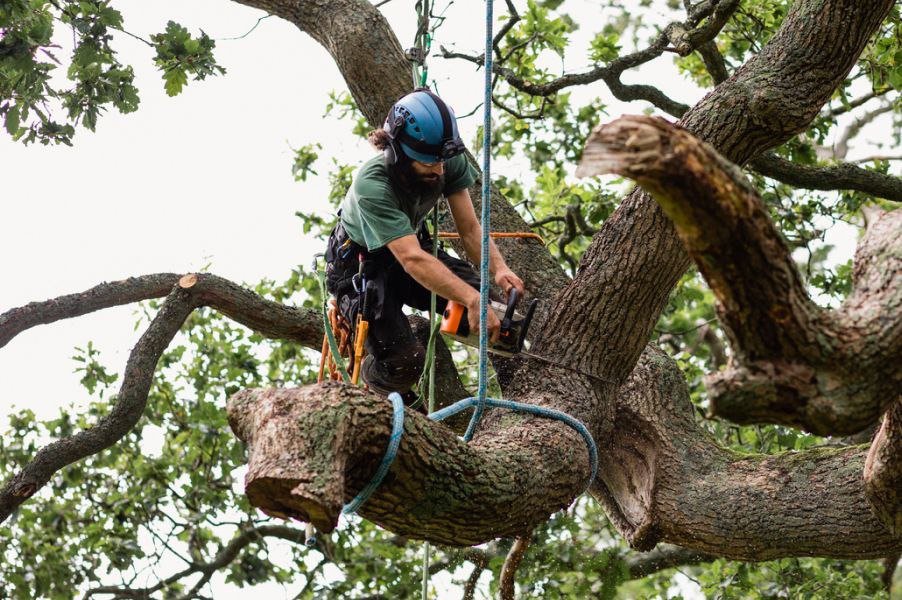
You wake up one morning, look out into the garden, and decide that the large tree blocking light from your kitchen has to go. It feels simple enough. Call a contractor, book the job, problem solved.
Then someone mentions three words that change everything: Tree Preservation Orders.
Suddenly, what seemed like routine garden maintenance becomes a legal issue. In Hull, removing or even pruning a protected tree without permission can result in prosecution and fines that reach tens of thousands of pounds. And most homeowners only discover this when it is already too late.
What Are Tree Preservation Orders?
Tree Preservation Orders, often referred to as TPOs, are legal protections made by local planning authorities to safeguard specific trees or woodland areas. In Hull, these are issued and managed by Hull City Council under powers granted by the Department for Levelling Up, Housing and Communities.
A TPO makes it a criminal offence to cut down, top, lop, uproot, wilfully damage, or destroy a protected tree without formal written consent from the council.
The purpose is not to make life difficult for homeowners. It is to preserve trees that offer significant public benefit, whether through environmental value, visual amenity, or historical importance.
In urban areas like Hull, mature trees are not just decorative. They reduce air pollution, improve biodiversity, and can increase property value. Research by the Woodland Trust has consistently shown that tree-lined streets improve both mental wellbeing and market appeal.
Why Hull Has So Many Protected Trees
Hull’s mix of Victorian housing, conservation areas, and established residential districts means mature trees form part of the city’s character.
In areas such as The Avenues or parts of Kingswood, trees contribute heavily to the streetscape. Removing one can significantly alter the appearance of an entire road. That is often the trigger for a Tree Preservation Order.
Hull also contains several designated conservation areas. Even if a tree is not individually protected, additional rules may apply in those zones. Homeowners must give the council six weeks’ written notice before carrying out work on trees with a trunk diameter over 75mm.
In short, the assumption that “it’s my garden, so I can do what I like” does not apply.
How to Check If a Tree Has a TPO in Hull
The first step is not calling a contractor. It is checking the legal status.
Hull City Council provides mapping tools and planning services where homeowners can confirm whether a tree is covered by a Tree Preservation Order or located within a conservation area. A professional tree surgery company will also verify this before undertaking work.
Skipping this step is risky. Councils take unauthorised work seriously. Courts can impose unlimited fines for serious breaches, and homeowners may be required to plant replacement trees.
What Work Is Allowed on Protected Trees?
This is where confusion often begins. A Tree Preservation Order does not mean you can never touch the tree. It means you must obtain permission first.
Common requests include Crown Lifting, Deadwood Removal, and other Tree Surgery works aimed at improving safety or managing growth.
Crown lifting involves removing lower branches to increase clearance. Deadwood removal focuses on cutting out decaying or hazardous limbs. Both are often approved when justified properly, especially if the work improves safety or tree health.
The key is evidence. Applications should include:
- A clear description of the proposed work
- Reasons for the request
- Professional arboricultural justification where necessary
In our experience across Hull, applications supported by qualified arborists stand a far higher chance of approval than vague homeowner submissions.
Real Example: When Things Go Wrong
A Hull homeowner once removed substantial branches from a mature lime tree, assuming it was routine maintenance. The tree was protected. The council investigated following a neighbour’s complaint.
The result? Enforcement action, legal costs, and a replacement planting notice.
The issue was not malicious intent. It was lack of awareness.
This is why reputable tree surgery companies never start work without checking for Tree Preservation Orders. It protects both the homeowner and the contractor.
The Application Process Explained
Applying for consent is straightforward but must be done properly.
An application is submitted to Hull City Council detailing the proposed work. The council may inspect the tree before making a decision. The standard determination period is eight weeks.
Approval may include conditions, such as replacement planting or specific pruning methods. Refusal decisions can be appealed, but that process can be lengthy.
Emergency situations are different. If a tree poses an immediate danger, limited work may be carried out without prior consent. However, evidence must be retained to prove urgency.
Do Tree Preservation Orders Affect Property Value?
This is a common question. In practice, protected trees rarely reduce property value. In many cases, they enhance it.
Studies across the UK property market suggest that homes in greener streets command higher sale prices. Buyers increasingly prioritise outdoor space and mature landscaping.
However, unmanaged or dangerous trees can become liabilities. This is where professional Tree Surgery plays a role. Responsible management ensures safety without breaching legal protection.
Crown Lifting, Deadwood Removal and Responsible Tree Surgery in Hull
Responsible tree surgery is about balance. It protects public amenity while safeguarding property and occupants.
Crown Lifting can improve light levels and clearance for vehicles. Deadwood Removal reduces risk of falling branches. Both are legitimate forms of maintenance when carried out correctly.
The important point is this: work on protected trees must be proportionate and justified. Over-pruning can weaken structure and trigger enforcement action.
Homeowners should seek contractors who understand local planning law, not just chainsaw operation.
Frequently Asked Questions About Tree Preservation Orders in Hull
Can I cut down a protected tree if it is in my garden?
No. If the tree is covered by a Tree Preservation Order, you must obtain written consent from Hull City Council before removal. Ownership does not override legal protection.
How long does it take to get permission?
The council typically has eight weeks to determine a TPO application. Delays can occur if additional information is required.
What happens if I ignore a TPO?
Unauthorised work is a criminal offence. Courts can impose significant fines and require replacement planting.
Are small trees covered by TPOs?
Yes. Protection is not based solely on size. The council assesses public amenity value when issuing Tree Preservation Orders.
Can I carry out Deadwood Removal without permission?
Not if the tree is protected. Even safety-related pruning requires consent unless there is immediate danger.
Final Thoughts for Hull Homeowners
Tree Preservation Orders exist to protect the character and environmental health of Hull. They are not designed to prevent sensible maintenance. But they do require awareness and compliance.
Before arranging Crown Lifting, Deadwood Removal, or any form of Tree Surgery, check the status of your tree. Speak to professionals who understand local regulations.
If you are unsure whether your tree is protected or need help submitting an application in Hull, consult an experienced local tree surgery specialist who can guide you through the process properly and legally.
Comments are closed