
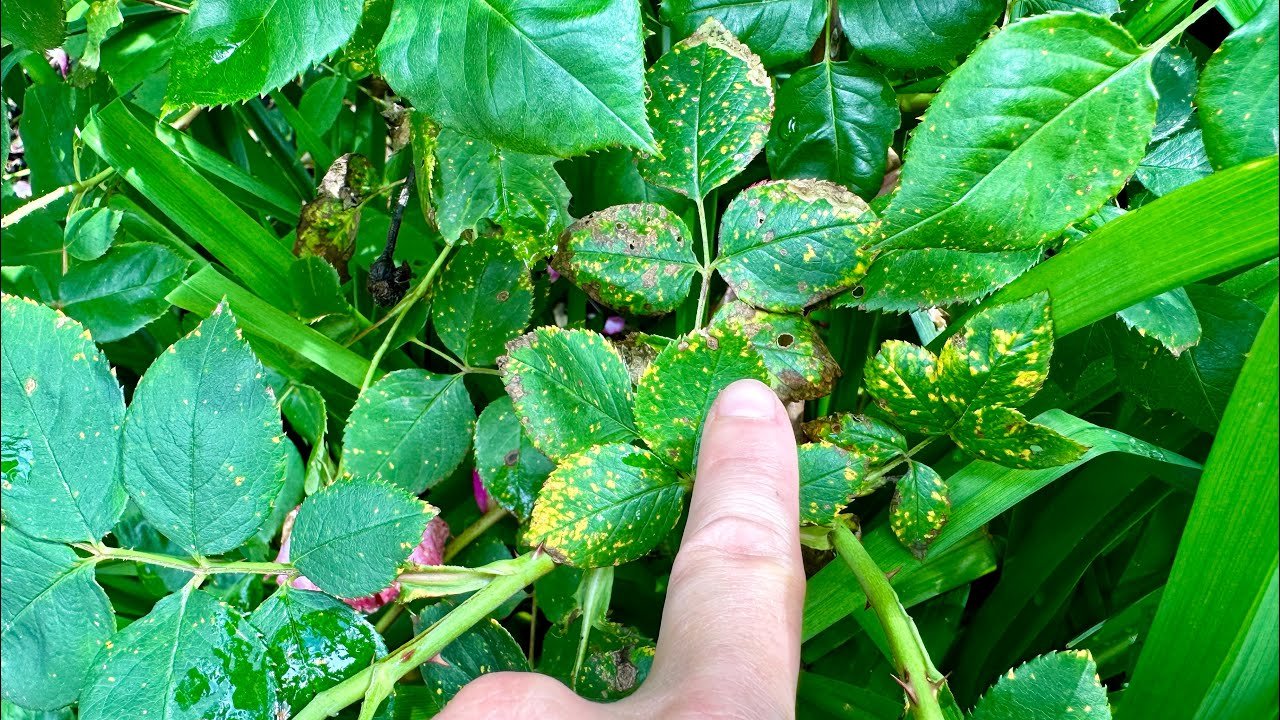
Walking through the beautiful gardens of Hull, from the leafy avenues of The Avenues to the community spaces in East Park, you notice the pride we take in our green spaces. A healthy, vibrant tree can be the centrepiece of any garden, offering shade, privacy, and a home for wildlife. But what happens when that pride and joy starts to look a bit under the weather? It’s a sinking feeling many gardeners in our area know all too well – the tell-tale signs of trouble on the leaves, branches, or trunk of a beloved tree.
The health of your trees is vital not just for the beauty of your garden, but for the safety and structure of your property. Ignoring the early warnings can lead to a much bigger problem down the line. As a professional with years of hands-on experience caring for trees across Hull and the wider East Yorkshire region, I’ve seen how quickly minor issues can escalate. Understanding how to spot and manage common tree diseases is the first step in protecting your leafy assets. This guide is designed to give you the practical knowledge you need to keep your garden’s trees thriving.
Understanding the Signs: Your Tree’s Health Check
Your trees communicate their health through visual cues. Learning to read these signs is like learning a new language. You don’t need to be a botanist, but knowing what to look for allows you to act swiftly. A regular walk around your garden, specifically to check on your trees, can make all the difference.
Leaf and Foliage Problems
The leaves are often the first place you’ll spot an issue. Discolouration is a major red flag. Look for yellowing, brown spots, or black blotches that don’t seem related to the changing seasons. Powdery mildew, for instance, presents as a white, dusty coating on leaves and is quite common in damp conditions. Another culprit is leaf spot fungus, which creates distinct, often circular, blemishes. While some leaf issues are cosmetic, others can signal a more systemic problem affecting the entire tree. Premature leaf drop, especially outside of autumn, is a clear sign of stress that needs investigating.
Branch and Bark Abnormalities
Moving your inspection from the leaves to the woody parts of the tree, pay close attention to the branches and trunk. Fungal brackets or mushrooms growing directly from the bark are a sure sign of internal decay. The presence of these fruiting bodies means the fungus has been at work for some time, weakening the tree’s structure from the inside out. Also, look for deep cracks, cankers (sunken areas of dead bark), or unusual oozing. These symptoms can point to serious tree diseases like ash dieback, which has sadly become a significant concern for ash trees throughout Hull and the UK.
The Overall Picture: Crown and Growth Issues
Finally, step back and look at the tree’s overall shape, or its crown. Is the canopy thinning out, with sparse foliage where it was once dense? This could indicate a root problem or a disease that is inhibiting the tree’s ability to draw nutrients from the soil. Dieback, where the tips of the branches are dead and leafless while the rest of the branch is alive, is another critical warning sign. This symptom often starts at the top of the tree and works its way down, signalling a progressive decline in health.
Proactive Management and Professional Tree Surgery
Once you’ve identified a potential problem, the next step is management. Some minor issues can be handled with careful pruning and good garden hygiene. However, many significant tree diseases require professional intervention to prevent them from spreading or causing structural failure. This is where skilled arboricultural practices become essential.
The Role of Strategic Pruning
Proper pruning is one of the most effective tools in managing tree health. For instance, Deadwood Removal is a critical maintenance task. Dead or dying branches are not only unsightly but also provide an easy entry point for pests and diseases. By carefully removing this wood, you eliminate potential infection sites and improve the tree’s overall structure and safety. It’s a process that requires precision to avoid damaging the healthy parts of the tree.
In some cases, a more specialised technique called Crown Lifting may be necessary. This involves removing the lower branches of a tree’s crown to increase the clearance between the ground and the foliage. While often performed for practical reasons, like allowing more light into a garden or providing access, it can also improve air circulation through the canopy. Better airflow helps leaves dry more quickly after rain, making it harder for fungal diseases like powdery mildew and leaf spot to take hold. This is a skilled job that shapes the tree’s future growth and should only be undertaken by a qualified professional.
When Removal is the Only Safe Option
Unfortunately, there are times when a tree is too diseased or structurally compromised to be saved. In these situations, removal is the only responsible course of action to protect your property and neighbouring areas. This is especially true for large, mature trees affected by advanced decay fungi. A dying tree can become a serious hazard, particularly during the high winds we sometimes experience in Hull.
The process of felling a tree safely is complex, but the job isn’t over once the trunk is down. You are left with a stump, which can be a stubborn obstacle. Over time, a stump can also harbour pests and fungal diseases that could spread to other healthy plants in your garden. This is why professional Stump Removal is so important. Using specialised grinding equipment, an arborist can remove the stump and the main root ball from below the ground’s surface, allowing you to reclaim the space for new planting or landscaping.
Frequently Asked Questions About Tree Diseases
Q: How often should I inspect my trees for diseases?
A: It’s a good practice to give your trees a quick visual check at least once a month during the growing season (spring and summer). A more thorough inspection should be done at least twice a year, once in early summer when the leaves are fully out and once in winter when the branch structure is fully visible.
Q: Can I treat tree diseases myself?
A: For very minor issues like a small patch of powdery mildew, you might try improving air circulation. However, for most suspected tree diseases, it’s best to get a professional diagnosis. Using the wrong treatment can harm the tree further, and many effective treatments are only available to certified arborists.
Q: Is Crown Lifting bad for my tree?
A: When performed correctly by a qualified tree surgeon, Crown Lifting is a standard and beneficial arboricultural practice. It involves making precise cuts to encourage healthy growth and healing. However, improper techniques, such as removing too many branches or leaving jagged cuts, can create lasting damage and stress the tree.
Q: My tree’s leaves are turning yellow. Is it definitely diseased?
A: Not necessarily. Yellowing leaves can also be a sign of nutrient deficiency, overwatering, or underwatering. It’s a symptom that requires looking at the bigger picture. Check the soil conditions and look for other signs on the branches and trunk before concluding it’s a disease. If you’re in doubt, expert advice is always the best option.
If you’ve noticed any of these worrying signs on your trees or simply want a professional health check for peace of mind, don’t hesitate to act. Protecting the health and beauty of your Hull garden starts with being proactive. Contact a local, qualified tree care specialist today to discuss your concerns and ensure your trees remain a source of joy for years to come.
Comments are closed