
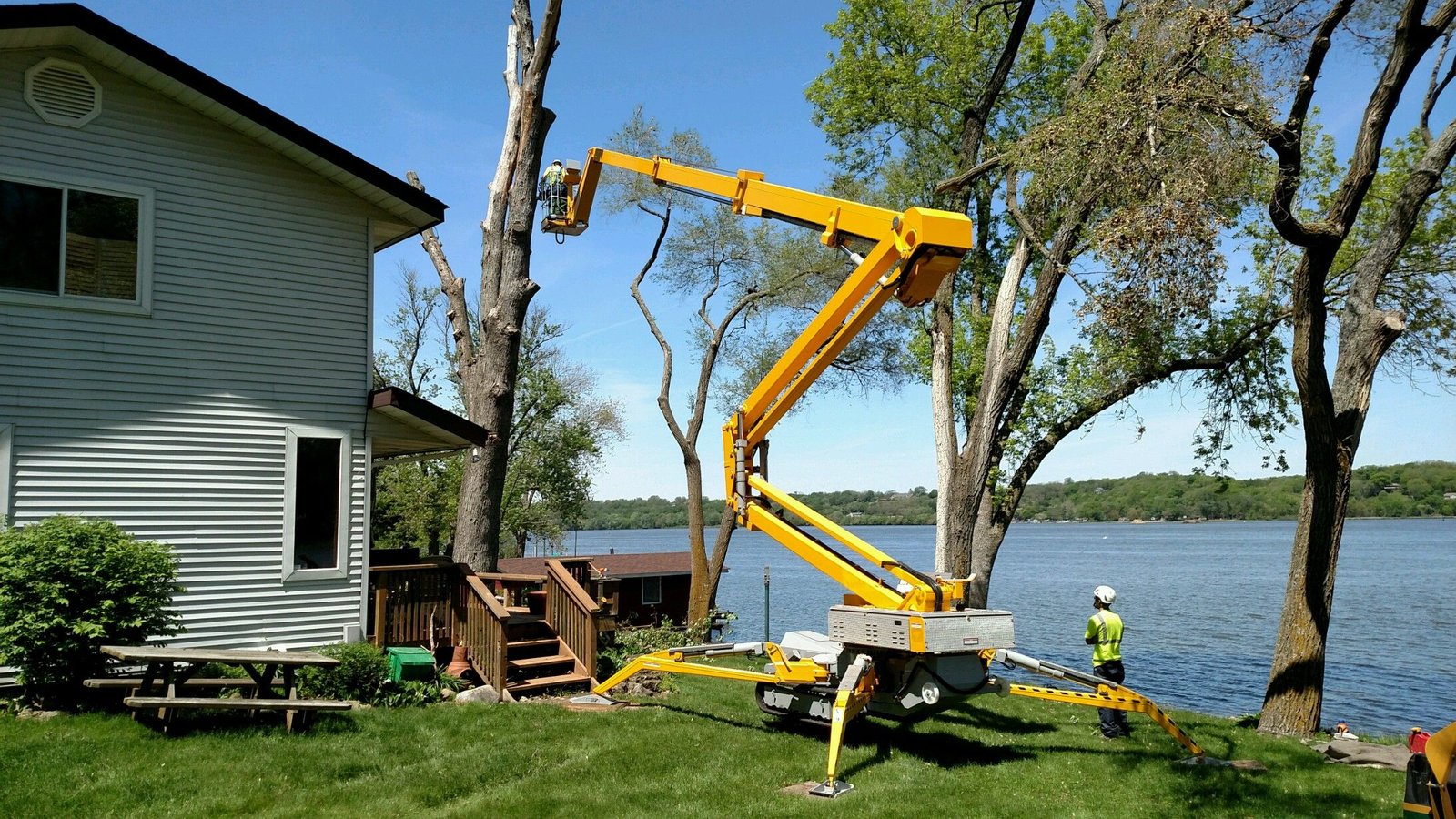
Have you ever walked through Pearson Park in Hull and marvelled at the majestic, mature trees that line its avenues? These giants aren’t just beautiful; they are silent guardians of our local environment. Yet, their ability to support our ecosystem doesn’t happen by accident. Just like a garden needs tending, urban trees require care to thrive. Proper tree maintenance is one of the most effective ways we can contribute to a healthier, greener city, and the positive impacts extend far beyond simple aesthetics.
Many people think of tree surgery as something only necessary when a tree becomes a problem—a storm-damaged limb or roots interfering with foundations. The truth is that proactive, professional care is an investment in our collective environmental future. The benefits of proper tree maintenance are vast, transforming individual trees into powerful assets for our community and the planet.
Enhancing Carbon Sequestration Through Tree Health
One of the most significant environmental roles trees play is absorbing carbon dioxide (CO2), a primary greenhouse gas, from the atmosphere. They store this carbon in their wood, roots, and leaves in a process called sequestration. A healthy, growing tree is a highly efficient carbon sink.
How Maintenance Boosts Carbon Storage
A stressed or unhealthy tree cannot photosynthesise effectively. Its growth slows, and its capacity to absorb CO2 diminishes. In some cases, a dying tree can even become a carbon source, releasing the carbon it has stored as it decays.
This is where proper tree maintenance makes a direct impact. By ensuring a tree has a well-structured canopy, sufficient light penetration, and freedom from disease, we stimulate vigorous growth. A healthy, fast-growing tree will sequester carbon at a much higher rate than a neglected one. Professional arborists can identify and resolve issues like compacted soil, nutrient deficiencies, or pest infestations that hinder a tree’s growth and its carbon-capturing potential. The cumulative effect of well-maintained trees across Hull and East Yorkshire creates a significant, positive impact on our local carbon footprint.
Boosting Biodiversity in Our Urban Landscape
Our local green spaces, from private gardens to public parks, are vital habitats for an array of wildlife. Trees form the backbone of these ecosystems. The benefits of proper tree maintenance extend directly to supporting and increasing this local biodiversity.
The Role of Deadwood Removal
It might sound counterintuitive, but removing certain types of deadwood is essential for a tree’s vitality and, by extension, the ecosystem it supports. Deadwood Removal is a specialist task that involves carefully cutting away dead, dying, or diseased branches from the tree’s canopy.
So, how does this help wildlife?
- Preventing Disease Spread: Fungi and diseases that thrive on dead branches can spread to the healthy parts of the tree. A widespread infection can weaken and eventually kill the tree, destroying a valuable habitat.
- Encouraging New Growth: By removing non-productive branches, the tree can redirect its energy into producing healthy new leaves, flowers, and fruit. This provides a richer food source for birds, insects like bees, and small mammals.
- Improving Structural Integrity: Large dead branches can pose a significant risk. If they fall, they can damage the tree and its surroundings. By removing them, we ensure the tree remains a safe and stable long-term home for wildlife.
Creating a More Inviting Habitat with Crown Lifting
Crown Lifting is another key technique. It involves removing the lowest branches of a tree’s canopy to a specified height. While often done for practical reasons, such as creating clearance over a path or road, it has subtle environmental advantages. By raising the crown, more light can reach the ground beneath the tree. This encourages the growth of understory plants like wildflowers and shrubs, creating a more complex, multi-layered habitat that can support a wider variety of insects and ground-dwelling creatures.
Consider the native oak trees found in our region. A well-managed oak can support hundreds of species. Proper maintenance ensures it lives longer and remains healthy, maximising its value as a biodiversity hotspot for generations.
Strengthening the Local Ecosystem
The health of individual trees is directly linked to the health of the wider local ecosystem. Proper tree maintenance creates a positive ripple effect, improving air and water quality and mitigating the urban heat island effect.
Filtering Pollutants and Improving Air Quality
Trees are natural air filters. Their leaves and bark trap particulate matter tiny pollutants from vehicle exhaust and industrial processes that can be harmful to human health. A tree with a full, healthy canopy is a more effective filter. Maintenance practices that promote dense, healthy foliage maximise this air-purifying capability, leading to cleaner air for communities across Hull.
Managing Stormwater and Preventing Soil Erosion
A tree’s root system is a powerful tool for managing water. It helps to stabilise soil, preventing erosion, especially in areas with inclines or near water bodies like the River Hull. The canopy also intercepts a significant amount of rainfall, slowing its journey to the ground. This reduces the burden on our drainage systems during heavy downpours, helping to prevent localised flooding. A healthy, robust tree with a strong root system performs these functions far more effectively.
Cooling Our City
Urban areas can be several degrees warmer than surrounding rural areas. Trees provide vital cooling through shade and a process called evapotranspiration. Proper pruning ensures a balanced and dense canopy, creating a more effective cooling shade. A network of well-maintained trees can lower ambient temperatures, reducing the need for energy-intensive air conditioning and making our urban spaces more comfortable during warm weather.
Frequently Asked Questions
Q: Won’t removing branches harm the tree?
A: When performed correctly by a qualified arborist, pruning is highly beneficial. Professionals understand tree biology and make precise cuts that heal quickly, stimulating healthy growth and improving the tree’s structure without causing harm.
Q: Is tree maintenance expensive?
A: Proactive maintenance should be viewed as an investment. It is far more cost-effective to keep a tree healthy than to deal with the consequences of neglect, which can include expensive emergency removals or property damage from falling limbs.
Q: How often should my trees be inspected?
A: For mature trees, a professional inspection every 2-3 years is a good guideline. Younger trees may benefit from more frequent checks to ensure they are developing a strong structure. However, after severe weather, it’s always wise to have your trees checked.
Your Partner in Environmental Stewardship
The environmental benefits of proper tree maintenance are clear, powerful, and long-lasting. By investing in the health of our trees, we are investing in a healthier, more resilient, and more beautiful Hull for ourselves and for future generations. Each well-cared-for tree is a contributor to cleaner air, richer biodiversity, and a more stable local climate.
If you are ready to unlock the full environmental potential of your trees, professional expertise is key. Our certified arborists have the knowledge and experience to provide the care your trees need to thrive.
Comments are closed