
A garden should be a place where you can relax, entertain family, and enjoy nature. Yet many homeowners don’t realise that trees, if left unmanaged, can quietly become one of the biggest safety risks around a property. Overgrown branches hanging above roofs, weakened limbs ready to snap during strong winds, or roots disturbing pathways can quickly turn a peaceful garden into a potential hazard.
Across the UK, especially in places like Hull, where coastal winds and seasonal storms are common, trees require careful maintenance to remain safe and healthy. This is where the role of tree surgery becomes essential. Professional tree surgeons do far more than cut branches. They assess tree health, manage growth, and prevent risks before they become serious problems.
Understanding the Role of Tree Surgery in Garden Safety
Tree surgery is a specialised field that focuses on the care, maintenance, and management of trees. Qualified tree surgeons are trained to assess structural stability, identify disease, and safely remove or reshape trees when necessary.
The role of tree surgery goes beyond simple pruning. It involves a detailed understanding of tree biology, soil conditions, and environmental factors. According to guidance from the UK Forestry Commission, proper tree management significantly reduces the risk of falling branches and structural failure in mature trees.
In residential gardens, tree surgery helps maintain a balance between preserving natural beauty and ensuring the environment remains safe for people, pets, and nearby buildings.
How Unmaintained Trees Can Become Dangerous
Trees are living structures that change over time. Without professional care, several hidden risks can develop.
Structural Weakness
Large branches may grow unevenly, creating weight imbalances that increase the risk of breakage during storms. Over time, internal decay can weaken the trunk or limbs, making them more vulnerable to sudden collapse.
Storm Damage
Hull regularly experiences strong coastal winds. When branches are overgrown or damaged, storms can easily tear them away. Falling limbs can damage roofs, vehicles, fences, or garden structures.
Root Damage
Tree roots can spread extensively beneath the soil. In some cases, they can disrupt patios, driveways, or even building foundations. Professional tree surgeons evaluate root systems and recommend solutions that protect both the tree and surrounding structures.
Obstructed Visibility and Access
Trees that grow too close to pathways, roads, or entrances can obstruct visibility and create hazards for pedestrians and vehicles.
Without proper intervention, these problems often worsen over time.
Tree Pruning: A Key Element of Safe Tree Management
Pruning is one of the most common tree surgery practices, but it requires skill and precision.
Professional tree pruning removes weak, dead, or overcrowded branches while maintaining the tree’s natural structure. This process improves airflow and sunlight penetration while reducing the risk of branches breaking during strong winds.
Pruning also prevents branches from growing too close to buildings, power lines, or neighbouring properties.
When carried out by trained professionals, pruning supports the long-term health of the tree while making the garden significantly safer.
When Tree Removal Becomes Necessary
Sometimes a tree becomes too damaged or unstable to save. In these cases, tree removal is the safest option.
While removing a tree may seem drastic, it can be essential if the tree is:
- Severely diseased
- Structurally unstable
- Leaning dangerously towards buildings
- Causing major root damage
Professional tree surgeons carefully assess whether a tree can be preserved or if removal is the most responsible solution.
Safe tree removal requires specialised equipment and expertise. Large trees cannot simply be cut down without planning. Sections are often removed gradually to prevent damage to surrounding property.
Hedge Trimming and Its Impact on Garden Safety
Trees are not the only elements that require professional care. Overgrown hedges can also create safety concerns.
Regular hedge trimming helps maintain clear pathways, improves visibility, and prevents hedges from becoming too dense or unstable. Thick, unmanaged hedges can harbour pests, block natural light, and grow into neighbouring properties.
Well-maintained hedges contribute to a tidy and organised garden environment while also reducing the likelihood of accidents.
Tree Health Assessments: Preventing Problems Before They Start
One of the most valuable aspects of tree surgery is early diagnosis.
Professional tree surgeons conduct detailed inspections that identify signs of disease, decay, or pest infestation. Early detection allows problems to be treated before they compromise the tree’s stability.
For example, fungal growth at the base of a tree can indicate internal rot. Without intervention, this can weaken the entire structure.
Routine inspections ensure that trees remain strong, balanced, and safe.
In areas like Hull where soil conditions and moisture levels vary, regular assessments are particularly important for long-term tree health.
The Environmental Benefits of Responsible Tree Surgery
While safety is the primary concern, tree surgery also supports environmental sustainability.
Healthy trees provide important ecological benefits. They improve air quality, absorb carbon dioxide, support wildlife habitats, and regulate temperatures around homes.
By maintaining trees rather than removing them unnecessarily, professional tree surgeons help preserve these environmental advantages.
Responsible pruning, targeted hedge trimming, and selective tree removal allow gardens to remain both safe and environmentally beneficial.
Why Professional Tree Surgeons Are Essential
Tree surgery is not a task that should be attempted without proper training.
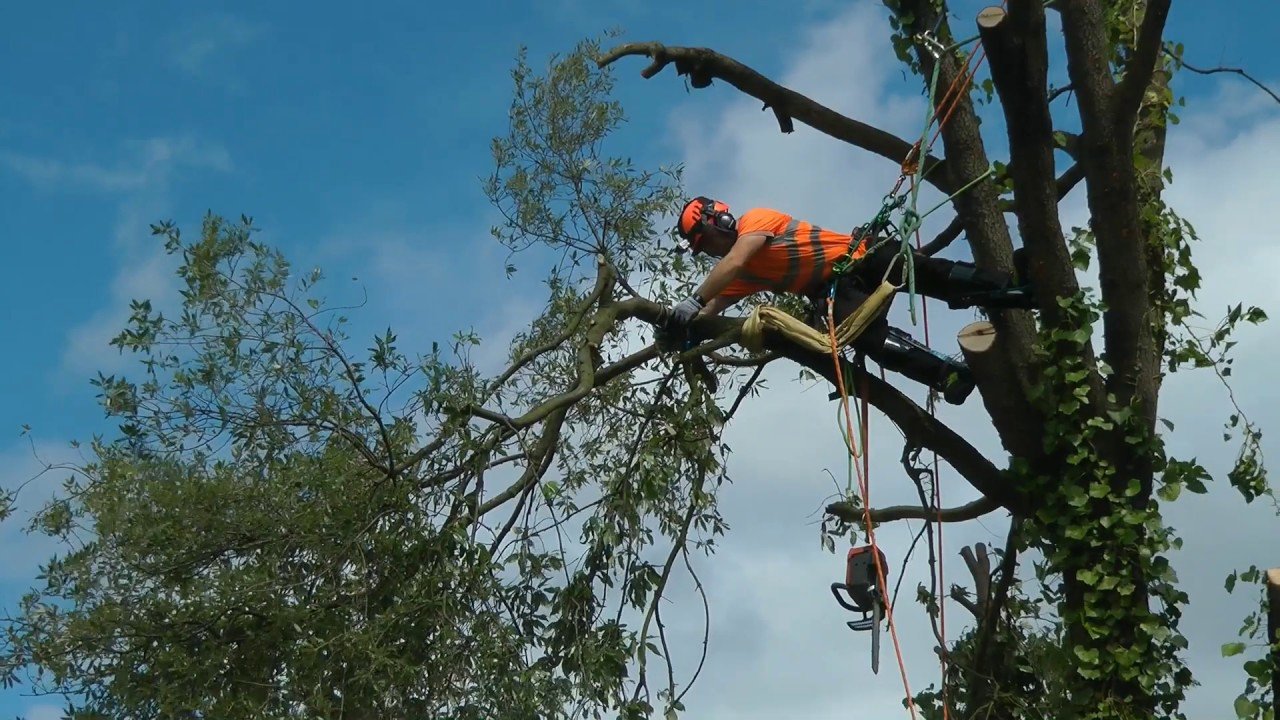
Working at height, using heavy equipment, and managing large branches all present significant risks. Professional tree surgeons undergo specialist training and operate with the correct safety equipment and insurance.
They also understand local regulations, including Tree Preservation Orders (TPOs) that may apply to certain trees in Hull.
Choosing a qualified professional ensures that tree work is completed safely, legally, and with long-term results in mind.
Frequently Asked Questions
How often should trees be inspected by a tree surgeon?
Most experts recommend having trees inspected at least once every one to two years. However, older or larger trees may require more frequent checks, especially after severe storms.
Is tree removal always necessary if a tree becomes diseased?
Not always. Many diseases can be treated through targeted pruning or specialist care. Tree removal is typically considered only when the tree poses a safety risk.
When is the best time for hedge trimming?
Late spring and early autumn are generally ideal for hedge trimming in the UK. However, timing may vary depending on the species and local wildlife considerations.
Can tree surgery improve property value?
Yes. Well-maintained trees and hedges enhance kerb appeal, improve garden usability, and reduce safety risks. This can make a property more attractive to buyers.
Creating a Safer Garden Starts with Proper Tree Care
A beautiful garden should never come at the expense of safety. The role of tree surgery is to ensure that trees remain healthy, balanced, and structurally sound while protecting the surrounding environment.
From careful pruning to responsible tree removal and regular hedge trimming, professional tree care plays a vital role in preventing hazards and maintaining the long-term health of your garden.
For homeowners in Hull, where weather conditions can place extra strain on trees, regular tree maintenance is an investment in both safety and property protection.
If your garden trees have not been inspected recently, now is the ideal time to take action. A qualified tree surgeon can assess their condition, recommend the right care, and help you create a safer outdoor space for years to come.
Comments are closed