
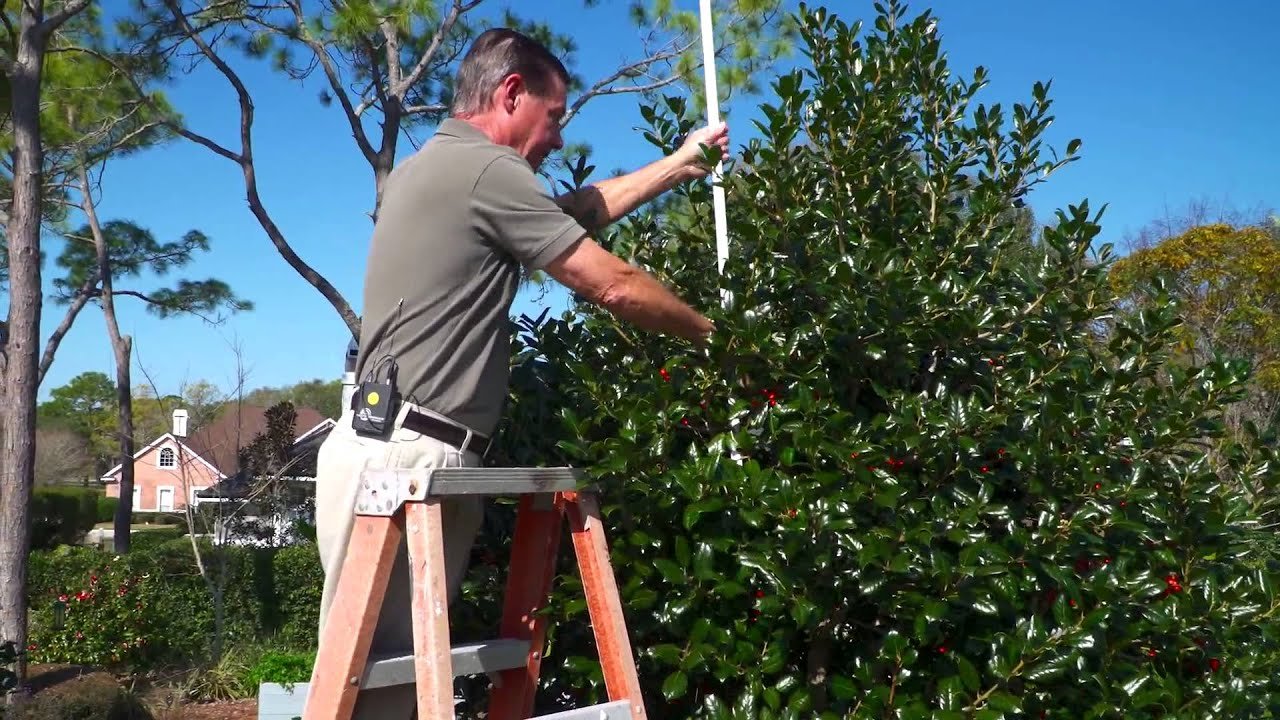
If you’ve ever stood in your garden staring at an overgrown tree and thought, “Should I be cutting this back now, or am I about to make things worse?” you’re not alone. It’s one of the most common questions we hear from homeowners across Hull. And the truth is, pruning at the wrong time doesn’t just affect how a tree looks. It can slow growth, invite disease, or even weaken the structure long-term.
Understanding when is the best time to prune trees in the UK isn’t just about following a calendar. It’s about knowing how trees respond to the seasons, the local climate, and the type of work you’re doing, whether that’s light shaping, crown lifting, or essential deadwood removal.
Why Timing Matters More Than Most People Think
Tree pruning isn’t simply cutting branches to tidy things up. Every cut is a wound, and how well a tree recovers depends heavily on timing.
In Hull, where coastal winds and fluctuating temperatures are part of everyday life, poorly timed pruning can expose trees to fungal infections or stress just when they should be conserving energy. According to the Royal Horticultural Society, most trees respond best to pruning when they are dormant, as this reduces sap loss and limits the risk of disease.
But that doesn’t mean there’s a one-size-fits-all answer. Different species, different goals, and even different weather patterns can shift the ideal timing.
The Best Time to Prune Trees in the UK (Season by Season)
Winter: The Ideal Window for Most Trees
For the majority of deciduous trees, late winter, typically between January and early March, is considered the safest and most effective time to prune.
At this stage, trees are dormant. There are no leaves to block visibility, making it easier to see the structure clearly. More importantly, cuts heal faster once spring growth begins, reducing the risk of infection.
In Hull, where winter tends to be milder than inland regions, this window can be slightly extended, but it’s still important to avoid periods of frost. This is also the perfect time for structural work like shaping and reducing canopy weight.
Spring: Proceed with Caution
Spring is when trees begin actively growing, which makes it a risky time for heavy pruning. Cutting during early spring can lead to excessive sap bleeding in species like birch and maple. While this isn’t always fatal, it can weaken the tree and attract pests.
However, light pruning and deadwood removal are still acceptable during this time, especially if you’re dealing with branches that pose a safety risk.
Summer: Ideal for Maintenance Work
Summer pruning is often overlooked, but it has its place, especially for controlling growth.
If a tree is becoming too dense or blocking light into your home or garden, this is a good time for selective pruning or crown lifting. Removing lower branches during summer can improve airflow and light penetration without encouraging excessive regrowth.
It’s also easier to identify dead or diseased branches when the tree is in full leaf, making targeted maintenance more effective.
Autumn: Generally Best Avoided
Autumn might seem like a convenient time to prune, but it’s usually the worst choice.
As trees prepare for dormancy, their ability to heal is reduced. Cuts made during this period can stay open longer, increasing the risk of fungal infections, especially in damp conditions common in Hull. Unless it’s an emergency, such as storm damage, it’s best to hold off until winter.
Does Tree Type Change the Timing?
Absolutely. One of the biggest mistakes homeowners make is treating all trees the same. Fruit trees, for example, often benefit from summer pruning to encourage better yields. Flowering trees should be pruned after they bloom to avoid cutting off next year’s flowers.
Meanwhile, fast-growing species common in Hull, like sycamore or willow, may require more frequent attention but still respond best to winter pruning for major work. If you’re unsure, this is where professional advice becomes valuable. A qualified tree surgeon will assess the species, condition, and environment before making any cuts.
Common Pruning Techniques and When to Use Them
Crown Lifting
Crown lifting involves removing the lower branches of a tree to increase clearance. This is particularly useful if branches are obstructing pathways, roads, or buildings.
In Hull’s urban areas, where space is often limited, crown lifting is a common request. The best time to carry it out is during late winter or summer, depending on how extensive the work is.
Deadwood Removal
Deadwood removal is one of the few pruning tasks that can be done almost year-round. Dead branches don’t just look untidy. They can fall unexpectedly, especially during strong coastal winds. Removing them promptly improves safety and prevents decay from spreading.
In many cases, this type of work is carried out alongside routine inspections.
Real-World Example: A Hull Garden Gone Wrong
We once worked on a property in Hull where a homeowner had pruned a mature oak tree heavily in early autumn. At first glance, it looked fine. But by the following spring, signs of fungal infection had appeared, and several limbs had weakened.
The issue wasn’t the pruning itself. It was the timing. After corrective work and ongoing monitoring, the tree recovered, but it could easily have been avoided with the right approach from the start.
Signs Your Tree Needs Pruning Now (Regardless of Season)
While timing is important, there are situations where waiting isn’t the right option. If you notice cracked branches, visible decay, or limbs hanging dangerously over your property, it’s better to act quickly. Safety always comes first.
Trees exposed to storm damage, something Hull sees regularly, often need immediate attention to prevent further issues.
The Local Factor: Why Hull’s Climate Matters
Hull’s coastal environment brings its own challenges. High winds, salt exposure, and sudden weather changes can all impact tree health.
This means pruning isn’t just about aesthetics. It’s about resilience. Well-maintained trees are far less likely to suffer storm damage, and regular pruning helps reduce the risk of falling branches.
Local knowledge plays a big role here. What works in southern England doesn’t always translate directly to Hull’s conditions.
Internal and External Resources
If you’re looking to go deeper, you might find it useful to read our guide on tree maintenance and seasonal care on your site’s blog. For authoritative advice, the Royal Horticultural Society also offers detailed pruning recommendations based on species and season.
FAQs: Practical Answers Homeowners Actually Need
When is the best time to prune trees in the UK?
For most trees, late winter is the ideal time. However, this can vary depending on the species and the type of pruning required.
Can I prune trees in summer?
Yes, especially for light maintenance, crown lifting, and controlling growth. It’s often safer than heavy pruning in spring or autumn.
Is it okay to prune trees in autumn?
Generally, no. Trees heal slower in autumn, increasing the risk of disease. It’s best reserved for urgent situations only.
How often should trees be pruned?
Most trees benefit from pruning every 2 to 5 years, but fast-growing species may need more frequent attention.
Do I need a professional tree surgeon?
If the work involves large branches, height, or structural changes, it’s strongly recommended. Poor pruning can cause long-term damage or safety risks.
Final Thoughts: Timing Isn’t Just a Detail, It’s the Difference
Knowing when is the best time to prune trees in the UK can mean the difference between a healthy, well-shaped tree and one that struggles for years after.
It’s not just about cutting branches. It’s about understanding how trees grow, how they respond to the environment, and how to support that growth properly.
Need Expert Tree Pruning in Hull?
If you’re unsure about the right time or approach, it’s always better to get professional advice before making a cut.
At Hull Tree Surgeon, we specialise in safe, effective pruning, including crown lifting and deadwood removal, tailored to local conditions.
Get in touch today to book an assessment and keep your trees healthy, safe, and looking their best.
Comments are closed