
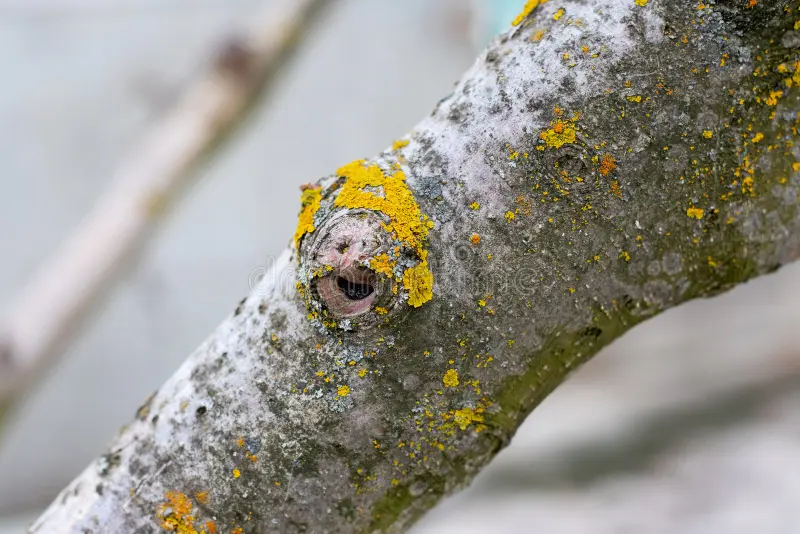
You don’t usually notice a problem with a tree until it’s obvious. Leaves thinning out in summer. Dark patches on the bark. Branches that once looked strong suddenly turning brittle. By the time most homeowners in Hull realise something’s wrong, the damage is already well underway.
That’s the uncomfortable truth about common tree diseases in the UK. They rarely announce themselves loudly. Instead, they creep in quietly, often mistaken for seasonal change or minor stress. And in a coastal climate like Hull, where wind, moisture, and fluctuating temperatures are part of daily life, trees are even more vulnerable.
The good news is that early signs are there if you know what to look for. And spotting them early can mean the difference between a simple treatment and full tree removal.
Why Tree Diseases Are Increasing in the UK
Across the UK, tree health has become a growing concern. According to the Forestry Commission, diseases like ash dieback have already affected millions of trees, reshaping entire landscapes.
In places like Hull, several factors make the problem worse. Damp conditions encourage fungal growth, while strong coastal winds can weaken tree structures, making them more susceptible to infection. Add in urban pollution and compacted soil, and you’ve got the perfect environment for disease to spread.
This is why regular inspections and professional tree surgery are no longer optional. They’re essential maintenance.
Ash Dieback: The Most Widespread Threat
Ash dieback is arguably the most talked-about disease in the UK, and for good reason. It has devastated ash populations nationwide and continues to spread.
In its early stages, you might notice leaves turning black or wilting prematurely. As the disease progresses, branches begin to die back from the tips, and the bark can develop diamond-shaped lesions.
In Hull, where ash trees are common along roads and in gardens, this disease is particularly concerning. Once a tree is significantly affected, it becomes structurally unsafe. At that point, tree removal is often the only responsible option, especially in residential areas.
Dutch Elm Disease: A Silent Killer
Dutch elm disease has been around for decades, but it still catches people off guard. It spreads through bark beetles, which carry the fungus from tree to tree. The first sign is usually yellowing leaves in early summer, often on just one branch. This can quickly spread throughout the tree, causing rapid decline.
One of the challenges with this disease is how quickly it moves. What looks like a minor issue in June can become irreversible by August. In these cases, crown lifting and selective pruning may help if the infection is localised. But if the disease has spread extensively, removing the tree is often necessary to prevent it from affecting nearby elms.
Honey Fungus: The Underground Threat
Not all tree diseases are visible above ground. Honey fungus works beneath the surface, attacking the roots and cutting off the tree’s ability to absorb water and nutrients.
Above ground, symptoms can be misleading. You might see leaves becoming smaller than usual, branches dying back, or a general lack of vigour. In autumn, clusters of honey-coloured mushrooms may appear near the base of the tree.
This disease is particularly tricky because by the time visible signs appear, the root system is often already compromised.
Professional tree surgery plays a key role here, not just in managing the affected tree but also in preventing the fungus from spreading to nearby plants. In severe cases, complete tree removal and soil treatment may be required.
Powdery Mildew: Common but Often Overlooked
Powdery mildew might not sound serious, but it can weaken trees over time if ignored. It appears as a white, powdery coating on leaves, often during warm, dry periods.
In Hull gardens, it’s commonly seen on ornamental trees and younger plants. While it rarely kills a tree outright, it reduces photosynthesis, leaving the tree stressed and more vulnerable to other diseases.
Early intervention is straightforward. Pruning affected areas and improving air circulation through crown lifting can make a significant difference. It’s a good example of how small, proactive steps can prevent larger problems down the line.
Bacterial Canker: A Growing Concern
Bacterial canker affects a range of trees, including cherry, plum, and maple. It causes sunken, dead areas on the bark, often accompanied by a sticky, dark ooze.
Leaves may develop brown spots or fall prematurely, and branches can die back over time.
In Hull’s climate, where moisture levels are relatively high, bacterial infections can spread quickly. Early detection is crucial. Removing infected branches through careful tree surgery can help contain the disease. If left untreated, however, the infection can spread into the main trunk, at which point saving the tree becomes far more difficult.
Early Warning Signs You Should Never Ignore
Most tree diseases follow a similar pattern. The challenge is recognising the early signals before they escalate.
Changes in leaf colour outside of autumn should always raise questions. Uneven growth, thinning canopies, and deadwood are also common indicators. Cracks in the bark or unusual fungal growth at the base of the tree are more serious warning signs.
In many cases, homeowners assume these changes are seasonal or weather-related. But in reality, they’re often the first signs of deeper issues.
This is where regular inspections come in. A trained professional can spot subtle changes that are easy to miss, recommending the right course of action before the problem becomes severe.
The Role of Professional Tree Care in Hull
Tree care isn’t just about aesthetics. It’s about safety, longevity, and protecting your property. In urban areas like Hull, diseased trees can become hazardous, especially during storms. Weak branches are more likely to fall, and compromised root systems can lead to entire trees collapsing.
Professional tree surgery ensures that trees remain structurally sound. Techniques like crown lifting improve light penetration and airflow, reducing the risk of fungal growth. And when necessary, controlled tree removal prevents further damage to surrounding areas. Working with experienced specialists also means you’re getting advice tailored to local conditions, which makes a significant difference in outcomes.
FAQs About Common Tree Diseases
How can I tell if my tree is diseased or just stressed?
It’s not always obvious. Stress from weather or soil conditions can mimic disease symptoms, but persistent issues like dead branches, unusual growth patterns, or fungal presence often point to disease.
Can tree diseases spread to other plants in my garden?
Yes, many diseases, including honey fungus and Dutch elm disease, can spread. That’s why early intervention is so important.
Is it always necessary to remove a diseased tree?
Not always. In many cases, early-stage diseases can be managed with tree surgery. Removal is usually a last resort when the tree becomes unsafe or beyond recovery.
How often should trees be inspected?
At least once a year is recommended, though high-risk trees or those in exposed areas like Hull may need more frequent checks.
What is crown lifting, and how does it help?
Crown lifting involves removing lower branches to improve airflow and light. This helps reduce moisture build-up, which is a key factor in many fungal diseases.
Final Thoughts: Act Early, Save More Than Just the Tree
Tree diseases rarely fix themselves. Left alone, they almost always progress, turning what could have been a manageable issue into a costly problem.
If you’ve noticed changes in your trees, even small ones, it’s worth taking seriously. Early action not only protects the health of the tree but also prevents risks to your property and those around it.
If you’re based in Hull and want peace of mind, consider arranging a professional inspection. Whether it’s preventative tree surgery, targeted crown lifting, or safe tree removal, getting expert advice early can save time, money, and potentially your tree. And in many cases, that early decision is what makes all the difference.
Comments are closed