

When a tree falls unexpectedly or poses an imminent danger after a storm, knowing what actions to take can prevent further damage to your property and protect your family. Emergency tree removal is an essential service for many Hull homeowners, but responding without a proper plan can lead to additional problems. This guide will prepare you for such urgent situations, ensuring you make the right decisions quickly and efficiently.
Why Emergency Tree Removal is Essential
Storms, strong winds, or diseases can severely weaken trees, causing them to become safety hazards. An unstable or falling tree risks damaging roofs, power lines, vehicles, or even endangering lives. Acting swiftly with the help of a professional tree surgeon minimises these risks and contains costs effectively.
To take informed action during an emergency, you need to recognise the warning signs, understand the process, and know how to choose reliable experts. Here’s what you need to know.
Warning Signs a Tree Needs Emergency Removal
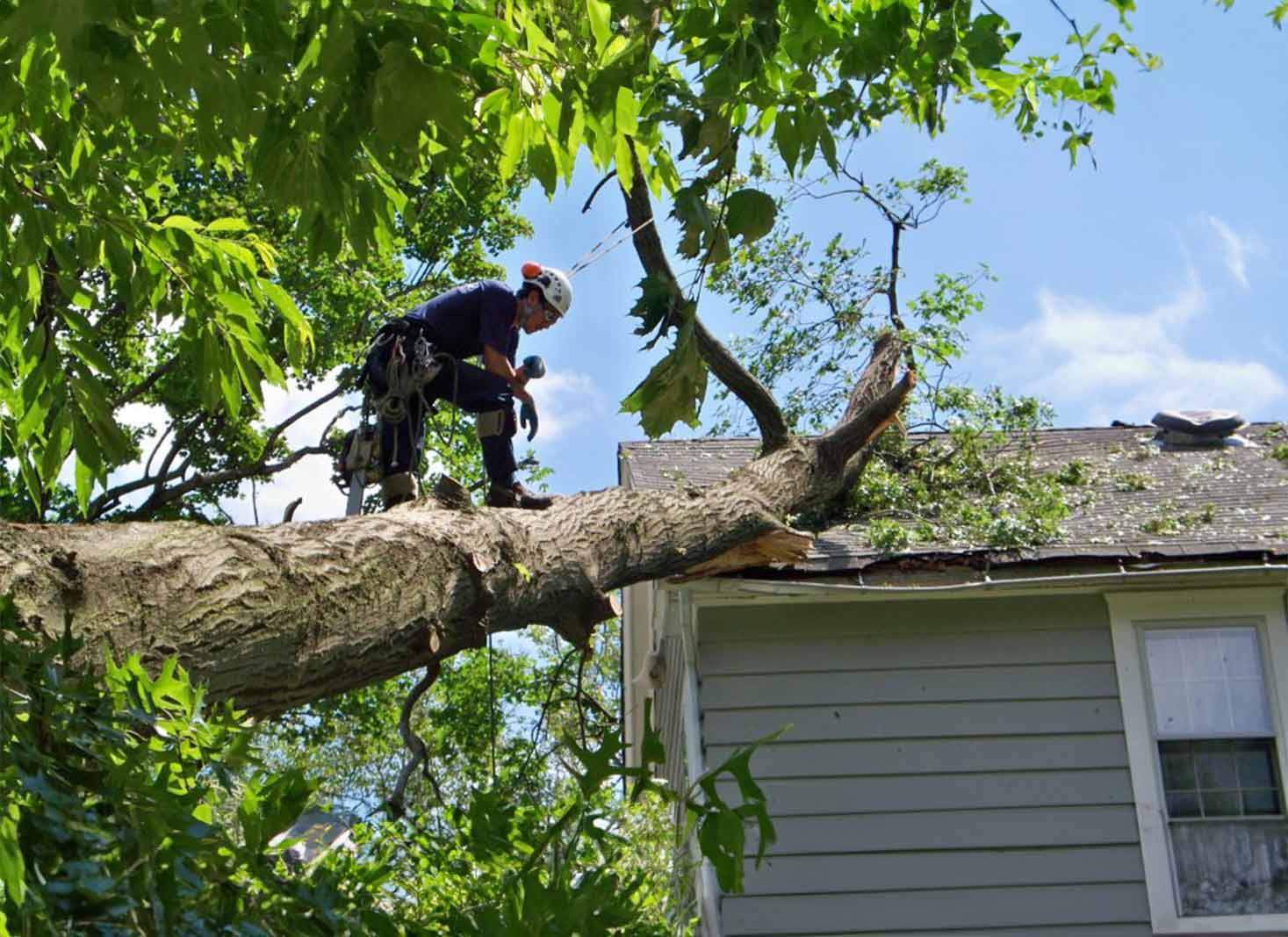
Spotting early signs of risk can help you prevent a catastrophe before it happens. Look out for the following:
1. Leaning Trees
- A tree that suddenly starts leaning is a serious hazard.
- High winds or soil erosion near the roots can destabilise it.
- Contact professionals immediately to assess the risk.
2. Broken or Damaged Branches
- Large branches damaged during storms suggest structural instability.
- Hanging branches, often called “widowmakers,” are particularly dangerous and require immediate attention.
3. Root Issues
- Exposed or decaying roots undermine the tree’s stability.
- Check for soil displacement or uprooting, especially after heavy rainfall.
4. Splits or Cracks in the Trunk
- Deep splits signal internal weaknesses and increase the likelihood of tree collapse, particularly in windy conditions.
5. Signs of Disease or Decay
- Indicators include fungal growth, hollow sections, or significantly dead wood.
- Diseased trees are more vulnerable to falling unexpectedly.
Now that you know what to watch for, here’s how to handle an emergency effectively.
Step-by-Step Guide to Emergency Tree Removal
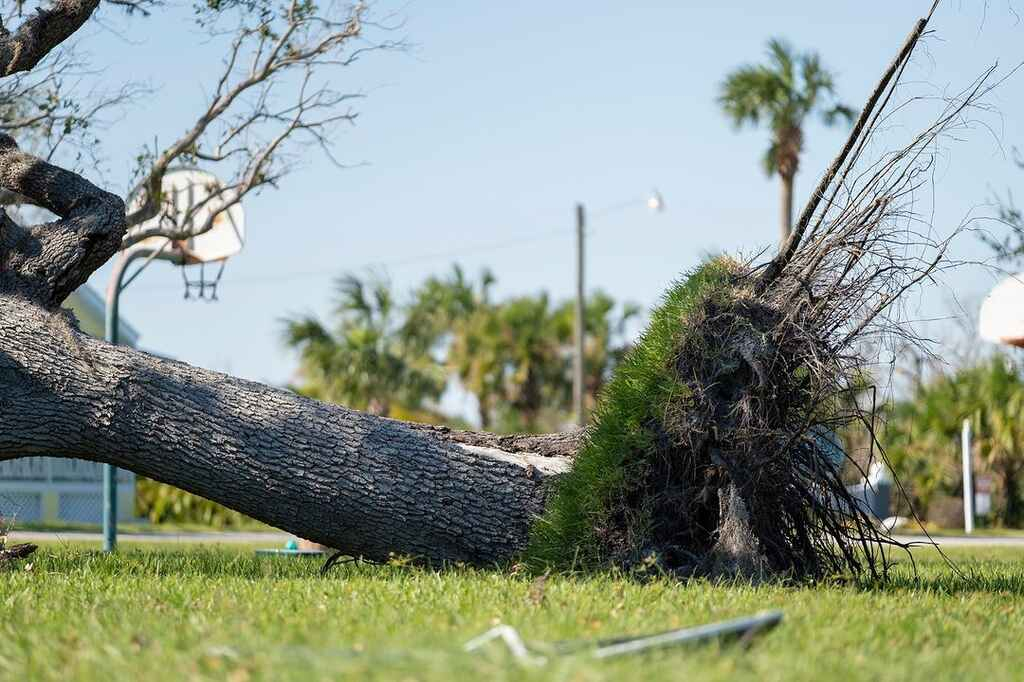
When faced with an urgent tree-related issue, follow these practised steps to address the situation safely and efficiently:
Step 1. Evaluate the Danger
- Avoid approaching the tree, particularly if it’s near power lines or has leaning branches.
- Safely assess the area from a distance to determine the severity of the risk.
- Refrain from attempting amateur removal, as it can make the situation worse.
Step 2. Secure the Area
- Mark off the hazardous zone to keep pets, children, and other individuals clear of danger.
- Notify nearby neighbours if the tree impacts shared spaces, driveways, or roads.
Step 3. Contact a Certified Tree Surgeon
- Search for local, reputable tree surgeons in Hull experienced in emergency situations.
- Verify their qualifications, certifications, and insurance coverage.
- Hull Tree Surgeon offers 24/7 emergency services and is fully equipped for rapid response.
Step 4. Schedule an On-Site Inspection
- The tree surgeon will assess the tree’s condition, determine the safest removal method, and offer a detailed quote.
- Discuss potential aftercare requirements like stump grinding or additional tree maintenance.
Step 5. Allow the Professionals to Carry Out the Removal
- Experts use high-grade equipment like cranes and ropes for controlled removal, ensuring nearby structures and utilities remain unaffected.
- Trust their judgement to handle even the most complicated jobs.
Step 6. Plan for Post-Removal Recovery
- Consider replanting or landscaping the affected area after the emergency is addressed.
- Ongoing affordable tree care services can help ensure long-term property safety and visual appeal.
Tip: Identifying a trusted tree surgeon, like Hull Tree Surgeon, in advance can save valuable time during crises.
Why You Should Always Rely on Professionals
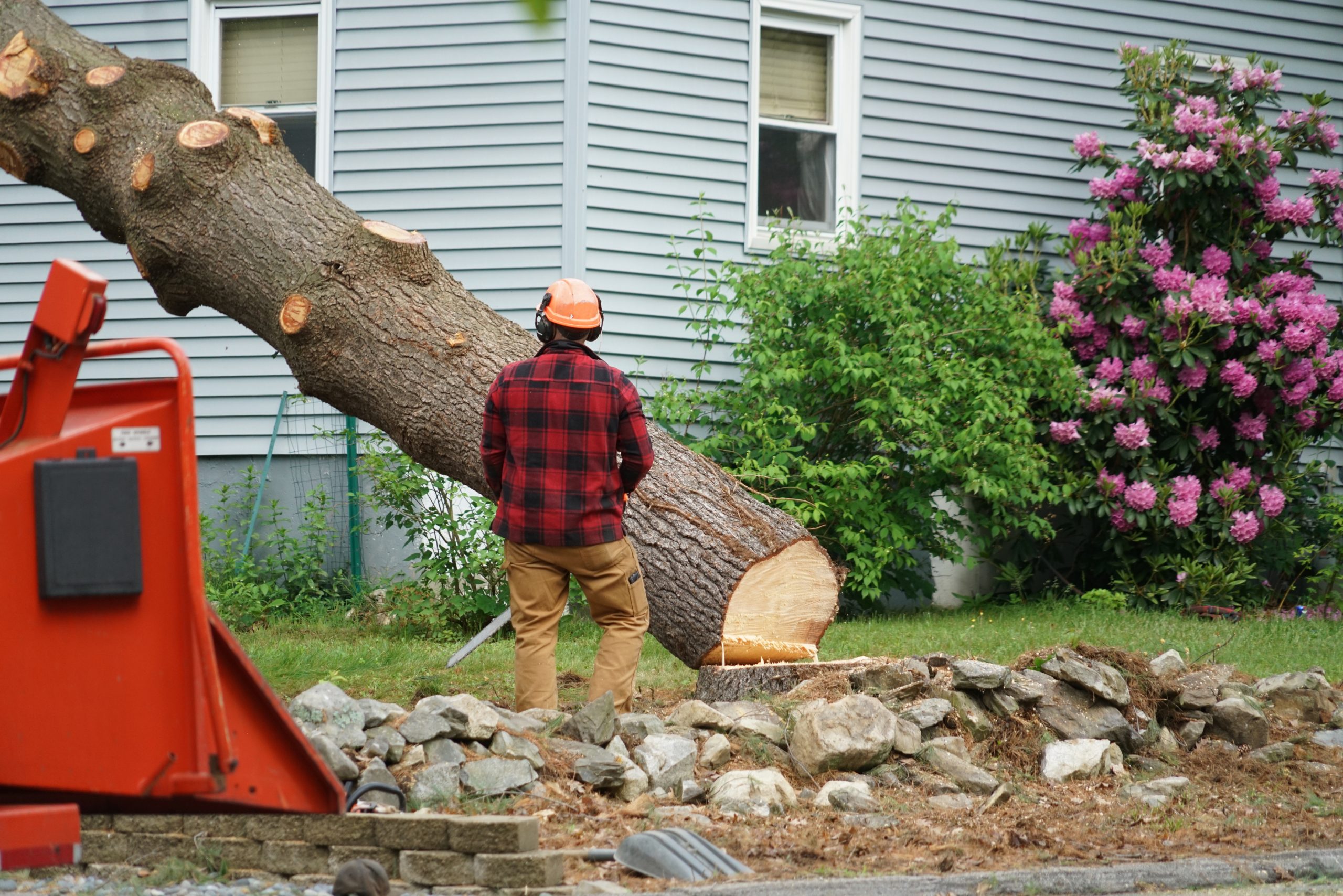
Attempting to handle emergency tree removal yourself is not only unsafe but also inefficient. Here’s why hiring certified experts is always the better option:
1. Guaranteed Safety and Expertise
- Professional arborists follow strict safety procedures, reducing risks to property and individuals.
- They are trained to operate in high-pressure, dangerous situations, including work near power lines.
2. Specialist Tools and Techniques
- Professional tree surgeons have access to tools such as cranes, stump grinders, and chainsaws suited for precision work.
- Using improper or household tools for tree removal can result in hazards and incomplete work.
3. Property Damage Prevention
- Experts employ techniques to safely dismantle and remove trees without causing harm to nearby buildings, lawns, or fences.
4. Insurance Protection
- Certified professionals carry full liability insurance, covering any unforeseen incidents that may occur during emergency operations.
Story from Hull
After a strong gale caused a large tree in Hull to crash into a shed, the homeowner contacted Hull Tree Surgeon. The team promptly removed the debris and ensured surrounding trees were stable, significantly reducing future risks. Their full insurance coverage also put the homeowners at ease throughout the process.
Still have questions? Here are answers to common concerns about emergency tree removal.
FAQs on Emergency Tree Removal
1. How urgent is a leaning tree?
Leaning trees should be addressed immediately to prevent collapse. Delays can result in severe damage or injury during high winds.
2. Can storm-damaged trees be saved?
It depends on the extent of the damage. Minor structural issues may be treated with pruning or bracing, while severely damaged trees often require removal.
3. What are the added costs for stump grinding?
Stump grinding is an additional service but is highly advisable to eliminate hazards and prevent regrowth.
4. How do I find a certified tree surgeon near me?
Look for contractors with strong reviews, full insurance, and recognised certifications such as NPTC or City & Guilds.
5. Is stump grinding safe for gardens?
Yes. Stump grinding removes the trunk without disturbing surrounding greenery or soil.
6. What precautions should I take before the professionals arrive?
Mark out the hazard zone, remove obstacles blocking equipment access, and notify neighbours of potential disruptions.
7. How often should trees be inspected to prevent emergencies?
Annual inspections are recommended, especially for properties exposed to frequent storms or high winds.
8. Should I attempt tree removal myself?
No. Without the necessary expertise and tools, DIY attempts are unsafe and may result in injuries, property damage, or additional costs.
9. Does Hull Tree Surgeon offer round-the-clock services?
Yes. You can rely on us for 24/7 emergency response across Hull. Call 01482 699534 for immediate assistance.
Keep Your Property Safe with Hull Tree Surgeon Don’t wait for disaster to strike before addressing potentially hazardous trees. Hull Tree Surgeon is dedicated to providing reliable services encompassing emergency tree removal, routine maintenance, and tree pruning near you. With our highly skilled and fully insured team, your property is in safe hands.
Call us today on 01482 699534 to schedule a consultation or request emergency assistance. Look no further than Hull Tree Surgeon to safeguard your home and landscape with precision and professionalism!
Comments are closed