
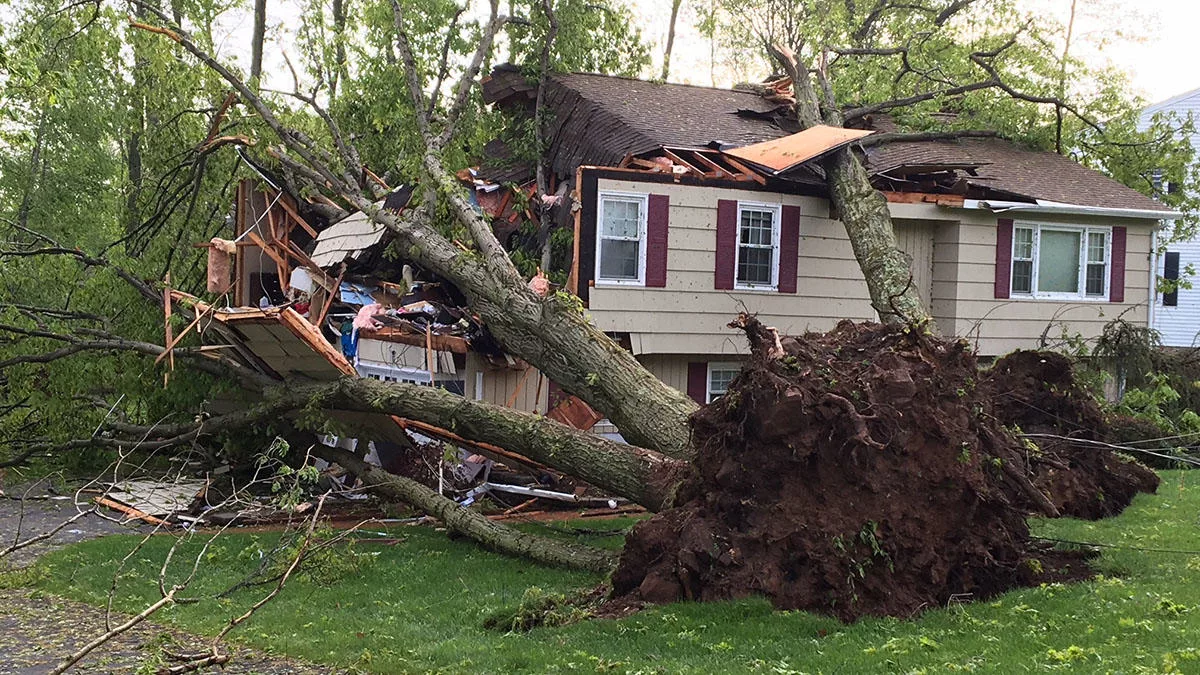
Storms have a way of turning an ordinary night into a stressful morning. You wake up, pull back the curtains, and there it is a fallen branch blocking your driveway, a leaning tree dangerously close to your home, or worse, damage to your roof. In a city like Hull, where coastal weather can shift quickly, storm damage isn’t rare. The real question is: what do you do next?
Understanding how to respond quickly and safely is where Emergency Tree Services in Hull become essential. Acting too slowly or making the wrong call can turn a manageable situation into a costly one.
Why Storm Damage to Trees Should Never Be Ignored
After a storm, it’s tempting to assume things will “settle down” on their own. But damaged trees rarely fix themselves. In fact, they often become more unstable over time.
In Hull’s windy climate, weakened trees can collapse days or even weeks after a storm. Cracked trunks, partially fallen limbs, and uprooted roots create serious hazards for people, vehicles, and nearby buildings.
According to the Royal Horticultural Society, structural damage in trees significantly increases the risk of delayed failure, especially after heavy winds or saturated soil conditions. This is why quick action matters. Emergency tree care isn’t just about clearing debris, it’s about preventing the next incident.
First Steps to Take Immediately After Storm Damage
The moments after discovering tree damage can feel overwhelming, but staying calm and taking the right steps makes all the difference.
Start by assessing the situation from a safe distance. If there are hanging branches, exposed roots, or trees leaning toward your property, avoid going near them. Even a slight shift can cause sudden collapse.
Next, check for immediate dangers. If a tree has damaged power lines, stay well clear and contact your local utility provider. Electricity and fallen trees are a dangerous combination that should never be handled without professionals.
If access to your home is blocked or there’s visible structural damage, it’s time to call for Emergency Tree Services in Hull. Many local services operate 24/7 specifically for these situations.
When to Call Emergency Tree Services in Hull
Not every fallen branch requires urgent attention, but some situations do. If a tree has fallen onto your home, car, or public pathway, it’s no longer just a garden issue, it becomes a safety concern. Similarly, if a tree is partially uprooted or leaning heavily, it poses an immediate risk of falling.
Experienced tree surgeons in Hull are trained to assess these risks quickly. They use specialised equipment to stabilise or remove trees safely, even in tight or hazardous spaces.
One thing homeowners often underestimate is how unpredictable damaged trees can be. What looks stable may not be. That’s why relying on professionals isn’t just convenient, it’s necessary.
The Role of Crown Lifting and Deadwood Removal
Once the immediate danger is handled, longer-term tree care comes into play. This is where services like Crown Lifting and Deadwood Removal become important.
Crown lifting involves removing the lower branches of a tree to increase clearance. After a storm, this helps reduce the weight and wind resistance of the canopy, making the tree more stable in future weather conditions.
Deadwood removal, on the other hand, focuses on cutting away dead or weakened branches. These are often the first to fall during storms. By removing them early, you significantly reduce the risk of future damage. Both techniques are not just reactive solutions, they’re preventative strategies that protect your property in the long run.
A Real-World Example from Hull
After a severe winter storm in East Yorkshire, a homeowner in Hull noticed a large tree leaning toward their garage. At first glance, it didn’t seem urgent. But within 48 hours, the ground became more saturated, and the tree shifted further.
By the time emergency services were called, the situation had escalated. The tree required controlled dismantling using cranes, which increased both the complexity and cost of the job.
Had the homeowner contacted Emergency Tree Services in Hull earlier, the tree could have been stabilised or removed more simply. This kind of scenario isn’t unusual. It highlights how timing plays a crucial role in both safety and cost.
How Professionals Handle Emergency Tree Work
Emergency tree surgeons don’t just arrive with chainsaws and start cutting. The process is far more structured. First, they carry out a risk assessment. This includes checking the tree’s stability, identifying hazards, and planning the safest removal approach. In urban areas like Hull, this often involves working around buildings, fences, and nearby roads.
Specialist equipment such as rigging systems, harnesses, and sometimes cranes are used to remove sections of the tree safely. This controlled method prevents further damage to your property. Qualified professionals also ensure that all waste is cleared properly, leaving your space safe and usable again.
Preventing Future Storm Damage
While you can’t control the weather, you can reduce the risk of storm-related tree damage. Regular inspections are key. Trees that are well-maintained are far less likely to fail during strong winds. Identifying weak branches, disease, or structural issues early allows for preventative action.
Services like Deadwood Removal and Crown Lifting should be part of routine maintenance, especially for older or larger trees. In Hull’s coastal environment, where wind exposure is higher, this becomes even more important.
It’s also worth considering seasonal checks. Before winter storms arrive, having a professional assess your trees can save you from emergency situations later.
Choosing the Right Emergency Tree Service in Hull
Not all tree services are the same, especially when it comes to emergencies. Look for companies that are fully insured and have certified arborists. Membership with organisations like the Arboricultural Association is a good sign of professionalism and adherence to industry standards.
Experience in handling storm damage is equally important. Emergency work requires quick decision-making and the ability to work under pressure. It’s also worth checking response times. In urgent situations, delays can increase risks and costs.
FAQs About Emergency Tree Services in Hull
What qualifies as a tree emergency?
A tree emergency usually involves immediate risk to people or property. This includes fallen trees, hanging branches, or trees leaning dangerously after a storm.
Can I remove a fallen tree myself?
In most cases, it’s not recommended. Damaged trees are unstable and can shift unexpectedly. Professional equipment and expertise are essential for safe removal.
How quickly can emergency tree services respond?
Many services in Hull offer same-day or 24-hour response, especially after major storms when demand is high.
Will my insurance cover storm-damaged trees?
It depends on your policy. Some home insurance plans cover damage caused by fallen trees, particularly if they affect structures. It’s best to check with your provider.
Final Thoughts: Acting Fast Can Save More Than Just Your Garden
Storm damage is unpredictable, but your response doesn’t have to be. Acting quickly, calling the right professionals, and investing in preventative care can make a significant difference.
If you’re dealing with tree damage or want to avoid future problems, don’t wait until the next storm hits. Reach out to a trusted provider of Emergency Tree Services in Hull and get expert advice tailored to your property.
Comments are closed