
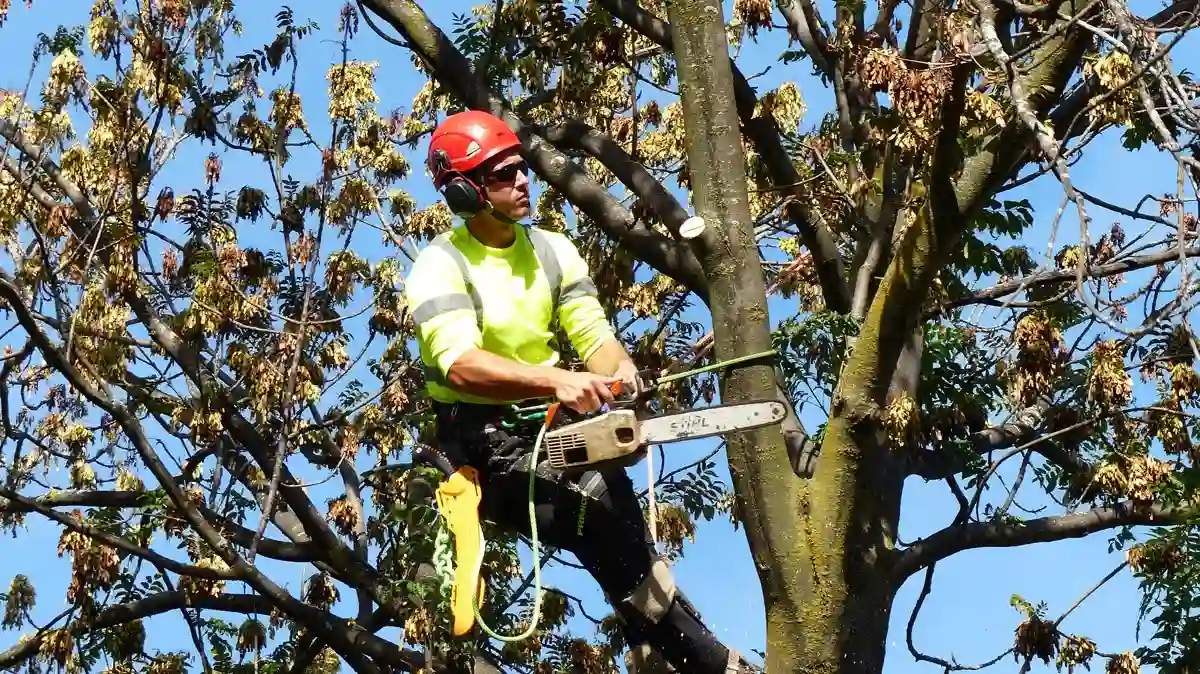
Storms can change the look and safety of a property in a matter of minutes. One moment your trees stand tall and steady, and the next you are staring at broken branches, leaning trunks, and debris scattered across the garden. Every year, households in Hull deal with strong winds and heavy rain that put real pressure on mature trees. When this happens, the first question homeowners ask is how tree surgeons manage storm damaged trees and whether the situation can be made safe quickly.
The truth is that storm damage is unpredictable. A tree that seemed perfectly healthy can suddenly split down the centre, while an older tree might surprise you by standing firm. Understanding how professionals approach these situations can help you make better decisions about safety, repairs, and long-term care.
Understanding the Impact of Storm Damage on Trees
Storm damage does not always reveal itself immediately. Some trees show clear signs of distress with cracked limbs, hanging branches or a trunk that leans further than before. Others hide internal fractures that only become obvious days later. Many tree surgeons in Hull notice the same pattern after severe weather. Trees that grow in open areas or close to the Humber coastline often take the hardest hit because they are more exposed to constant winds and salt in the air.
The way a tree reacts to a storm depends on its species, age, root structure and overall health. A younger tree may flex in the wind and recover, while an older tree with weakened roots may twist and partially uproot. This is why a professional inspection is essential. What looks like a small problem from a distance can be a serious hazard up close.
The First Step: Making the Area Safe
Safety is always the first priority for any tree surgeon dealing with storm damage. When a team arrives on site, they begin by assessing the risks. They look for branches that might fall at any moment, electrical cables caught in the canopy, or sections of the tree that have become unstable. These issues need immediate attention because even a light breeze can cause loose branches to drop.
Once the area is secure, the tree surgeon maps out the safest way to approach the damaged tree. This varies from job to job. Sometimes the solution is simple and involves cutting away a few broken branches. Other times, the tree is too unstable to climb, which means specialised equipment such as lifts, ropes, or support systems will be used. Working in storm damaged conditions is never taken lightly, and every move is planned with care.
Professional Tree Surgery Techniques for Damaged Trees
Tree surgeons use a variety of methods to restore or remove storm damaged trees. The approach depends on the extent of the damage and whether the tree can be saved. One of the most common techniques is targeted pruning. This involves removing damaged sections in a way that allows the tree to heal naturally. If the damage is minor and the tree is healthy, pruning can be enough to return it to a safe condition.
However, when the structure of the tree is compromised, more advanced work is required. In some cases, tree surgeons use bracing or cabling to support weakened limbs and reduce strain. This can give the tree a chance to recover without risk of failure. It is a method often used on larger or historic trees that hold value for the homeowner or surrounding landscape.
Managing Partially Uprooted Trees
One of the most challenging situations after a storm is dealing with a tree that has partially lifted from the ground. A tree leaning heavily or with exposed roots is extremely unstable. Many homeowners assume these trees can be pushed back into place, but this often causes more harm. The root system may be too damaged to recover, and the tree will remain a risk even if it appears upright.
Tree surgeons in Hull handle these cases with caution. They evaluate how much of the root plate has lifted and whether the tree shows signs of life. If there is a chance of recovery, the tree may be supported and monitored. If not, tree removal is the safest route. This protects both the property and the surrounding landscape.
Hedge Trimming and Garden Clean Up After Storms
While trees take the brunt of storm damage, hedges often suffer as well. Heavy winds can strip foliage, break branches and leave hedges uneven or sparse. Hedge trimming is normally part of the storm recovery process. A clean and even trim helps the hedge regain shape and encourages healthy regrowth. It also improves the overall appearance of the garden after an unsettling weather event.
A full garden clean up may also be required. Storms scatter moss, leaves and broken wood across paths, lawns and driveways. Professional teams work methodically to clear this debris, leaving your outdoor spaces neat and safe to use again.
How Tree Surgeons Decide Whether a Tree Can Be Saved
Not every storm damaged tree needs to be removed. Many can recover with the right treatment. Tree surgeons look at several factors when making their decision. They consider the level of damage, age of the tree, condition of the trunk and strength of the root system. A healthy tree with one or two damaged limbs has a strong chance of survival. A tree that is decayed, hollow or cracked at the base is less likely to recover safely.
Experience plays a major role in this decision making process. A skilled tree surgeon can often tell from years in the field which trees will bounce back and which pose a long-term risk. Their judgment helps homeowners make informed choices rather than emotional ones.
Preventing Future Storm Damage
Prevention is a major part of tree care. Regular tree surgery helps maintain strong structure and reduces the chance of severe damage during a storm. Pruning encourages healthy growth, removes weak limbs and improves balance. Checking trees each year allows small problems to be addressed before they develop into hazards. Many homeowners in Hull choose routine tree care for peace of mind, especially in areas exposed to strong coastal winds.
When to Call a Professional Tree Surgeon
It is important not to attempt repairs yourself. Storm damaged trees can behave unpredictably. Branches that look secure can fall without warning, and unstable trees can shift with the slightest pressure. Calling a professional ensures the job is completed safely and correctly.
If you notice cracks, leaning trunks, broken branches or exposed roots after a storm, do not delay an inspection. Early action can prevent further damage to your home and garden.
Final Thoughts
Storm damaged trees can be stressful to deal with, but the right tree surgeon will guide you through the process with confidence and clarity. From assessing safety to restoring your garden, each step is handled with care and expertise. Taking action quickly keeps your property safe and allows your trees to recover where possible.
Comments are closed