
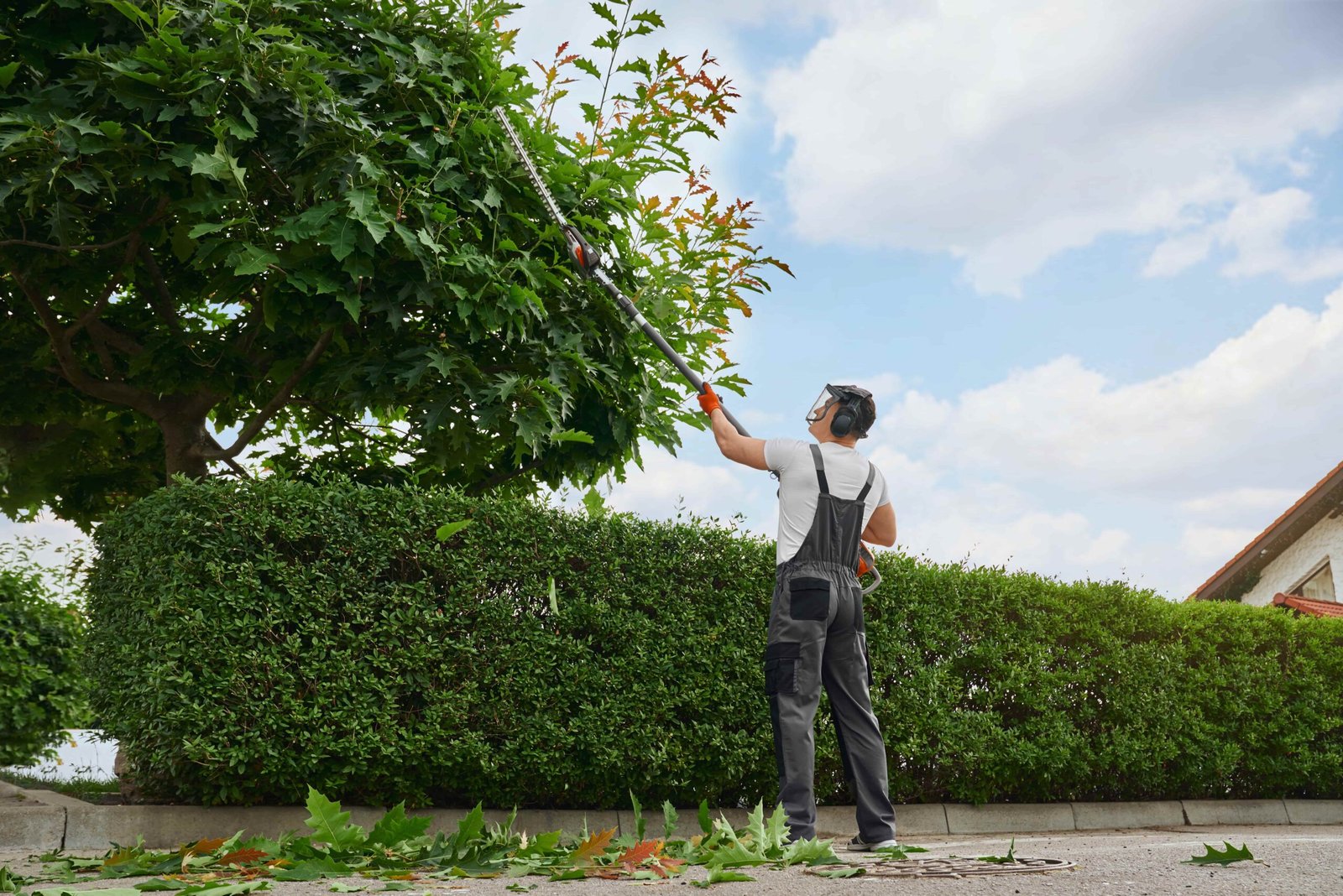
Trees add character, shade, and natural beauty to a property. In places like Hull, where gardens and green spaces play an important role in residential areas, a healthy tree can dramatically improve the appearance and value of a property. However, many homeowners underestimate how quickly an unmaintained tree can become a safety risk.
Branches weakened by disease, storm damage, or natural ageing can fall without warning. Overgrown limbs may interfere with roofs, driveways, or nearby power lines. In fact, the UK’s Health and Safety Executive reports that falling trees and branches cause injuries and property damage every year, particularly during periods of strong wind or storms.
This is where professional tree pruning becomes essential. Proper pruning is not simply about cutting branches to improve appearance. It is a skilled process that protects tree health, improves structural stability, and reduces potential hazards. Understanding how professional tree pruning improves tree health and safety can help property owners make informed decisions about maintaining their trees responsibly.
Understanding Professional Tree Pruning
Professional tree pruning is the careful removal of specific branches to improve the tree’s structure, growth, and overall health. Unlike casual trimming, professional pruning is guided by arboricultural knowledge and follows industry standards such as those outlined by the British Standard BS3998 for tree work.
Tree surgeons assess several factors before making any cuts. These include the species of tree, its age, its growth pattern, and any signs of disease or structural weakness. The goal is to encourage healthy growth while preventing potential risks.
In Hull and other coastal regions where strong winds are common, professional pruning also helps trees withstand harsh weather conditions. Properly maintained trees are far less likely to suffer branch failure during storms.
How Professional Tree Pruning Improves Tree Health and Safety
Removing Diseased and Damaged Branches
One of the most important benefits of professional pruning is the removal of diseased or damaged limbs. When a tree branch becomes infected with fungi, pests, or decay, the problem can spread throughout the tree if left untreated.
Deadwood removal is particularly important in older trees. Dead branches may appear harmless, but they become brittle over time and can snap unexpectedly, posing a danger to people, vehicles, and nearby structures. By carrying out professional Deadwood Removal, arborists reduce these risks while extending the life of the tree.
Improving Air Circulation and Sunlight Exposure
Trees require a balance of sunlight and airflow to thrive. When branches become too dense, the canopy can trap moisture and limit sunlight from reaching inner foliage. This environment creates ideal conditions for fungal diseases such as powdery mildew or leaf spot.
Professional pruning thins the canopy slightly, allowing sunlight and air to move through the tree more freely. This process strengthens foliage, improves photosynthesis, and promotes healthier growth patterns. Over time, this simple improvement can significantly enhance the long-term vitality of the tree.
Strengthening the Tree’s Structure
Not all tree branches grow in stable directions. Some develop weak angles where they connect to the trunk, making them vulnerable to breakage during strong winds. Professional pruning focuses on removing structurally weak branches before they become dangerous. Arborists reshape the canopy so that weight is distributed evenly across the tree.
This structural balance is particularly important for mature trees in residential areas of Hull, where falling branches could damage property or injure pedestrians. By strengthening the tree’s natural framework, pruning helps it remain stable and resilient during storms.
Crown Lifting and Why It Matters
Another technique used in professional pruning is Crown Lifting. This involves removing the lower branches of a tree to raise the height of the canopy. Crown lifting is especially useful for trees growing near footpaths, roads, or driveways. By lifting the crown, tree surgeons create safe clearance for pedestrians and vehicles.
Beyond improving access, crown lifting also enhances light penetration in gardens. Many homeowners in Hull choose this technique to allow more sunlight to reach lawns, flowerbeds, or patios.When performed correctly, crown lifting maintains the natural shape of the tree while improving both safety and usability of outdoor spaces.
Preventing Storm Damage and Property Risks
Hull’s coastal climate often brings strong winds and seasonal storms. Trees with dense or unbalanced canopies are far more likely to suffer damage during extreme weather. Professional pruning reduces wind resistance by thinning and shaping the canopy. This allows wind to pass through the tree more easily rather than pushing against a solid mass of branches.
According to the Arboricultural Association, trees that receive routine pruning are significantly less likely to experience structural failure during storms. For homeowners, this preventative maintenance can protect roofs, fences, vehicles, and neighbouring properties from costly damage.
When Tree Removal Becomes Necessary
While pruning solves many issues, there are situations where a tree may be too damaged or diseased to save. Severe decay, root instability, or extensive structural weakness can make a tree unsafe. In these cases, professional Tree Removal may be the safest option.
Qualified tree surgeons will conduct a thorough assessment before recommending removal. Their goal is always to preserve trees where possible, but safety must come first when a tree becomes a hazard. In urban environments like Hull, safe removal requires specialised equipment and expertise to prevent damage to surrounding structures.
Why Professional Expertise Matters
Tree pruning might appear straightforward, but improper cutting can cause long-term damage. Poorly placed cuts may expose the tree to disease, weaken its structure, or disrupt natural growth patterns.
Professional arborists understand the biology of trees and use techniques that support healthy regeneration. They also work safely at height using specialised equipment and protective gear. This significantly reduces the risk of accidents during complex pruning work.
In many cases, experienced tree surgeons can identify early warning signs of disease or structural problems that property owners might miss. Their knowledge ensures that each pruning decision benefits the tree rather than harming it.
The Environmental Benefits of Healthy Trees
Maintaining healthy trees is not only beneficial for property owners but also for the wider environment. Trees play a crucial role in improving air quality, reducing urban heat, and supporting wildlife habitats. According to the Woodland Trust, mature trees can absorb significant amounts of carbon dioxide each year while providing shelter for birds and insects.
Proper pruning helps preserve these environmental benefits by ensuring trees remain healthy and stable for decades.Healthy urban trees contribute to greener, more liveable communities across cities like Hull.
Frequently Asked Questions
How often should trees be professionally pruned?
Most mature trees benefit from professional pruning every three to five years. Younger trees may require more frequent shaping to guide healthy growth, while older trees may need inspections to monitor structural stability.
What time of year is best for tree pruning?
In the UK, late winter or early spring is often ideal for pruning many species because trees are dormant. However, some trees may require pruning at different times depending on their growth cycle.
Is deadwood removal really necessary?
Yes, removing dead branches is essential for safety. Deadwood becomes brittle over time and can fall unexpectedly, particularly during strong winds or storms.
Can pruning help prevent tree diseases?
Proper pruning improves airflow and sunlight exposure, both of which reduce the risk of fungal infections and other common tree diseases.
When should a tree be removed instead of pruned?
Tree removal may be necessary when a tree is severely diseased, structurally unstable, or poses a significant risk to nearby buildings or public safety.
Final Thoughts
Trees are one of the most valuable natural assets a property can have. They enhance outdoor spaces, support local wildlife, and add long-term value to homes and communities.
However, maintaining tree health requires professional care and expertise. Understanding how professional tree pruning improves tree health and safety highlights the importance of regular inspections, proper maintenance, and skilled arboricultural practices.
Techniques such as Crown Lifting, Deadwood Removal, and, when necessary, Tree Removal ensure trees remain safe, strong, and healthy for years to come.
For property owners in Hull, investing in professional tree care is not just about aesthetics. It is about protecting people, property, and the environment.
Need Professional Tree Pruning in Hull?
If your trees are overgrown, damaged, or simply due for maintenance, working with experienced tree surgeons can make all the difference. Professional pruning keeps your trees healthy while protecting your property from potential hazards.
Contact a trusted local tree care specialist in Hull today to schedule an inspection and ensure your trees remain safe, beautiful, and structurally sound for the future.
Comments are closed