
If you’ve noticed your trees looking dense, heavy, or struggling to get enough light, you’re not alone. Many homeowners across Hull experience this, especially with mature trees that haven’t been professionally pruned for years. One of the most reliable ways to restore a tree’s health without altering its natural appearance is crown thinning. But what exactly does this technique involve, and how can qualified tree surgeons use it to keep your trees healthier, safer, and longer-lasting?
This guide breaks down everything you need to know, with insights shaped by real experience from Hull Tree Surgeon.
What Is Crown Thinning? A Clear Explanation
Crown thinning is a specialist tree surgery method in which selective branches are removed from within the crown. The purpose is not to change the size or shape of the tree, but to improve its internal structure by allowing more light and air to flow through the canopy. When performed correctly, the tree looks natural, balanced and healthy, but without the density that can lead to long-term issues.
Many homeowners mistake crown thinning for crown reduction or crown lifting. However, thinning provides a more subtle, health-focused result, making it one of the most recommended techniques for preserving mature trees throughout Hull.
Why Crown Thinning Matters for Tree Health
A tree with an overcrowded canopy faces numerous challenges. Branches compete for sunlight, air becomes trapped inside the crown, and moisture builds up—especially in Hull’s coastal climate. This creates the perfect conditions for disease and internal decay.
A carefully thinned crown gives the tree room to breathe and grow, significantly improving its condition.
1. Better Air Circulation Lowers the Risk of Disease
Dense canopies trap moisture, especially during Hull’s wet seasons. When branches sit too close together, air cannot circulate properly, which increases the likelihood of fungal infections such as leaf spot or mildew.
Crown thinning prevents this by creating space within the canopy. Once airflow improves, moisture dries naturally, keeping leaves and branches healthier. In many mature neighbourhoods across Hull, such as Sutton, Kingswood and Newland, residents often notice fewer diseased leaves and stronger growth just one season after thinning.
2. More Sunlight Reaches the Inner Canopy
Sunlight is essential for photosynthesis. When dense outer branches block all the light, interior branches weaken and eventually die off. This leads to scattered deadwood, a thinning trunk area and an overall reduction in tree strength.
By removing select branches, tree surgeons allow balanced sunlight to reach all levels of the crown. This boosts growth, strengthens weaker branches, and restores the tree’s natural vitality. Improved sunlight penetration also benefits surrounding gardens, lawns become brighter, plants receive more energy and shaded areas recover.
3. Reduced Wind Resistance Enhances Tree Stability
Trees in Hull face strong, coastal winds throughout the year. A dense crown works like a sail, catching the wind and increasing the risk of branches snapping or the tree leaning dangerously.
Thinning the crown allows wind to pass through more easily, easing pressure on major limbs and reducing the likelihood of storm damage. Homeowners often choose crown thinning after a storm exposes cracks or weaknesses in their trees. The process strengthens the tree against future weather events, providing peace of mind.
4. Balanced Weight Distribution Supports Structural Strength
A tree with too much weight concentrated in one area becomes unstable. This imbalance can cause limbs to split, especially in larger species like oak, beech and willow. When a tree surgeon thins the crown, they focus on removing branches that create uneven stress.
This redistribution of weight protects the trunk and main limbs, reducing the risk of sudden breakage. It is especially important for trees positioned near driveways, roofs, conservatories or garden seating areas.
5. Crown Thinning Encourages Healthy, Controlled Growth
Rather than forcing rapid upward growth like some improper pruning methods do. Crown thinning supports steady and balanced development. Once excess density is removed, the tree directs its energy towards producing healthier leaves, stronger branches and a more stable crown structure.
Homeowners often notice an improvement in leaf quality, colour and density the following year. With consistent, professional care, crown thinning contributes to the long-term health and lifespan of the tree.
How Professional Tree Surgeons in Hull Perform Crown Thinning
Initial Tree Assessment
A qualified tree surgeon begins by assessing the species, age, density and overall condition of the tree. They look for signs of disease, weak limbs, structural problems or overcrowded areas. This evaluation helps them create a thinning plan tailored to the tree’s specific requirements.
Strategic Branch Selection
Instead of removing branches randomly, tree surgeons identify the ones causing congestion, crossing over others, showing signs of decay or limiting airflow. They also consider how each cut will affect the tree’s shape and strength. The goal is to enhance the natural structure, not alter it.
Safe and Controlled Pruning
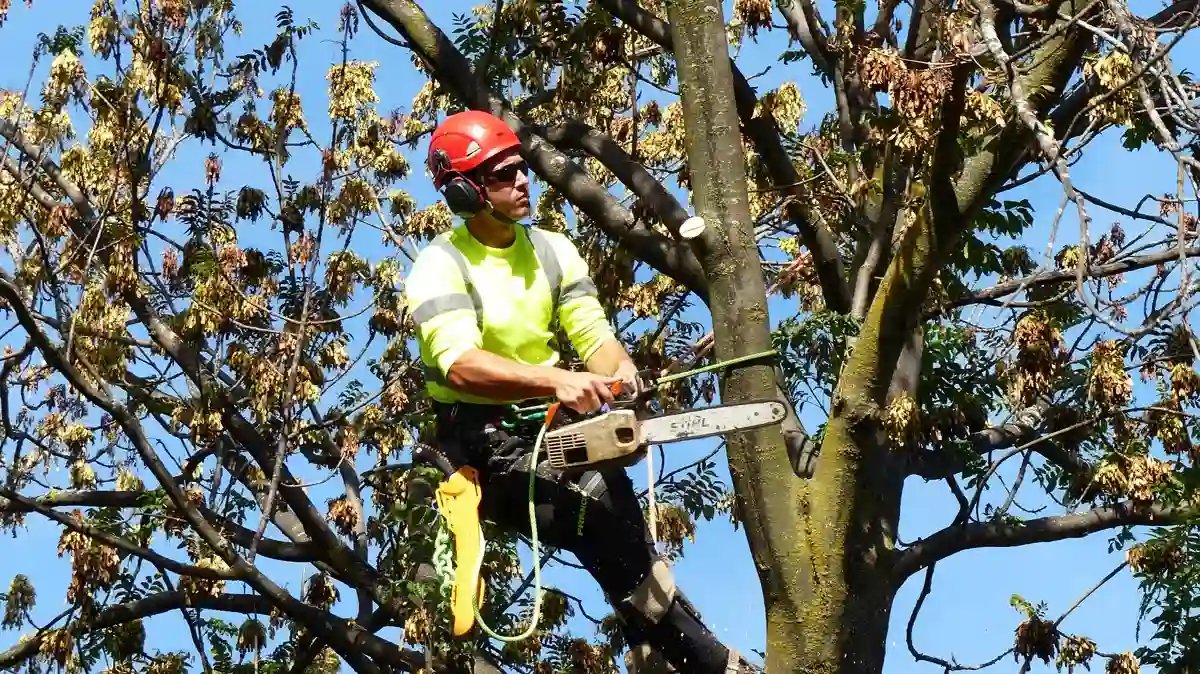
Professionals use climbing harnesses, ropes and specialist cutting tools to ensure each branch is removed safely and cleanly. This prevents bark tearing, unnecessary damage and unbalanced thinning. Every cut is made with long-term tree health in mind.
Final Structural Review
After thinning, the tree surgeon checks the crown to ensure it has an even, natural shape. They inspect airflow patterns, light distribution and any remaining congested areas. The final crown should look balanced not too sparse, not too heavy.
Best Time for Crown Thinning in Hull
Most crown thinning is carried out between late autumn and early spring, when trees are less active and can heal more efficiently. However, some species benefit from midsummer thinning to reduce sap bleeding. A local specialist like Hull Tree Surgeon can advise you on the safest timing for your specific tree.
How Crown Thinning Works Alongside Other Tree Services
Tree Surgery
Crown thinning forms part of a wider range of tree surgery services that improve safety, structure and long-term growth. It pairs well with crown lifting or selective pruning for a full health strategy.
Tree Removal Services
If a tree is severely diseased, damaged or structurally unsafe, thinning may not be enough. In such cases, complete tree removal services becomes the safest option. Professional tree surgeons ensure the process is handled safely and responsibly.
Stump Removal
After a tree is removed, the stump can attract pests, interfere with landscaping or create trip hazards. Stump removal ensures a clean, safe and usable space in your garden.
Signs Your Tree May Need Crown Thinning
You may need crown thinning if you notice your garden becoming unusually dark, branches rubbing together, a build-up of deadwood, or increased risk during storms. Leaning trees, poor leaf growth or interior branches are also clear indicators that thinning would be beneficial.
Why Hiring a Qualified Tree Surgeon Matters
Crown thinning requires careful judgement and expert technique. Removing too much can shock the tree, while removing too little may not resolve the problem. A qualified tree surgeon understands species behaviour, safe climbing methods and correct pruning techniques, ensuring the job is done properly and safely.
Final Thoughts
Crown thinning is one of the most valuable and health-focused techniques available in modern tree surgery. By improving airflow, enabling better sunlight penetration and reducing wind resistance, it helps trees thrive naturally while enhancing safety for you and your property. When performed by experienced professionals, it supports long-term strength and vitality without changing the tree’s natural beauty.
Call to Action
If your trees are looking dense, overgrown or unsafe, Hull Tree Surgeon is here to help. We offer expert crown thinning, tree surgery, tree removal and stump removal services across Hull.
Get in touch today to schedule a professional assessment and keep your trees healthy throughout the year.
Comments are closed