
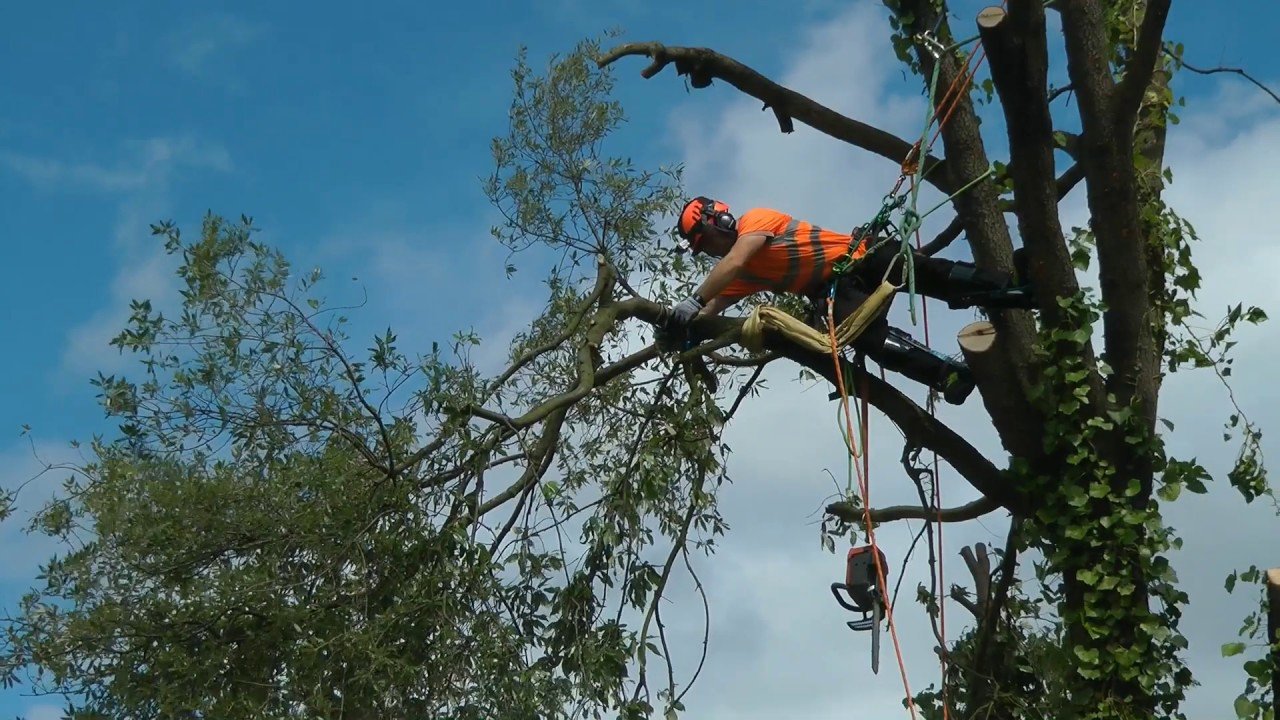
If you own a property in Hull, chances are your garden plays a bigger role than you think. It is where children play, where pets roam, and where potential buyers quietly make judgments. Yet trees, often the most valuable feature in a garden, are also one of the most overlooked risks. Overgrown branches, hidden decay, or unstable growth rarely cause concern until something goes wrong. By then, the damage is already done.
This is where the real value of professional tree surgery becomes clear. Not as a cosmetic upgrade, but as a practical investment in safety, longevity, and property value. Understanding how tree surgery improves garden safety and property value helps homeowners make smarter, preventative decisions rather than reactive ones.
When Trees Become a Liability Instead of an Asset
Most people assume trees are safe as long as they are standing. In reality, many of the most dangerous tree issues are not visible from the ground. Internal decay, unbalanced canopies, and deadwood high in the crown can remain unnoticed for years. In a city like Hull, where high winds and seasonal storms are common, these weaknesses are regularly exposed.
Local authorities and insurers increasingly view unmanaged trees as a liability. According to UK insurance data, falling trees and branches cause thousands of pounds in property damage every year, much of it avoidable through basic maintenance. A single fallen limb can damage roofs, fences, vehicles, or injure someone in the garden. From a legal standpoint, homeowners have a duty of care to ensure trees on their property do not pose a foreseeable risk.
Tree surgery addresses these risks before they escalate. It is not about removing trees unnecessarily, but about managing them responsibly.
The Safety Benefits Go Beyond the Obvious
One of the most immediate ways tree surgery improves safety is through deadwood removal. Dead branches may appear harmless, but once decay sets in, they can fall without warning. Removing deadwood reduces the chance of sudden branch failure, particularly during storms or high winds.
Another key intervention is crown lifting, which involves removing lower branches to increase clearance beneath the tree. In gardens, this improves visibility and reduces the risk of head injuries or collisions, especially in spaces used by children or where paths and driveways pass underneath trees. It also prevents branches from rubbing against buildings, which can cause long-term structural damage.
Professional tree surgeons also assess root stability and soil conditions. In areas with heavy clay soil, common around Hull, root movement and waterlogging can destabilise trees over time. Early intervention prevents complete failure, which is both dangerous and expensive to deal with after the fact.
Healthier Trees Are Safer Trees
Tree surgery is not only about cutting away risk. It is also about improving tree health so problems are less likely to develop in the first place. Poor airflow, overcrowded branches, and unbalanced growth patterns all increase stress on a tree.
Selective pruning improves structural integrity by encouraging stronger branch unions and balanced growth. This reduces wind resistance and lowers the likelihood of branches snapping under pressure. Healthier trees are more resilient to disease, pests, and extreme weather.
There is also a long-term benefit here. Well-maintained trees live longer, require fewer emergency interventions, and remain an asset rather than a concern.
The Direct Impact on Property Value
Estate agents rarely list “unsafe trees” as a drawback, but buyers notice. Overgrown or neglected gardens subtly signal higher future maintenance costs and potential risks. Conversely, a well-maintained outdoor space suggests the property has been looked after properly.
Studies from UK property surveys consistently show that attractive, usable gardens can increase property value by up to 10 percent. Trees play a major role in that perception when they are clearly managed and healthy. Crown lifting allows more light into the garden, making outdoor spaces feel larger and more inviting. Deadwood removal and professional pruning create clean sightlines and reduce the sense of clutter.
For buyers, this translates into confidence. They are not inheriting a problem that will need urgent attention after moving in.
Tree Surgery and Mortgage or Insurance Considerations
An often overlooked aspect of tree surgery is how it affects insurance and mortgage approvals. Insurers may refuse claims if it can be shown that a homeowner ignored visible tree risks. Mortgage lenders and surveyors also flag trees that pose a potential threat to buildings, drains, or neighbouring properties.
A documented history of professional tree maintenance reassures both insurers and surveyors. It demonstrates that risks have been assessed and managed responsibly. In some cases, proactive tree surgery prevents delays or renegotiations during a property sale.
Local Knowledge Matters in Hull
Tree surgery is not a one-size-fits-all service. Hull’s coastal climate, salt exposure, and soil conditions affect tree growth patterns differently than inland areas. Species that thrive elsewhere may require more frequent intervention locally to remain safe.
Experienced local tree surgeons understand these conditions. They can identify early signs of stress specific to the area and apply techniques suited to the environment. This local expertise is a key part of EEAT, not just technical skill, but contextual knowledge built through experience.
Real-World Example: Prevention Over Repair
A common scenario seen by tree surgeons in Hull involves mature garden trees overhanging neighbouring properties. One homeowner delayed maintenance for years, assuming the tree was healthy. After a winter storm, a large dead limb fell, damaging a fence and narrowly missing a conservatory. The cost of emergency removal and repairs far exceeded what routine maintenance would have cost.
In contrast, neighbouring properties with regular inspections and pruning experienced no damage. The difference was not luck, but preparation.
FAQs About Tree Surgery, Safety, and Property Value
Does tree surgery mean removing trees completely?
No. Most professional tree surgery focuses on preservation and risk reduction, not removal. Techniques like crown lifting and deadwood removal are designed to keep trees healthy and safe.
How often should trees be inspected?
For residential gardens, a professional inspection every one to two years is usually sufficient, with additional checks after major storms.
Will tree surgery make my garden look bare?
When done correctly, tree surgery improves the natural shape of trees. Gardens often feel brighter and more spacious without losing privacy or character.
Can tree surgery really increase property value?
Yes. Well-maintained gardens with healthy trees improve first impressions, reduce buyer concerns, and can positively influence valuation.
A Practical Investment, Not an Optional Extra
Tree surgery is often treated as something to deal with when there is a problem. In reality, it works best as preventative care. By addressing risks early, homeowners protect their families, their property, and the long-term value of their investment.
If you are considering selling, insuring, or simply enjoying your garden with peace of mind, professional tree surgery is one of the most cost-effective improvements you can make.
If you would like to understand how your trees are affecting safety and value, speak to a qualified local tree surgeon in Hull. An expert assessment today can prevent costly problems tomorrow and ensure your garden remains an asset, not a liability.
Comments are closed