
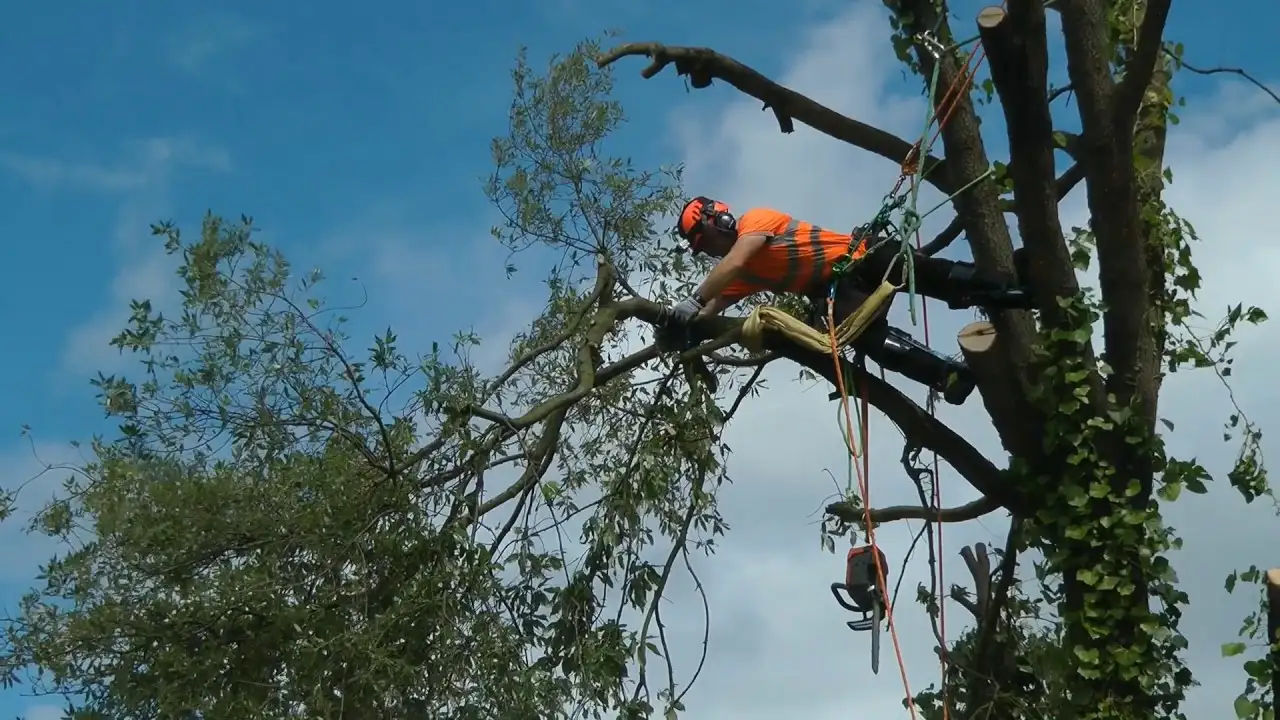
Tree removal often starts with a practical concern. A tree is leaning a little too close to the house, roots are lifting paving slabs, or branches are blocking light. In Hull, where older residential streets and mature trees sit side by side, these situations are common. What many homeowners do not realise is that removing a tree is rarely just a practical decision. The legal aspects of tree removal can turn a simple job into a costly mistake if the rules are ignored.
Understanding the legal aspects of tree removal is not about red tape for the sake of it. It exists to protect the environment, neighbouring properties, and homeowners themselves. This guide explains how the law works in Hull, when permission is required, and how professional tree surgery can help you stay on the right side of regulations while protecting your property.
Why Tree Removal Is Regulated in the UK
Tree protection laws in the UK are rooted in long-term environmental planning rather than short-term inconvenience. Mature trees help manage flood risk, improve air quality, and support wildlife. In urban areas like Hull, they also play a major role in shaping neighbourhood character.
Local authorities have a legal duty to balance private property rights with wider environmental responsibilities. That is why cutting down or heavily pruning a tree can be restricted, even when the tree stands on land you own. Many enforcement cases arise not from deliberate damage but from homeowners acting first and checking later.
Tree Preservation Orders and Hull’s Local Rules
A Tree Preservation Order, commonly known as a TPO, is one of the most important legal controls homeowners need to understand. A TPO protects specific trees or entire groups of trees from unauthorised work. This includes cutting down, topping, lopping, uprooting, or even damaging roots.
In Hull, TPOs are managed by Hull City Council. If a tree is protected, you must receive written permission before any work begins. Breaching a TPO is a criminal offence and can lead to substantial fines, even if the tree removal was unintentional or well-meaning.
Conservation Areas and Automatic Tree Protection
Even if a tree is not covered by a TPO, it may still be protected if your property lies within a conservation area. Large parts of Hull include conservation zones where trees with a trunk diameter above a certain size are automatically protected.
In these areas, homeowners must give the council at least six weeks’ written notice before carrying out tree removal or significant pruning. This notice period allows the council to assess the tree and decide whether a formal preservation order should be applied.
When Tree Removal Is Allowed Without Permission
There are limited situations where tree removal can proceed without prior consent. Dead trees, dying trees, or those posing an immediate danger can usually be removed, but this area is more complex than it sounds.
The burden of proof lies with the property owner. If challenged, you may need to demonstrate that the tree was genuinely dangerous or beyond saving. Photographic evidence, arborist reports, and written assessments from qualified tree surgery professionals can be critical here.
This is one reason professional tree surgery is not just about safe cutting techniques. Experienced contractors understand how to document work correctly and protect homeowners from legal disputes after the job is done.
Neighbour Disputes and Boundary Trees
Legal issues do not stop at council permissions. Trees that sit near boundaries or overhang neighbouring properties are a frequent source of conflict. While neighbours generally have the right to cut back branches that cross onto their land, they do not have the right to remove the tree itself or damage it.
Roots causing damage to drains, patios, or foundations are particularly sensitive. Liability can depend on whether the damage was foreseeable and whether reasonable steps were taken once the issue was identified. This is another area where informal DIY decisions often escalate into formal disputes.
Stump Removal and What the Law Still Covers
Many homeowners assume that once a tree is cut down, the legal issues disappear. This is not always true. Stump removal can still fall under the same legal controls as tree removal, especially if the original tree was protected.
Removing a stump without permission can be treated as completing the unauthorised destruction of a protected tree. Even grinding out a stump may require approval in conservation areas or where TPOs apply.
How Professional Tree Surgery Reduces Legal Risk
Tree surgery is not just about chainsaws and climbing gear. A reputable contractor understands local planning rules, health and safety law, wildlife protection legislation, and insurance requirements.
In Hull, experienced tree surgeons often deal directly with council departments on behalf of homeowners. They prepare applications, provide arboricultural reports, and advise on whether removal is genuinely necessary or whether pruning offers a safer legal alternative.
This level of expertise is difficult to replicate without training and experience, and it is one of the strongest arguments against unqualified or cash-in-hand work.
Real Consequences of Getting It Wrong
Across the UK, councils pursue enforcement cases every year for unlawful tree removal. Fines can reach tens of thousands of pounds, and in some cases, homeowners are required to plant replacement trees at their own expense.
In Hull, enforcement action has increasingly focused on repeat offenders and cases where professional advice was ignored. These cases underline a simple truth. Most legal trouble around tree removal is avoidable with the right guidance at the start.
FAQs: Legal Aspects of Tree Removal in Hull
Do I need permission to remove a tree in my garden in Hull?
You may need permission if the tree is protected by a Tree Preservation Order or located within a conservation area. It is always safest to check with the local council or a qualified tree surgeon before starting work.
What happens if I remove a protected tree without permission?
Unauthorised removal of a protected tree is a criminal offence. Penalties can include heavy fines and a requirement to replace the tree.
Can I remove a dangerous tree immediately?
Dangerous trees can usually be removed without prior permission, but you must be able to prove the risk. Professional assessments and photographic evidence are strongly advised.
Does stump removal need permission?
In some cases, yes. If the original tree was protected, stump removal may still require approval from the council.
Can a tree surgeon handle permissions for me?
Many professional tree surgery companies manage applications, reports, and council communication as part of their service.
Final Thoughts and What to Do Next
The legal aspects of tree removal are often underestimated until something goes wrong. In Hull, where planning controls and conservation priorities are taken seriously, understanding the rules is essential before any cutting begins.
If you are considering tree removal, tree surgery, or stump removal, the safest next step is professional advice. A qualified local expert can assess your situation, explain your legal position clearly, and ensure that any work carried out protects both your property and your peace of mind.
Comments are closed