
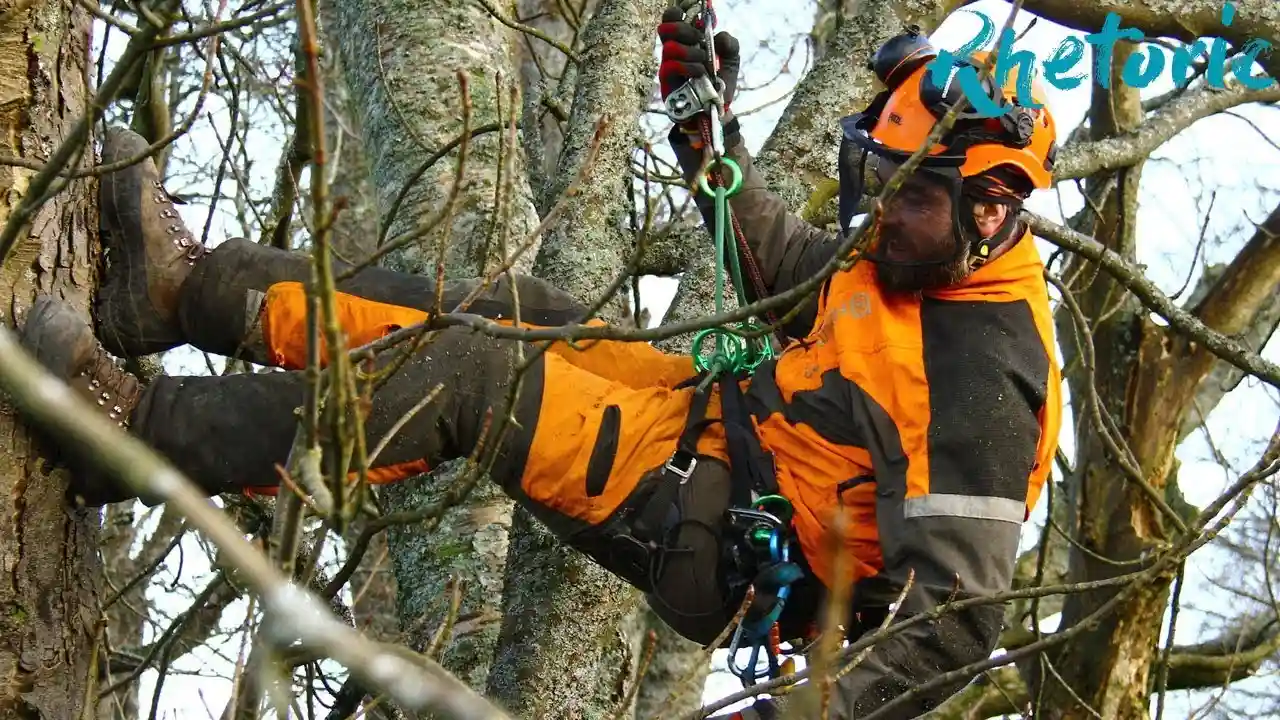
If you have ever stood in your garden wondering whether you are actually allowed to cut back a tree, you are not alone. In places like Hull, trees are often close to neighbouring properties, pavements, and roads, which makes tree work more than just a matter of maintenance. One wrong decision can lead to fines, disputes, or even legal action. Understanding Local Regulations for Tree Surgery in the UK is not just good practice. It is essential.
Tree surgery sits at the intersection of property rights, environmental protection, and public safety. As someone who has worked around trees for years, I can say with confidence that most problems start when homeowners assume they can do whatever they like with trees on their land. UK law does not work that way, especially in urban areas such as Hull where planning controls are strict.
This guide walks you through how the regulations work, what applies locally, and how services like Tree Removal Services, Crown Lifting, and Deadwood Removal fit within the law.
Why Tree Surgery Is Regulated in the UK
Trees are protected because they provide public benefit. They improve air quality, reduce flooding risk, support wildlife, and soften the urban landscape. Because of this, UK legislation treats trees as shared environmental assets, even when they sit inside your boundary.
Local authorities are legally required to manage and protect trees. In Hull, this responsibility sits with Hull City Council, which enforces national planning law at a local level. Their role is not to make life difficult for homeowners but to balance private needs with wider community impact.
The most important thing to understand is that tree surgery is not automatically permitted just because a tree is on your land.
Tree Preservation Orders and Conservation Areas in Hull
One of the most common legal barriers homeowners face is the Tree Preservation Order, often shortened to TPO. A TPO protects specific trees or groups of trees that offer significant public value. Once a tree is covered by a TPO, you cannot cut it down, prune it, or even carry out crown work without formal consent.
Hull also contains conservation areas where additional restrictions apply. In these zones, you must give the council six weeks’ written notice before carrying out most tree work, even if there is no TPO in place. This allows the council time to assess whether the tree should receive further protection.
Ignoring these requirements can result in unlimited fines. I have seen cases where homeowners paid more in penalties than the cost of the original tree surgery.
When Tree Removal Services Are Legally Allowed
Tree Removal Services are often where regulations are strictest. Removing a tree entirely has a permanent impact, so councils treat it seriously.
Removal may be permitted if the tree is dead, dying, or dangerous. However, even dead trees can be protected under a TPO. In Hull, evidence is usually required, such as a professional tree surgeon’s report or photographs showing decay or structural failure.
Emergency situations are treated differently. If a tree presents an immediate risk to people or property, work can be carried out without prior consent. That said, you are still expected to notify the council as soon as possible and keep records to justify the decision.
Crown Lifting and the Legal Grey Areas
Crown Lifting is one of the most misunderstood aspects of tree surgery. Many homeowners believe lifting the lower branches is minor work that does not require permission. In reality, crown lifting changes the structure and appearance of the tree, which means it can still fall under TPO or conservation area controls.
In Hull’s residential areas, crown lifting is often requested to improve light, clear footpaths, or prevent branches from interfering with buildings. Councils are generally reasonable when applications are well justified, especially if the work improves safety without harming the tree’s long-term health.
The key is proportion. Excessive crown lifting can destabilise a tree and is far more likely to be refused.
Deadwood Removal and Duty of Care
Deadwood Removal is usually viewed more favourably by local authorities because it reduces risk. Removing dead branches helps prevent falling debris, which is a major concern in public and shared spaces.
Under UK law, property owners have a duty of care to ensure trees do not pose a foreseeable danger. In Hull, this is particularly relevant near roads, pavements, and neighbouring homes. While deadwood removal is often allowed without formal consent, protected trees may still require notification before work begins.
A qualified tree surgeon will know how to balance safety with legal compliance, ensuring only dead or hazardous wood is removed.
Why Professional Tree Surgeons Matter
From an EEAT perspective, this is where expertise and trust really matter. Professional tree surgeons understand how national law, local planning rules, and British Standards such as BS3998 apply in real situations. They also carry insurance and can provide documentation if the council queries the work.
In my experience, councils are far more cooperative when applications come from qualified professionals rather than homeowners acting alone. Clear justifications, correct terminology, and proper assessments make a real difference.
Local Process: How Permission Works in Hull
The process usually starts with checking whether a tree is protected. This can be done through the council’s planning portal. If protection applies, an application or notification must be submitted outlining the proposed work and reasons.
Most decisions are made within eight weeks. During this time, council tree officers may visit the site. If approved, work must follow the exact specification given. Any deviation can invalidate the consent.
Real-World Example from Hull
A homeowner in west Hull recently requested crown lifting to reduce shading over their garden. The tree was protected, so permission was required. The council approved a modest lift combined with deadwood removal but refused heavier pruning. The outcome improved light levels while preserving the tree’s health and legal protection.
This is a typical example of how balanced applications succeed
FAQs About Local Regulations for Tree Surgery in UK
Do I need permission to cut a tree in my garden in Hull?
Not always, but you must check whether the tree is protected by a TPO or located in a conservation area before carrying out any work.
Can I remove a dangerous tree without council approval?
Yes, if there is an immediate risk, but you should document the condition and inform the council afterwards.
Is deadwood removal allowed on protected trees?
Often yes, but in some cases notification is still required. It is safest to check first.
What happens if I ignore tree surgery regulations?
Penalties can include unlimited fines and legal action. You may also be required to replace the tree.
Who is responsible for checking permissions?
Ultimately the property owner is responsible, even if a contractor carries out the work.
Final Thoughts and Call to Action
Local Regulations for Tree Surgery in UK are not there to stop sensible maintenance. They exist to protect people, property, and the wider environment. In Hull, understanding these rules can save you time, money, and stress.
If you are considering Tree Removal Services, Crown Lifting, or Deadwood Removal, speak to a qualified local tree surgeon who understands Hull’s regulations. Professional advice at the start is far cheaper than fixing a legal problem later.
Comments are closed