
Walk down almost any street in Hull and you’ll see it, trees that have clearly outgrown their space. Branches brushing against roofs, blocking light from windows, or leaning a little too close for comfort. The instinct for many homeowners is simple: cut it back hard or remove it altogether. But that approach often does more harm than good.
This is where crown reduction comes in. Done properly, it doesn’t just tidy up a tree, it protects its long-term health, improves safety, and keeps your outdoor space usable without losing the tree itself. Yet it’s also one of the most misunderstood aspects of tree surgery.
What Is Crown Reduction and Why Does It Matter?
Crown reduction is a careful pruning technique that reduces the overall size of a tree’s canopy while maintaining its natural shape. Unlike aggressive lopping, which can leave trees stressed and structurally weak, crown reduction focuses on selective cuts made at the right growth points.
Professional tree surgery teams in Hull often use crown reduction when trees become too large for their surroundings, especially in residential areas where space is limited. It’s particularly common with species like sycamore, oak, and lime trees that can grow quickly and dominate gardens if left unmanaged.
The Core Benefits of Crown Reduction
Promotes Healthier Growth
One of the key benefits of crown reduction is improved tree health. By removing weak, diseased, or overcrowded branches, the tree can redirect its energy into stronger, healthier growth.
Trees, like any living organism, need balance. When a canopy becomes too dense, airflow is restricted and sunlight struggles to reach inner branches. This creates the perfect conditions for fungal infections and decay. A well-executed crown reduction opens up the structure, allowing the tree to “breathe” again.
In many cases, homeowners in Hull only notice how stressed a tree was after the work is done. Leaves become fuller, growth more even, and the overall appearance noticeably healthier within a season or two.
Reduces the Risk of Storm Damage
Hull’s coastal location means exposure to strong winds is a real concern. Large, overextended branches act like sails during storms, increasing the likelihood of breakage.
Crown reduction reduces the wind resistance of a tree without stripping it bare. By shortening and thinning the canopy, the tree becomes more stable and less prone to snapping limbs or uprooting.
This isn’t just about protecting the tree, it’s about protecting your property. Falling branches can damage roofs, vehicles, fences, and even pose a serious safety risk.
Maintains Natural Shape and Appearance
There’s a noticeable difference between a tree that’s been professionally reduced and one that’s been roughly cut back. Poor pruning often leaves trees looking uneven or “butchered,” which can take years to recover.
Crown reduction, when done correctly, preserves the tree’s natural silhouette. It still looks like the same tree—just more balanced and proportionate to its surroundings.
For homeowners who care about kerb appeal, this matters. A well-maintained tree can enhance the overall look of a property, while a poorly cut one does the opposite.
Prevents the Need for Tree Removal
A common mistake is assuming that once a tree becomes too large, removal is the only option. In reality, crown reduction often provides a practical alternative.
By reducing the size and weight of the canopy, many issues, such as encroachment on buildings or excessive shading, can be resolved without removing the tree entirely.
This is particularly relevant in Hull, where mature trees can add character to neighbourhoods and may even be subject to preservation orders. Responsible tree removal services will often recommend crown reduction first, unless the tree is beyond recovery.
Improves Light Penetration
If your garden feels permanently shaded, an overgrown canopy is often the culprit. Thick foliage blocks sunlight, affecting everything from lawn health to the usability of outdoor spaces.
Crown reduction allows more light to filter through without stripping the tree bare. This makes a noticeable difference, especially in smaller gardens where natural light is limited.
It’s a simple change that can transform how a space feels brighter, more open, and more enjoyable to use.
When Is Crown Reduction the Right Choice?
Not every tree needs crown reduction, and it’s not something that should be done routinely without purpose. The best time to consider it is when a specific issue arises.
For example, if branches are interfering with buildings, blocking light, or showing signs of structural weakness, crown reduction can address the problem while preserving the tree.
Timing also matters. In the UK, late autumn through winter is generally considered a suitable period for many species, as trees are dormant and less stressed by pruning. However, this can vary depending on the type of tree, which is why professional advice is essential.
Why Professional Tree Surgery Matters
Crown reduction isn’t just about cutting branches it requires an understanding of tree biology, growth patterns, and structural integrity. Poorly executed work can lead to long-term damage, including decay, instability, and even premature death of the tree.
Qualified tree surgery specialists in Hull assess each tree individually. They consider factors such as species, age, location, and overall condition before deciding how much reduction is appropriate.
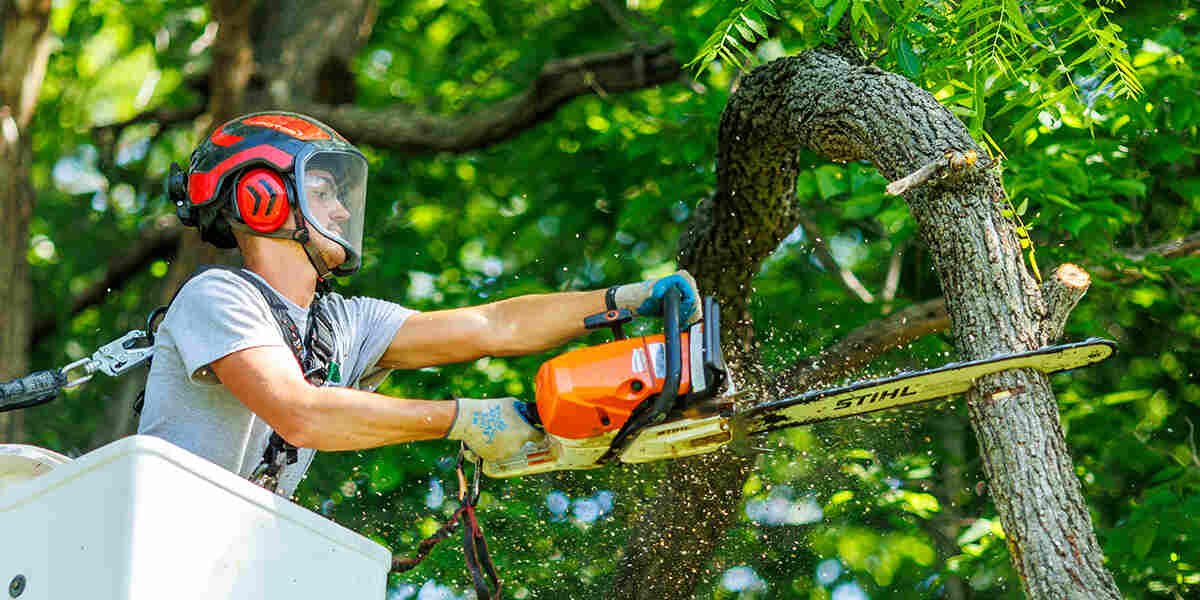
There’s also a safety aspect. Working at height with heavy branches carries risks that shouldn’t be underestimated. Professional teams have the equipment, training, and insurance to carry out the work safely.
A Real-World Example from Hull
A homeowner in Hull recently faced a common issue, a mature sycamore tree overshadowing their garden and dropping heavy branches during windy weather. Initial thoughts leaned towards full removal.
After assessment, a crown reduction was carried out instead. The canopy was reduced by around 20%, focusing on overextended limbs and dense growth areas.
Within months, the difference was clear. The garden received more sunlight, the tree looked more balanced, and concerns about falling branches significantly decreased. Most importantly, the tree was preserved rather than removed.
Frequently Asked Questions
Does crown reduction harm the tree?
When done correctly, crown reduction does not harm the tree. In fact, it often improves its health by removing weak or overcrowded branches. The key is ensuring the work is carried out by experienced professionals.
How much can a tree be reduced?
Typically, no more than 20–30% of the canopy should be removed in one session. Removing too much can stress the tree and lead to poor regrowth or structural issues.
How often should crown reduction be done?
It depends on the species and growth rate, but most trees don’t require frequent reduction. Every few years is usually sufficient, provided the work is done properly.
Is crown reduction better than tree removal?
In many cases, yes. Crown reduction allows you to manage the size and safety of a tree while preserving its environmental and aesthetic value. Tree removal services are usually considered a last resort.
Will it make a difference to my garden?
Absolutely. Improved light, reduced debris, and a more balanced tree can significantly enhance the usability and appearance of your outdoor space.
Final Thoughts
The benefits of crown reduction go far beyond simple aesthetics. It’s a practical, long-term solution that supports healthy tree growth, improves safety, and helps you get the most out of your outdoor space.
Too often, trees are either neglected or overcut, leading to avoidable problems. A balanced approach—guided by professional tree surgery expertise makes all the difference.
If you’re dealing with an overgrown or problematic tree in Hull, it’s worth exploring crown reduction before considering removal. You’ll likely find that with the right care, your tree can continue to thrive for years to come.
Need Expert Help in Hull?
If your trees are becoming difficult to manage or you’re unsure whether crown reduction is the right solution, speaking to a professional is the best first step. A qualified team can assess your situation and recommend the safest, most effective approach.
Get in touch today to discuss your tree surgery needs and keep your trees healthy, safe, and looking their best.
Comments are closed