
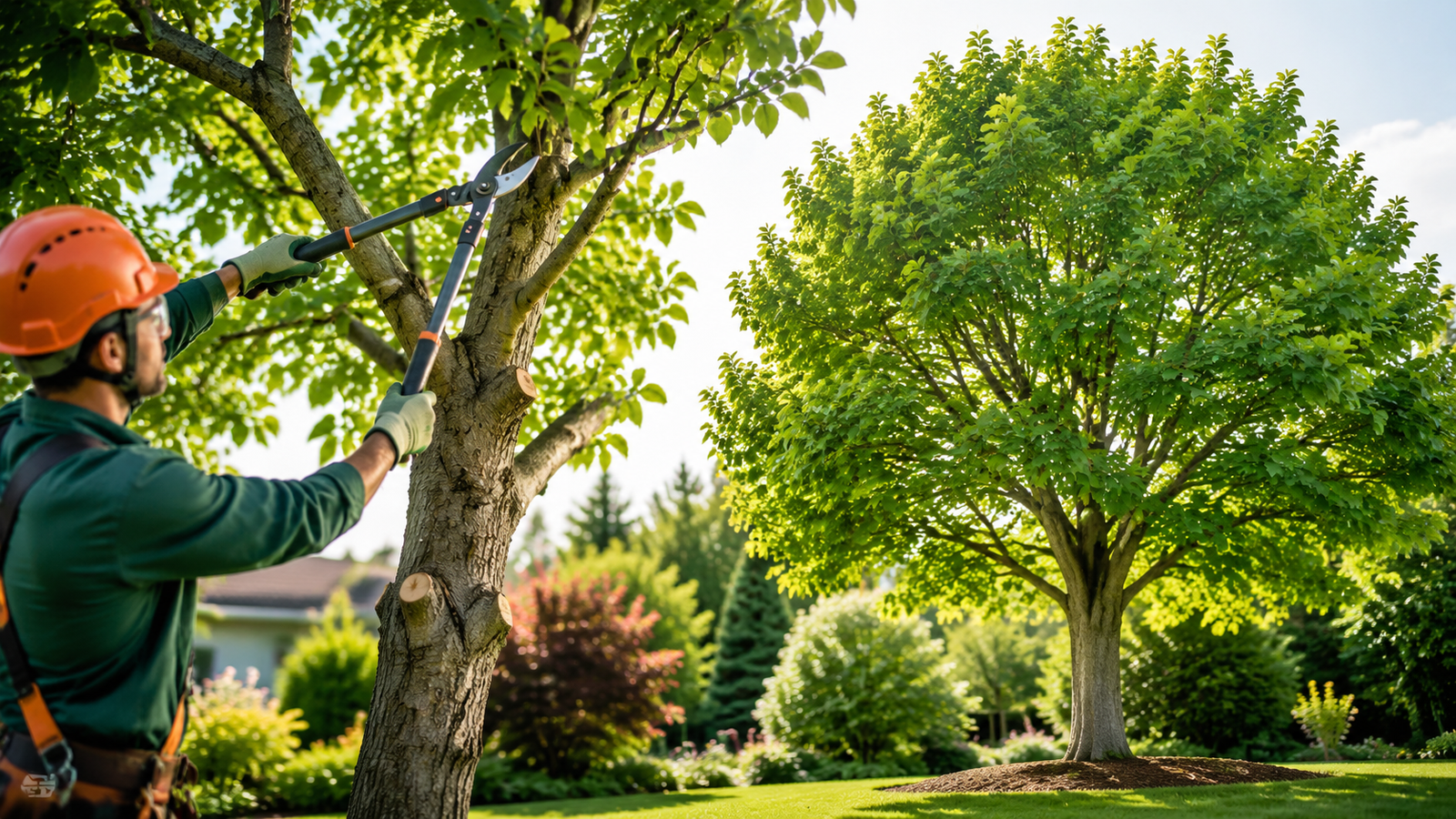
Trees are one of the most valuable assets on any property. They improve air quality, provide shade, support wildlife, enhance kerb appeal, and contribute to the character of neighbourhoods across Hull and the wider East Yorkshire region. Yet for all the benefits trees provide, they require consistent, skilled care to remain safe, healthy, and beautiful and nothing is more central to that care than professional tree pruning.
Whether you have a mature oak anchoring your garden, a row of conifers screening your boundary, or ornamental trees framing your driveway, regular pruning by a qualified tree surgeon makes a measurable difference, to the health of your trees, the safety of your property, and the appearance of your outdoor space.
This guide explores every major benefit of professional tree pruning, explains the key techniques used by experienced arborists, addresses common questions, and explains why hiring a local professional is always the right choice for trees in Hull.
What Is Tree Pruning And How Does It Differ from Trimming?
Tree pruning and tree trimming are frequently confused, but they serve distinct purposes and require different levels of expertise:
- Tree Pruning: The selective removal of specific branches, buds, or sections of a tree to improve its structure, health, safety, and long-term growth. Pruning targets dead, diseased, damaged, or poorly positioned branches and is guided by arboricultural knowledge of how trees respond to cutting.
- Tree Trimming: Primarily an aesthetic practice aimed at shaping a tree or hedge to maintain a desired appearance or size. Trimming focuses on controlling growth rather than correcting underlying structural or health issues.
In practice, professional tree work often combines both, but it is pruning that delivers the lasting health and safety benefits that trees truly need. All pruning carried out by Hull Tree Surgeon follows the UK’s British Standard for Tree Work (BS3998:2010), ensuring every cut is made correctly and in the tree’s best long-term interest.
1. Improved Tree Health The Core Benefit of Pruning
The single most important reason to prune trees professionally is to support and extend their long-term health. Trees, like all living things, accumulate damage over time. Dead, diseased, and declining branches do not simply stop growing, they become pathways for decay-producing fungi, bacterial infections, and pest colonisation that can spread through the entire tree if left unaddressed.
How Pruning Directly Improves Tree Health
- Eliminates disease entry points: Dead and damaged wood is the primary gateway for harmful pathogens. Removing it cleanly prevents infection from spreading to healthy tissue.
- Redirects energy and nutrients: When a tree no longer needs to sustain dead or dying branches, it redirects water, minerals, and carbohydrates toward healthy growth, improving vitality across the whole structure.
- Improves air circulation: An overcrowded canopy traps moisture, warmth, and stagnant air — ideal conditions for fungal diseases like honey fungus, silver leaf, and powdery mildew. Thinning the crown allows air to move freely, reducing humidity and disease risk.
- Increases light penetration: Sunlight is essential for photosynthesis. A dense, unmanaged canopy restricts light to inner branches and understory plants, weakening the tree’s ability to produce energy. Strategic pruning opens the canopy and improves light distribution.
- Prevents crossing branch damage: Branches that rub or cross one another create bark wounds — open invitations for insects and pathogens. Removing crossing branches before they cause damage is a fundamental aspect of good arboricultural practice.
Our deadwood removal service is specifically designed to eliminate these health threats safely and efficiently, preserving the vitality of your trees across Hull and the surrounding area.
2. Enhanced Safety, Protecting People, Property, and Vehicles
One of the most immediate and compelling reasons to invest in professional tree pruning is safety. Unmanaged trees present real risks: falling branches can cause serious injury, damage vehicles, damage roofing and guttering, bring down fencing, and pose threats to neighbouring properties. During Hull’s frequent periods of strong winds and storms, this risk escalates significantly.
Why Neglected Trees Become Hazards
- Dead branches: Deadwood is mechanically weak and unpredictable. It can detach without warning, even in still conditions, and is a leading cause of tree-related property damage.
- Overhanging limbs: Branches extending over buildings, driveways, or public roads create liability concerns and pose practical dangers to people passing below.
- Structurally compromised branches: Cracks, cavities, included bark, and co-dominant stems all indicate structural weakness that can lead to sudden branch failure, especially under wind or snow loading.
- Imbalanced crown: A heavily asymmetric crown places uneven stress on the trunk and root system, increasing instability, particularly in exposed or windy positions.
Regular pruning by our tree surgery team in Hull systematically identifies and removes these hazards before they become costly emergencies. We also offer emergency tree services for urgent situations where storm damage or sudden branch failure requires an immediate professional response.
3. Encouraged Healthy Growth and Superior Tree Structure
Pruning is not just about removing problems, it is equally about shaping a positive future for your trees. When carried out with skill and timing, strategic pruning redirects the tree’s growth energy, improves its structural framework, and establishes habits of growth that reduce the need for intervention in later years.
Formative Pruning: Getting It Right from the Start
Formative pruning is applied to young and developing trees to guide their structure while the cost of correction is low and the tree can adapt quickly. By removing competing leaders, correcting co-dominant stems, and encouraging a well-spaced branch arrangement early in a tree’s life, professional arborists establish a strong, balanced framework that the tree will carry for decades.
Trees that receive good formative care require significantly less corrective work as they mature, reducing the long-term cost of tree management and minimising the risk of structural problems that develop when early issues go unaddressed.
Crown Management: Directing Mature Tree Growth
In mature trees, pruning is used to manage growth direction and density. Removing branches that are growing inward, downward, or toward structures redirects growth energy to better-positioned branches. The result is a tree that grows outward and upward in a balanced, visually attractive form, with fewer structural vulnerabilities and better integration into its surrounding environment.
For fruit trees specifically, winter pruning that opens up the centre of the canopy to direct sunlight significantly increases both the quantity and quality of fruit produced, by improving light access and reducing conditions that favour fungal disease on developing fruit.
4. Enhanced Appearance and Landscape Appeal
Well-maintained trees are a defining feature of attractive properties and well-managed gardens. They frame views, provide seasonal interest through blossom and autumn colour, and contribute enormously to the character of residential streets and green spaces across Hull. Conversely, overgrown, misshapen, or poorly maintained trees can detract significantly from a property’s appearance and feel unwelcoming.
What Professional Pruning Does for Appearance
- Removes visual clutter: Dead branches, crossing limbs, and unbalanced growth detract from a tree’s natural beauty. Removing them reveals the tree’s underlying form and allows its best qualities to shine.
- Improves shape and symmetry: Strategic pruning shapes trees to achieve a more desirable, proportionate silhouette that complements your garden design and architecture.
- Creates space and light: Pruning back overgrown canopies opens up garden spaces, improves sightlines, and allows more natural light to reach patios, lawns, and planting beneath the tree.
- Reveals architectural features: In urban settings, crown lifting removes lower branches to reveal the tree’s structure and improve visibility around pathways, boundaries, and buildings.
Our crown lifting service and crown thinning and reduction are specifically designed to deliver these aesthetic improvements while maintaining the health and structural integrity of the tree.
5. Disease and Pest Prevention, The Invisible Benefit
Many property owners do not consider disease and pest management until a problem is already severe, at which point the cost of intervention rises dramatically, and in some cases the tree cannot be saved. Professional pruning is one of the most effective preventive tools available against tree disease and pest infestation.
How Pruning Reduces Disease and Pest Risk
- Early detection: Regular pruning brings arborists into close, systematic contact with every part of the tree. This makes it far easier to identify early signs of infection, infestation, or structural weakness before they escalate, issues that would be invisible to an untrained eye from ground level.
- Removes disease reservoirs: Dead and dying wood provides ideal conditions for fungal spores, bacteria, and wood-boring insects. Removing this material eliminates habitats and food sources that sustain harmful organisms.
- Reduces moisture build-up: Dense, unmanaged canopies trap warmth and moisture, precisely the conditions that fungi, aphids, and scale insects thrive in. Thinning the canopy reduces these conditions significantly.
- Prevents bark wounds from crossing branches: Branches rubbing together strip bark, creating open wounds that invite infection. Removing crossing branches eliminates this ongoing damage before it allows pathogens to establish.
This is why consistent, scheduled pruning, rather than reactive intervention, delivers the greatest value. Prevention is always more cost-effective than cure, and professional tree surgeons with local knowledge of Hull’s common tree species are best placed to identify the threats most likely to affect your trees.
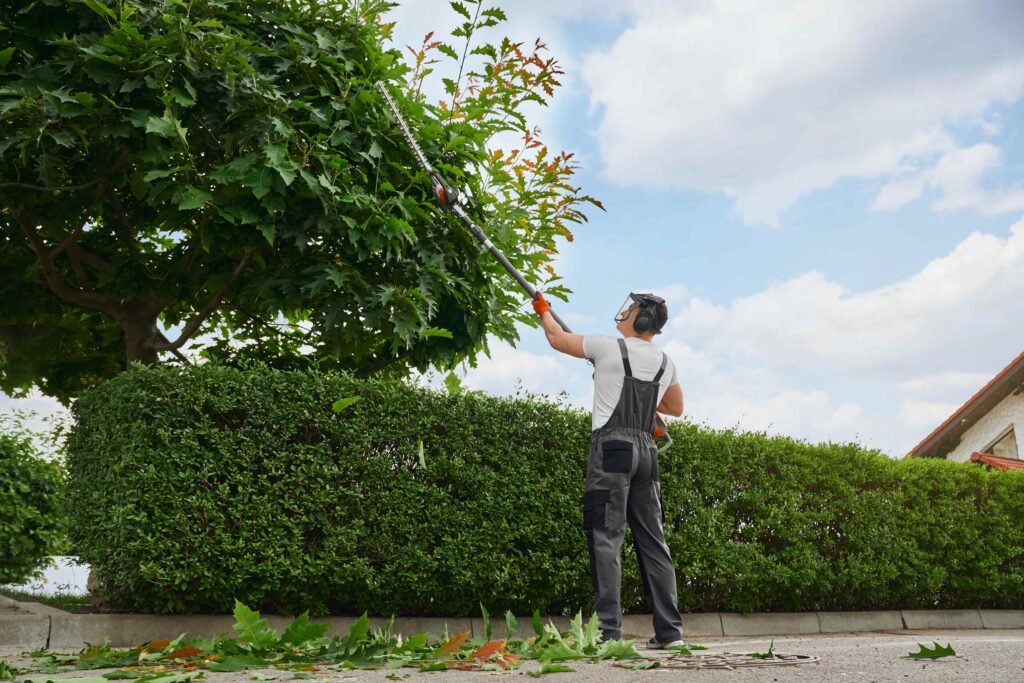
6. Increased Property Value and Kerb Appeal
Trees are a significant component of a property’s overall value, but only when they are well maintained. Research consistently shows that mature, healthy, professionally maintained trees can increase residential property values by between 5% and 15%, depending on their size, species, and condition.
Conversely, neglected or hazardous trees, particularly those with visible deadwood, imbalanced structure, or damage, can reduce a property’s value, create liability concerns, and complicate property sales when surveyors flag unmanaged trees as risks.
Regular professional pruning ensures your trees remain an asset rather than a liability — maintaining their health, structural soundness, and visual appeal over time. Whether you are managing a residential property in Hull, a commercial site, or rented accommodation, well-maintained trees are demonstrably worth the investment.
7. The Role of Seasonal Timing in Effective Pruning
Pruning at the right time of year is just as important as pruning correctly. The timing of a pruning cut significantly affects how quickly the tree responds, how well it heals, and whether the work strengthens or stresses the tree. One of the key advantages of working with professional arborists is their understanding of species-specific pruning windows.
Seasonal Pruning Guidelines
- Late winter / early spring (dormant season): The recommended window for most deciduous trees. With no foliage on the tree, the entire branch structure is visible, making assessment easier and cuts more accurate. Dormant trees have lower metabolic demands, allowing them to direct healing resources to pruning wounds more effectively. Disease transmission risk is also lower, as many pathogens are inactive in cold conditions.
- Summer pruning: Can be used to control overly vigorous growth, improve light and air penetration mid-season, or address safety issues that emerge as the tree develops its full canopy. Crown thinning in summer can be particularly effective at improving light to properties and gardens.
- Autumn — generally avoid: Freshly pruned wounds take longer to seal in autumn, leaving trees more vulnerable to fungal infections over winter. Except for safety-critical or dead branch removal, pruning is generally deferred out of this season.
- Year-round — deadwood and emergency work: Dead branches and urgent safety work can and should be addressed at any time of year, regardless of season.
Our team advises every client on the optimal timing for their specific trees and circumstances, ensuring work is carried out to maximise both health outcomes and long-term results.
8. Professional Pruning Techniques, What the Experts Use
Professional arborists do not simply ‘cut branches’. Each pruning project begins with a thorough assessment of the tree’s health, growth patterns, structural characteristics, and surrounding environment. From that assessment, the appropriate techniques are selected to achieve the best outcome for the tree and the client.
Crown Thinning
Selectively removes branches throughout the crown to reduce density without significantly altering the overall size or shape of the tree. Improves light penetration, air circulation, and reduces wind resistance — making the tree more resilient in storms while preserving its natural form.
Crown Reduction
Reduces the overall height and/or spread of the crown by cutting branches back to suitable lateral points. Used when a tree has grown too large for its position, is encroaching on structures, or is placing excessive stress on the root system. Carried out correctly, crown reduction preserves the tree’s natural shape while making it more manageable. See our crown thinning and crown reduction service in Hull.
Crown Lifting
Removes the lower branches of the crown to increase the clearance height beneath the tree. Commonly used to improve access under trees, clear pathways and roads, improve visibility, or prevent branches from reaching buildings and boundary structures. Our dedicated crown lifting service is one of our most requested treatments in residential Hull.
Deadwood Removal
The systematic removal of dead, dying, or structurally compromised branches from throughout the tree. Essential for both safety and health, deadwood removal is often the highest-priority pruning task and is carried out year-round. Our deadwood removal specialists use industry-grade equipment to ensure every dead branch is safely identified and removed.
Formative Pruning
Applied to young trees to establish the best possible long-term structure. By guiding early growth and preventing the development of structural problems, formative pruning invests in the future health and safety of the tree, reducing the scale and cost of intervention needed in later years.
Pollarding
A specialist technique applied to specific species (such as willows, poplars, and limes) that are tolerant of hard back-cutting. Pollarding maintains trees at a set size and produces regular harvests of young wood. It requires expert knowledge of species suitability and long-term management commitment — once started, it must be continued.
9. Why Professional Tree Pruning Always Outperforms DIY
The appeal of DIY tree work is understandable, it appears straightforward, and a basic saw or ladder seems sufficient for simple jobs. In reality, tree pruning is a technically demanding and physically hazardous activity that regularly results in injury, property damage, and lasting harm to trees when carried out without proper training.
- Safety risks: Falls from height, struck-by incidents involving heavy limbs, and chainsaw injuries are among the most common serious injury types in garden and tree work. Professional tree surgeons use certified climbing equipment, rigging systems, and safe working practices to manage these risks systematically.
- Poor technique causes lasting damage: Incorrect cutting positions, leaving stubs, cutting into the branch collar, or making ragged cuts, prevent the tree from compartmentalising the wound effectively. This leaves trees vulnerable to decay that can progress internally for years before becoming visible.
- Wrong timing amplifies stress: Pruning at the wrong time for a species can trigger disease, reduce the tree’s ability to seal wounds, or cause excessive stress that weakens the tree over subsequent growing seasons.
- Lack of hazard recognition: Trained arborists assess every tree for signs of structural weakness, disease, and pest activity before beginning work. Without this assessment, hidden hazards can result in sudden, unpredictable branch failures during cutting, with potentially serious consequences.
- Insurance and liability: Any damage caused during DIY tree work to your property, neighbouring properties, or the public, is your personal liability. Fully insured professional contractors carry public liability insurance that covers any damage arising from their work.
Our team at Hull Tree Surgeon is fully insured, experienced, and equipped to handle tree pruning safely and effectively across all property types in Hull. Explore our full range of tree surgeon services or contact us for a free, no-obligation quote.
10. Tree Preservation Orders (TPOs) and Legal Considerations in Hull
Before carrying out any significant tree work in the UK, it is essential to establish whether your tree is subject to a Tree Preservation Order (TPO) or sits within a designated Conservation Area — both of which impose legal restrictions on what work can be undertaken without prior consent from the local planning authority.
- Tree Preservation Orders: Protect individual trees or groups of trees of particular public amenity value. Carrying out work on a protected tree without consent is a criminal offence that can result in substantial fines. All work on TPO-protected trees must be approved by the local planning authority before it begins.
- Conservation Area trees: Any tree with a trunk diameter over 75mm (measured at 1.5m height) in a Conservation Area is automatically protected. Written notice of intended works must be submitted to the local planning authority at least six weeks before work commences.
- Tree surveys: For development projects or where uncertainty exists about protected status, a professional tree survey can identify constraints and provide the evidence base needed for planning applications.
At Hull Tree Surgeon, we are familiar with local planning requirements and Tree Preservation Orders across Hull and East Yorkshire. We can advise you on whether consent is needed for your planned work and help navigate the process efficiently. Do not carry out work on any tree without first confirming its protected status, the penalties are significant.
11. Our Tree Pruning and Tree Surgery Services in Hull
Hull Tree Surgeon provides a comprehensive range of professional tree care services across Hull and the surrounding area. Whether you need a single tree assessed, a row of overgrown hedges brought back into shape, or an emergency response to storm damage, our experienced team is ready to help.
- Tree Surgery: Professional tree surgery, the full spectrum of tree care delivered by qualified, insured tree surgeons.
- Tree Pruning Hull: Expert tree pruning, improving health, structure, and appearance using industry-standard techniques.
- Crown Lifting: Crown lifting, removing lower branches to improve clearance and manage access.
- Crown Thinning & Reduction: Crown thinning and crown reduction, managing canopy density and overall tree size.
- Deadwood Removal: Deadwood removal, eliminating health and safety hazards systematically.
- Tree Removal: Tree removal services, safe, controlled removal when trees cannot be retained.
- Stump Removal: Tree stump removal and stump grinding eliminating stumps to reclaim your outdoor space.
- Hedge Care: Hedge care, hedge trimming, and hedge cutting maintaining healthy, shapely hedges.
- Emergency Tree Work: 24/7 emergency tree services, rapid professional response to storm damage and urgent hazards.
- Site Clearance: Site clearance Hull, full vegetation clearance for development and landscaping projects.
- Tree Cutting: Tree cutting in Hull, professional cutting services for trees of all sizes.
Frequently Asked Questions About Professional Tree Pruning
| How often should trees be professionally pruned? Most established trees benefit from professional pruning every 3 to 5 years, though this varies considerably by species, age, condition, and position. Fast-growing species or trees in confined spaces may need more frequent attention. Your arborist will recommend a schedule based on your specific trees. |
| Will pruning harm my tree? Correctly executed pruning carried out at the right time of year does not harm a healthy tree, It actively improves its condition. Poor pruning technique (wrong cuts, wrong timing, excessive removal) can cause harm. This is precisely why professional, qualified arborists should always carry out significant pruning work. |
| When is the best time to prune trees in Hull? For most deciduous species, late winter to early spring (before leaf burst) is optimal. The full branch structure is visible, disease transmission risk is lower, and trees have strong healing resources available. Dead branches can be removed year-round. Your arborist will advise on the best timing for your specific species. |
| Do I need council permission to prune a tree on my property? You may do so if your tree is protected by a Tree Preservation Order (TPO) or sits within a designated Conservation Area. Carrying out work without required consent is a criminal offence in the UK. Always check with Hull City Council planning services or consult a professional arborist before proceeding with significant tree work. |
| What is the difference between crown reduction and crown thinning? Crown reduction reduces the overall height and spread of the tree’s canopy by cutting branches back to lateral points. Crown thinning selectively removes individual branches throughout the canopy to reduce density while maintaining the tree’s size and shape. Both techniques serve different purposes and require professional assessment to apply correctly. |
| Can you prune trees near power lines? Work near overhead electricity lines should only ever be carried out by specialists with appropriate training and in coordination with the relevant electricity network operator. Hull Tree Surgeon can advise on the correct process and coordinate with the relevant authorities where necessary. |
| How long does professional tree pruning take? This depends on the size, number, and condition of trees involved, as well as the type of pruning required. A single small tree might take an hour or two. A large mature tree requiring crown reduction could take a full day or more. Our team will provide a clear estimate of timescale when quoting for your project. |
Conclusion: Invest in Your Trees and They Will Invest in Your Property
Trees are long-term assets. Properly managed, they outlive buildings, improve with age, and deliver compounding benefits to property value, garden appeal, and local biodiversity over decades. Neglected, they become costly liabilities, unpredictable in their behaviour, declining in health, and increasingly expensive to manage safely.
Professional tree pruning is the single most important routine intervention you can make to protect those long-term assets. It extends tree lifespans, prevents disease, eliminates safety hazards, stimulates healthy growth, improves your property’s appearance, and delivers peace of mind that your trees are in expert hands.
At Hull Tree Surgeon, we bring skill, local knowledge, and genuine care for trees to every project. Our team is fully insured, experienced across a wide range of species and situations, and committed to delivering work to the highest professional standards with clear communication, fair pricing, and a tidy, professional finish every time.
📞 Ready to arrange expert tree pruning in Hull? Contact us today for a free, no-obligation quote, or call us on 01482 699534. We serve Hull and all surrounding areas, and are ready to help with all aspects of tree care, from routine pruning to emergency tree work.
Comments are closed