
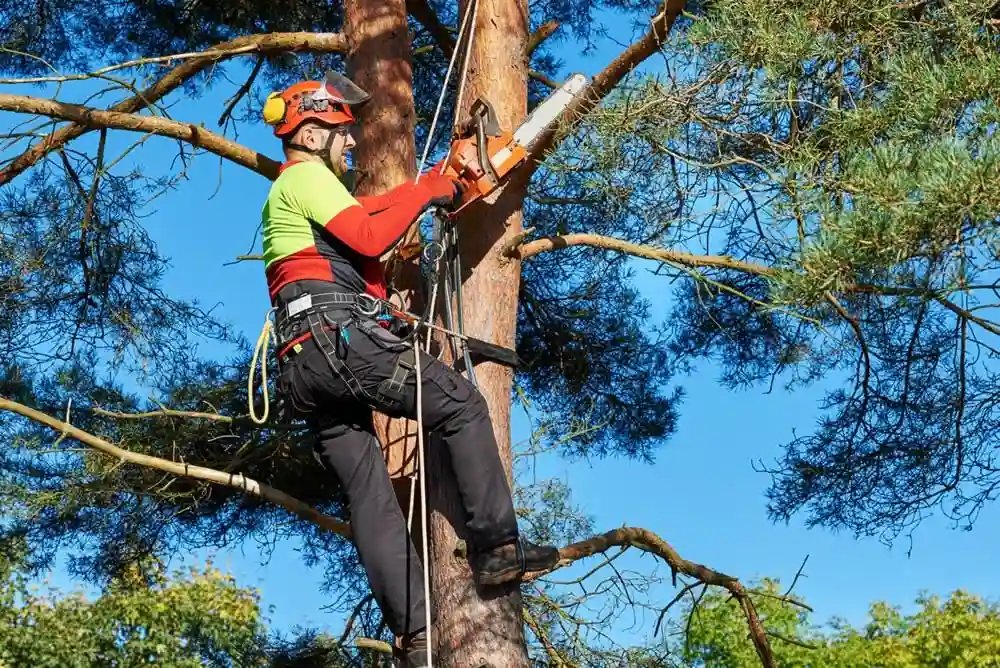
Knowing the right time for tree surgery can make all the difference to the health and appearance of your landscape. Factors like weather, tree species, and regulations come together to determine when tree surgery should be performed in the UK. This guide offers simple, practical advice so you can make informed decisions and keep your trees healthy year-round.
The Short Answer: Best Months for Tree Surgery
In the UK, the ideal window for tree surgery is typically during late autumn and winter (November to early March). During this period, most trees are dormant, making it safer and less stressful for them to undergo various procedures. Carrying out tree surgery at this time minimises sap loss, reduces the likelihood of pest attacks, and ensures better wound healing. However, exceptions exist depending on species and the type of work carried out, so a tailored approach is always recommended.
Why Timing Matters: Understanding Tree Dormancy
Tree surgery is best conducted when trees are not actively growing. Winter dormancy means sap isn’t rising, leaves have fallen, and metabolic activity is slow. Cutting or pruning at this stage helps avoid unnecessary stress, promotes healthier regrowth, and reduces risks like fungal infection. Moreover, tree surgeons can more easily assess the structure and spot dead branches when foliage is absent.
Problem: Risks of Poor Timing in Tree Surgery

Performing tree surgery during the wrong season can:
- Cause excessive sap bleeding, weakening the tree.
- Increase vulnerability to pests and diseases.
- Disrupt local wildlife, especially during bird nesting seasons.
- Lead to unsatisfactory regrowth or even long-term damage.
Solution: Guidelines for Year-Round Tree Surgery
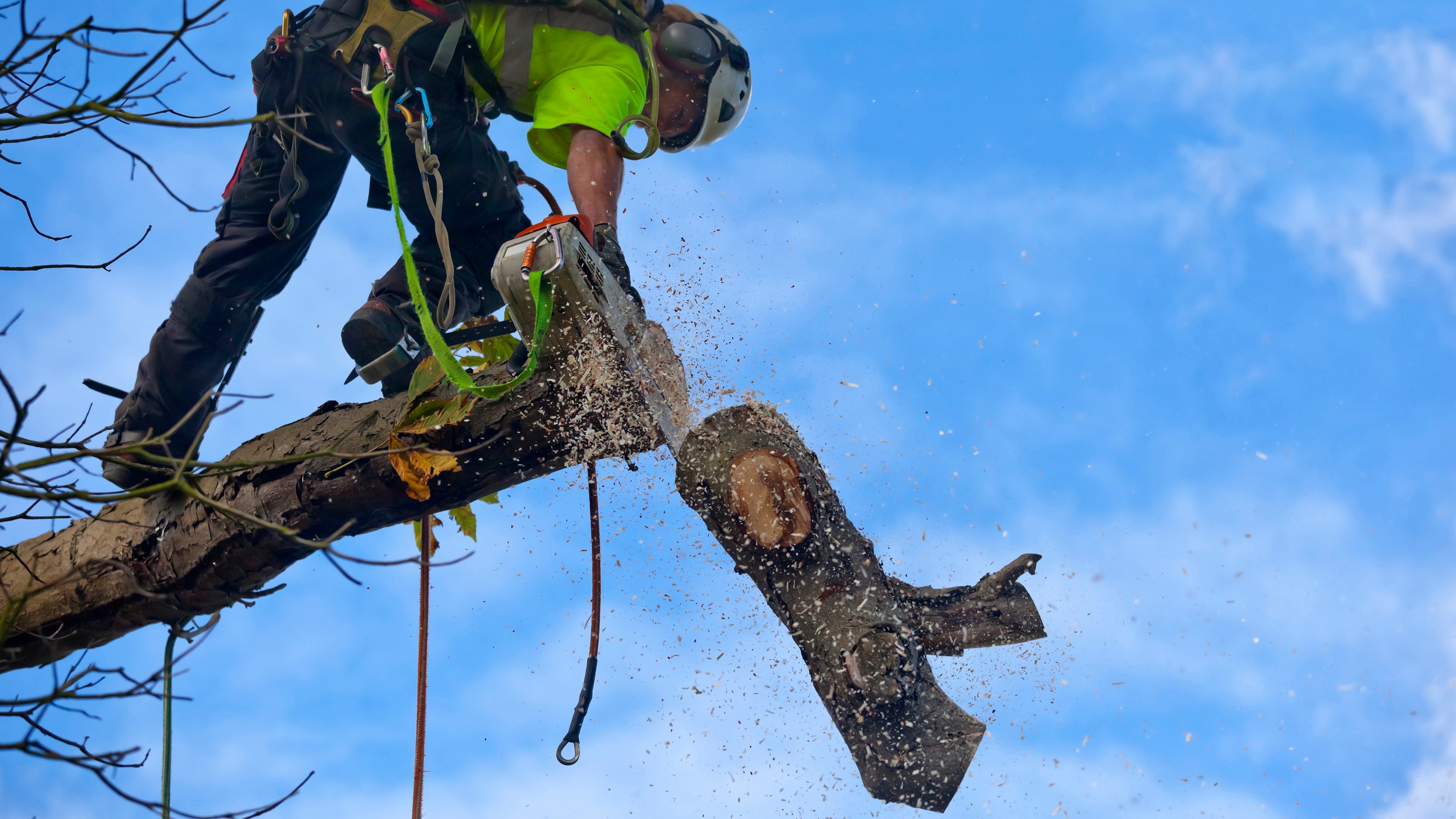
Winter (December – February)
Dormant trees are less susceptible to harm, making this the best time for most tree surgery tasks like pruning, crown lifting, and deadwood removal. With minimal leaves and slower sap, trees recover more efficiently while healing wounds are less likely to attract pests.
Spring (March – May)
As growth resumes, avoid heavy pruning. For minor maintenance or correctional work, wait until after the main flush of new growth. Spring pruning may be necessary for some hedges, but always check for protected species and active bird nests.
Summer (June – August)
While not optimal for major tree surgery, light maintenance can be carried out. Inspect your trees for signs of pest infestation or damage, but avoid aggressive work as high temperatures and rapid sap flow can complicate healing.
Autumn (September – November)
Late autumn, after leaf fall but before the worst winter weather sets in, is a suitable time for various interventions. The risk to wildlife is lower, and trees are entering their dormant state, which means reduced stress from cuts or removal.
Step-by-Step Planning for Tree Surgery

- Evaluate Tree Health:
Check for deadwood, crossing branches, or signs of disease.
- Schedule During Dormancy:
Whenever possible, plan tree work in late autumn or winter.
- Check Regulations:
Some trees are protected, and tree surgery may be restricted during certain months due to wildlife laws.
- Minimise Disruption:
Avoid nesting seasons (March to August) to protect birds and wildlife.
- Post-Surgery Care:
Water the tree if weather is dry and monitor for any signs of stress.
Real-Life Perspective: Why Most UK Homeowners Choose Winter
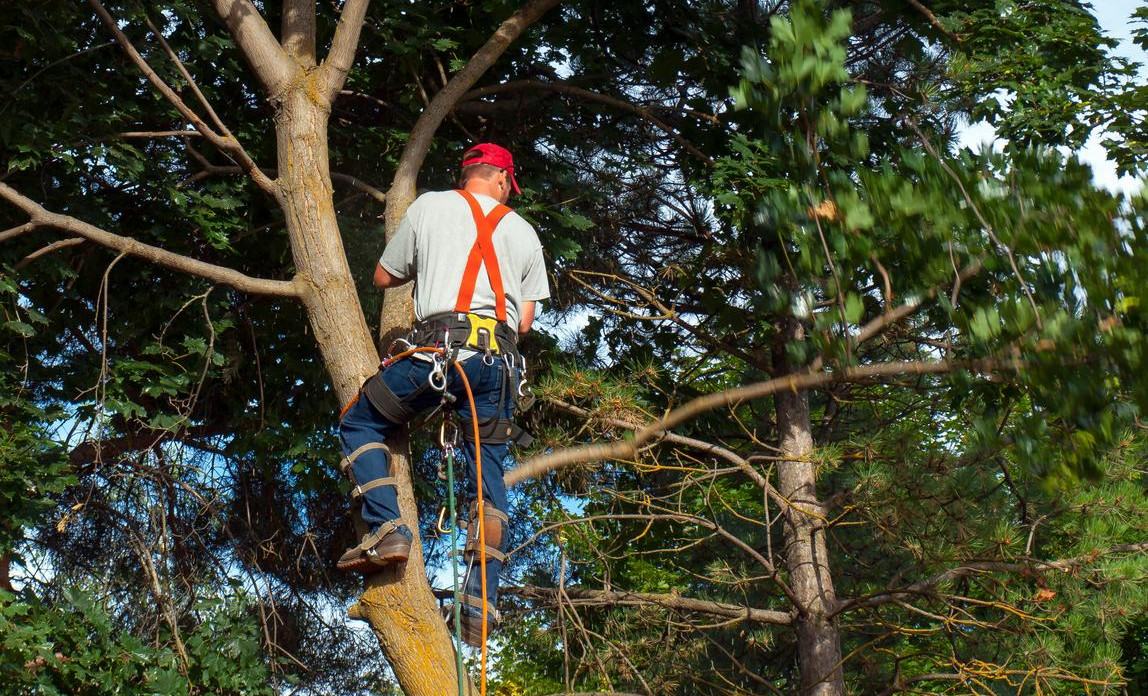
Many UK homeowners schedule tree surgery once the leaves have dropped from deciduous trees, making it easier to see the branch structure and address any issues. Tree cutting in winter also means less mess in your garden and a better overall result for both ornamental and mature trees.
FAQs:
Q1. Can tree work be done in summer?
Yes, but only light pruning or urgent tasks. Avoid major work during periods of active growth.
Q2. What about evergreens?
Evergreens generally tolerate surgery better in late summer or early autumn, though care should still be taken.
Q3. Are there restrictions on timing?
Tree work is often restricted from March to August to protect nesting birds. Always check local regulations.
Q4. Is it safe to remove stumps in winter?
Stump removal can be performed year-round, though late autumn or winter is often less disruptive to the rest of your garden.
Q5. Who should carry out tree surgery?
Qualified professionals are recommended to ensure both safety and the best results.
Conclusion
Tree surgery is a crucial practice for health and safety, but planning the timing is just as important as the actual work. For most trees in the UK, the best results come from scheduling surgery during the dormant winter months. Consider the needs of your specific tree, local laws, and any wildlife in your area before proceeding. With these steps, you can ensure healthy growth, avoid common risks, and enjoy a beautiful, safe outdoor space.
If you need more detailed guidance, consult with a local tree expert to assess your unique situation and make sure your trees get the care they deserve.
Read more: tree preservation
Comments are closed