
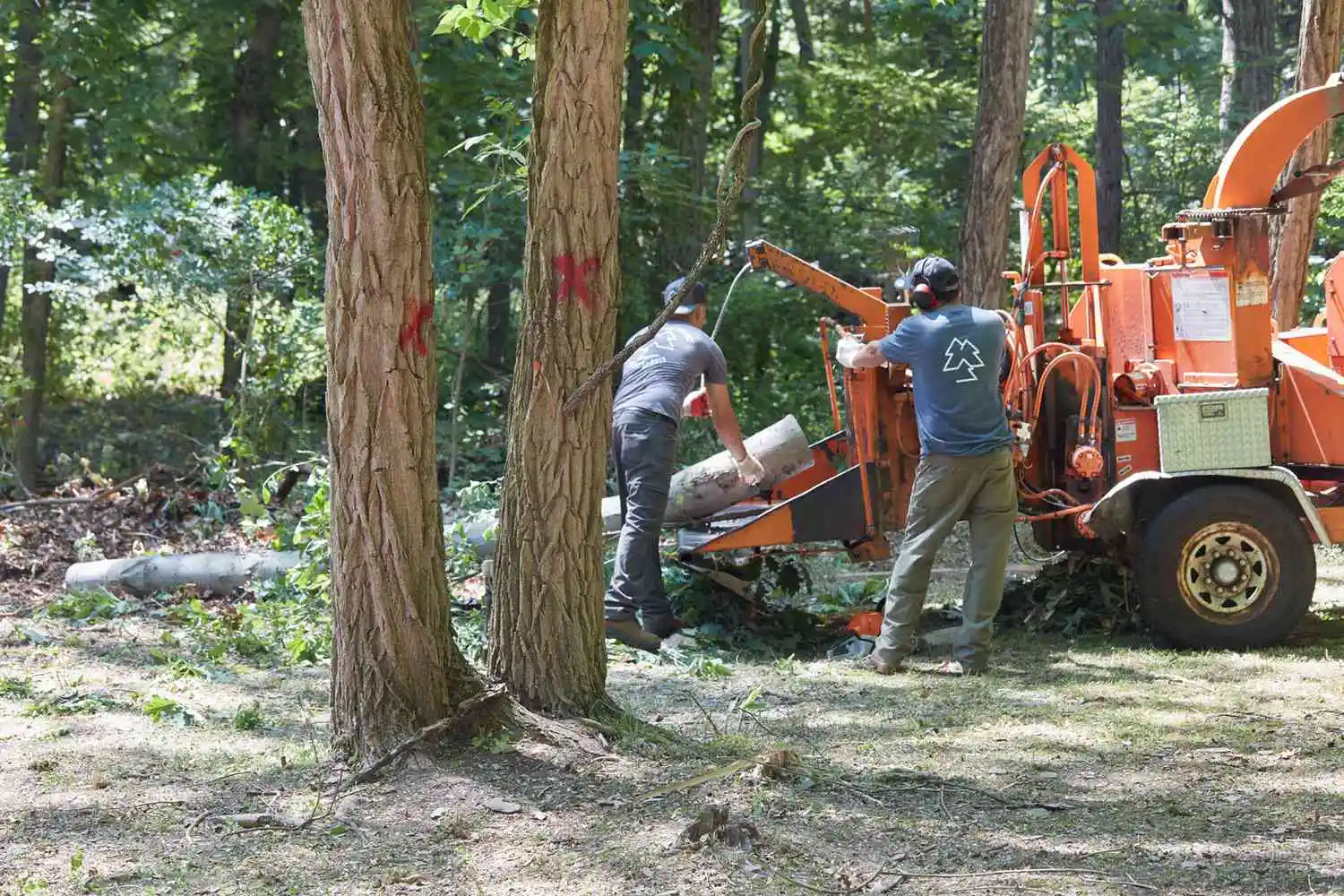
Removing a tree often feels like the end of a job well done. The branches are cleared, the trunk is gone, and your garden suddenly looks more open. But many homeowners in Hull quickly realise something has been left behind: the stump. Sitting stubbornly in the ground, it can look harmless at first, yet over time it becomes a nuisance that affects the appearance, safety, and health of your outdoor space.
This Guide to Stump Grinding explains why dealing with tree stumps properly matters, how the process works, and why professional tree surgeons in Hull recommend grinding rather than leaving stumps to decay naturally. If you have recently had a tree removed or are planning garden improvements, understanding stump grinding can save you time, money, and future headaches.
Why Tree Stumps Should Not Be Left Behind
After tree removal, some property owners choose to leave the stump in place, thinking it will eventually rot away. While this might seem convenient, in practice it often leads to several issues.
A leftover stump can take many years to decompose, especially in the cooler and wetter climate common in East Yorkshire. During that time, it can become a tripping hazard, damage lawn equipment, and even attract pests such as wood-boring insects or fungi. According to guidance from the UK Forestry Commission, decaying wood can encourage fungal growth that may spread to nearby trees or plants.
For homeowners in Hull, where gardens often serve as valuable outdoor living spaces, an old stump can also affect landscaping plans. Whether you want to install new turf, build a patio, or plant fresh trees, that stump quickly becomes an obstacle.
What Is Stump Grinding?
Stump grinding is a specialised process used by tree surgeons to remove the visible portion of a tree stump using a powerful grinding machine. Instead of digging out the entire root system, the machine chips away at the stump until it is ground down below ground level.
This method is widely considered the most efficient way to deal with leftover stumps after tree removal. Modern stump grinders use rotating cutting wheels with hardened teeth that gradually break the wood into small chips.
The Step-by-Step Process of Professional Stump Grinding
Initial Site Assessment
Before any work begins, a professional tree surgeon will assess the stump and surrounding area. Factors such as stump size, root spread, nearby structures, and underground utilities must be considered.
In urban areas like Hull, gardens often contain hidden obstacles such as drainage pipes or cables. An experienced contractor ensures the grinding process is carried out safely without damaging nearby infrastructure.
Preparing the Area
Once the site has been assessed, the area around the stump is cleared of debris, stones, and loose soil. This ensures the stump grinder can operate efficiently and prevents damage to the machinery.
Tree surgeons may also trim the stump slightly to bring it closer to ground level before grinding begins.
Grinding the Stump
The stump grinding machine is then positioned over the stump. Its rotating cutting wheel gradually chips away at the wood, reducing the stump into small wood fragments.
Most stumps are ground down between 15 and 30 centimetres below the soil surface. This depth is usually enough to allow new grass, plants, or paving to be installed without obstruction.
Clearing and Restoring the Area
After the stump has been ground down, the remaining wood chips are either removed or reused as mulch. The hole is then filled with soil and levelled, leaving the area ready for landscaping.
For many homeowners, this transformation happens surprisingly quickly. Even a large stump can often be removed within a couple of hours.
When Stump Grinding Becomes Necessary
Not every stump causes immediate problems, but certain situations make stump removal particularly important.
In residential gardens, stumps can interfere with mowing and lawn care. Families with children may also find them unsafe, especially when hidden by grass or plants.
Another common issue occurs when the roots begin to sprout new growth. Some tree species attempt to regenerate after removal, sending up shoots around the stump. Without proper grinding, these shoots can continue appearing for years.
Property owners planning garden improvements also benefit from removing stumps early. Landscaping projects such as patios, decking, or driveways often require a clear foundation, something a leftover stump can easily disrupt.
The Connection Between Tree Health and Preventative Care
Tree removal and stump grinding are often part of broader tree care strategies. Professional arborists frequently recommend preventative maintenance to keep trees safe and healthy before problems occur.
Services such as Crown Lifting are used to raise the canopy of a tree by removing lower branches. This improves light penetration and reduces obstruction around paths, driveways, or buildings.
Similarly, Deadwood Removal involves removing dead or dying branches that could fall unexpectedly. This not only improves safety but also helps trees maintain healthy growth.
When these preventative services are carried out regularly, the need for emergency tree removal can often be reduced.
Why Professional Stump Grinding Is the Safer Option
While some homeowners attempt DIY stump removal using chemicals or manual digging, these methods rarely produce the same results as professional grinding.
Chemical treatments can take months or even years to break down a stump. Digging it out manually can be extremely labour-intensive and may damage surrounding soil or plants.
Professional stump grinders, on the other hand, are designed specifically for the task. Experienced operators know how to control the machinery safely and ensure the stump is removed efficiently.
Environmental Benefits of Stump Grinding
Beyond improving the appearance of your garden, stump grinding also offers environmental advantages.
The wood chips produced during grinding can be reused as mulch in flower beds or around new trees. Mulch helps retain moisture, suppress weeds, and improve soil quality over time.
Additionally, removing old stumps prevents the spread of decay fungi that could affect nearby vegetation. This contributes to healthier gardens and urban green spaces across areas like Hull.
How Much Does Stump Grinding Cost in the UK?
Costs for stump grinding vary depending on several factors, including stump diameter, root spread, accessibility, and location.
In the UK, smaller stumps may cost between £60 and £120 to grind, while larger stumps can range from £150 to £300 or more. Difficult access or multiple stumps may increase the price.
However, many homeowners find the cost worthwhile when compared to the inconvenience and long-term problems of leaving stumps in place.
FAQs About Stump Grinding
How long does stump grinding take?
Most stump grinding jobs are completed within one to two hours. Larger stumps or difficult access areas may take longer, but the process is generally quick compared to other removal methods.
Will the roots continue growing after grinding?
Once the stump has been ground below the soil surface, the tree can no longer regenerate effectively. While some roots remain underground, they gradually decay over time.
Can grass grow over the ground stump area?
Yes. After grinding, the area can be filled with soil and reseeded. Grass typically grows well once the ground has been levelled.
Is stump grinding safe near buildings or fences?
When carried out by experienced professionals, stump grinding is safe even in confined spaces. Modern equipment allows operators to work precisely around structures.
Should stump grinding be done immediately after tree removal?
In most cases, yes. Removing the stump soon after tree removal prevents pest infestations, root regrowth, and landscaping limitations.
Final Thoughts: Reclaiming Your Garden Space
A tree stump may seem like a small detail, but it can significantly affect the usability and appearance of your garden. Through this Guide to Stump Grinding, it becomes clear that professional grinding is the most efficient and reliable way to remove leftover stumps.
For homeowners in Hull, investing in proper stump removal not only improves the look of your outdoor space but also prevents future problems related to decay, pests, and root growth.
If you have recently removed a tree or are planning tree maintenance, consulting an experienced tree surgeon can make all the difference. With services such as stump grinding, Crown Lifting, and Deadwood Removal, professionals can help you maintain a safer, healthier, and more attractive landscape.
If a stump is getting in the way of your garden plans, now is the perfect time to act. Contact a trusted tree care specialist in Hull to arrange a professional assessment and reclaim your outdoor space.
Comments are closed