
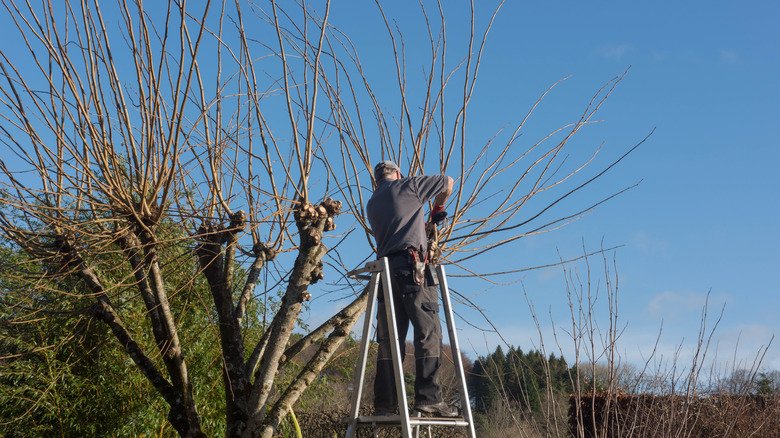
If you’ve ever looked at a tree in your garden and thought, “Does this need cutting back or removing entirely?”, you’re not alone. In places like Hull, where mature trees are common across residential streets and gardens, knowing the right approach can save you money, prevent damage, and even keep you on the right side of local regulations.
The confusion usually comes down to terminology. Tree felling, reduction, and pollarding are often used interchangeably, but they mean very different things in professional tree surgery. Choosing the wrong method can harm the tree, reduce property value, or create safety risks.
In this guide, we’ll break down The Difference Between Tree Felling, Reduction, and Pollarding, explain when each is appropriate, and share practical insights based on real-world scenarios.
Why Understanding Tree Work Methods Matters
Before diving into definitions, it’s worth understanding why this distinction matters. Tree work isn’t just about aesthetics. It directly impacts safety, property structure, drainage, and even local biodiversity.
In urban areas like Hull, poorly maintained trees are a leading cause of storm damage claims. According to UK insurance data, fallen trees and branches contribute to thousands of property damage cases annually, especially during high winds.
That’s where professional Tree Surgery comes in. The right method ensures your trees remain safe, healthy, and visually appropriate for your space.
What Is Tree Felling?
Tree felling is the complete removal of a tree, right down to ground level. It’s the most drastic option and is usually considered a last resort.
When Tree Felling Is Necessary
Tree felling is typically carried out when a tree is dead, diseased beyond recovery, structurally unsafe, or causing significant damage to nearby structures. In Hull, this is often the case with trees affected by root decay or those interfering with foundations, driveways, or underground drainage systems.
For example, a homeowner in West Hull might notice cracks forming in their driveway. Upon inspection, invasive roots from a nearby tree could be the cause. In such cases, felling followed by Stump Removal is often the safest long-term solution.
The Process and Aftercare
Felling involves careful planning, especially in residential areas. Sections of the tree are usually dismantled from top to bottom to prevent damage. Once removed, the stump is either ground down or chemically treated to stop regrowth.
Skipping stump removal can lead to fungal growth or regrowth issues, which is why it’s often included in professional services.
What Is Tree Reduction?
Tree reduction is a more conservative approach. Instead of removing the entire tree, specific branches are cut back to reduce its size while maintaining its natural shape.
When Tree Reduction Is the Right Choice
Reduction is ideal when a tree has outgrown its space but is still healthy. It’s commonly used in gardens where trees block sunlight, overhang roofs, or interfere with power lines.
In Hull’s residential areas, this is particularly common with older properties where trees planted decades ago have grown far beyond their intended size.
A well-executed reduction can improve light levels in your home, reduce wind resistance, and prevent branches from causing damage during storms.
The Key Benefit: Balance
The main goal of reduction is balance. A skilled tree surgeon will remove weight evenly across the canopy, ensuring the tree remains structurally sound.
Poor reduction, on the other hand, can leave a tree vulnerable to disease or uneven growth. This is why hiring experienced professionals is essential.
What Is Pollarding?
Pollarding is the most misunderstood of the three methods. It involves cutting back the upper branches of a tree to a specific framework, encouraging dense new growth.
Where You’ll See Pollarding in Hull
Pollarding is commonly used in urban environments, particularly along streets and public spaces. If you’ve seen trees with thick trunks and short, knobbly branches, that’s pollarding in action.
It’s often applied to species like plane trees and limes, which respond well to this technique.
Why Pollarding Is Used
The purpose of pollarding is control. It keeps trees at a manageable height and prevents them from interfering with buildings, streetlights, or overhead cables.
However, timing is crucial. Pollarding must be started when a tree is young. Attempting it on mature trees can cause stress and long-term damage.
Tree Felling vs Reduction vs Pollarding: The Core Differences
Understanding The Difference Between Tree Felling, Reduction, and Pollarding comes down to intent.
Tree felling removes the tree entirely. Reduction reshapes and manages growth. Pollarding controls size through repeated pruning cycles.
Each method serves a distinct purpose, and choosing the wrong one can lead to unnecessary costs or long-term problems.
Real-World Example: Choosing the Right Method
Consider a typical semi-detached property in Hull with a large sycamore tree in the back garden.
If the tree is healthy but blocking sunlight, reduction is the best option. If it’s diseased and leaning վտանգously towards the house, felling becomes necessary. If the goal is to maintain a uniform look along a street or prevent excessive growth, pollarding may be used.
Legal Considerations in Hull
Before carrying out any major tree work, it’s important to check for Tree Preservation Orders (TPOs). Many trees in Hull are protected, and unauthorised work can result in fines.
A qualified tree surgeon will handle these checks and ensure all work complies with local council regulations.
How Professional Tree Surgery Adds Value
Tree work done properly doesn’t just solve problems. It adds value to your property.
Well-maintained trees enhance kerb appeal, improve outdoor usability, and create a safer environment. On the flip side, neglected or poorly managed trees can deter buyers and lead to costly repairs.
This is why professional Tree Surgery isn’t an expense. It’s an investment in your property’s long-term condition.
For more on maintaining outdoor spaces, you might also explore our guide on landscape care and maintenance.
Common Mistakes to Avoid
One of the biggest mistakes homeowners make is assuming all tree cutting is the same. Over-pruning, incorrect timing, or using the wrong method can weaken a tree permanently.
Another common issue is delaying action. What starts as a minor overgrowth problem can quickly turn into a structural risk, especially during winter storms in coastal areas like Hull.
FAQs About Tree Felling, Reduction, and Pollarding
What is the safest option for an overgrown tree?
It depends on the tree’s condition. If it’s healthy, reduction is usually the safest and most cost-effective option. If it poses a risk, felling may be necessary.
Does tree reduction harm the tree?
When done correctly, reduction supports healthy growth. Poorly executed reduction, however, can stress the tree and lead to disease.
How often should pollarding be done?
Pollarded trees typically require maintenance every one to three years to keep their shape and structure.
Is stump removal always necessary after felling?
In most cases, yes. Leaving a stump can lead to regrowth, pests, or fungal issues.
Do I need permission to cut down a tree in Hull?
If the tree is protected by a TPO or located in a conservation area, you’ll need council approval before carrying out any work.
Final Thoughts and Next Steps
Understanding The Difference Between Tree Felling, Reduction, and Pollarding isn’t just about terminology. It’s about making informed decisions that protect your property, your safety, and the health of your trees.
If you’re unsure which approach is right for your garden, it’s worth getting professional advice. A qualified tree surgeon can assess your trees, recommend the best course of action, and carry out the work safely and efficiently.
If you’re based in Hull and need expert support with Tree Surgery or Stump Removal, now is the time to act. Don’t wait for a small issue to turn into a costly problem. Get in touch with a trusted local specialist and take control of your outdoor space today.
Comments are closed