
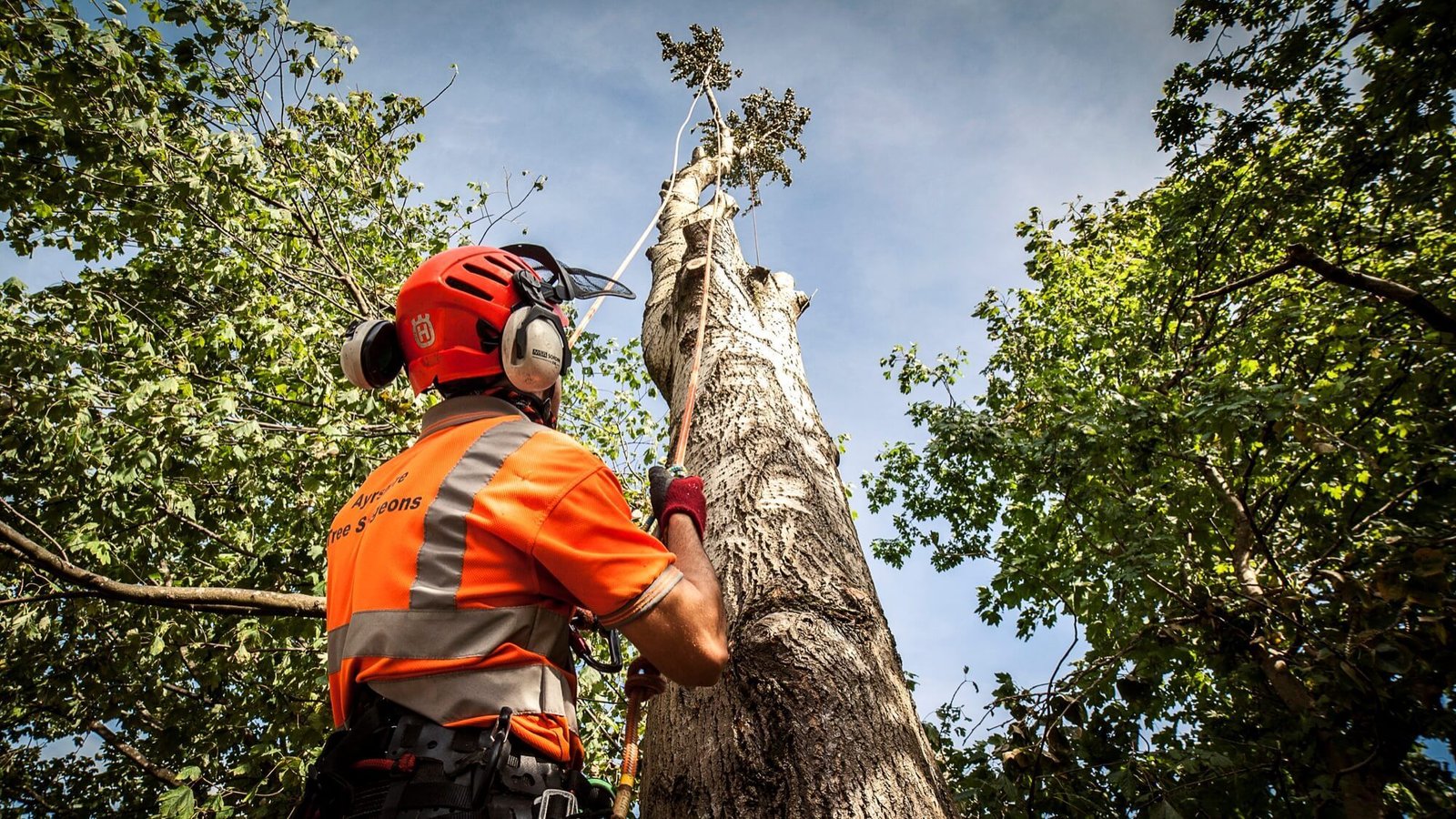
If you have ever woken up after a windy night in Hull to find branches scattered across your lawn, you already know how quickly trees can become a concern rather than a feature. In a city exposed to North Sea winds and long spells of damp weather, tree maintenance is not just about appearances. It is about safety, property protection and long term tree health.
Across Hull and the wider East Riding, mature trees add real value to homes. Estate agents often note that well maintained gardens increase kerb appeal and buyer interest. Yet neglected trees can lead to cracked paving, blocked gutters, roof damage and even insurance complications. The difference usually comes down to consistent, seasonal care.
This guide explains how tree maintenance should be approached throughout the year in Hull, when to consider professional tree surgery, and why services such as crown lifting and deadwood removal are far more than cosmetic work.
Why Tree Maintenance Matters in Hull’s Climate
Hull’s coastal location shapes the way trees grow. According to the Met Office, East Yorkshire experiences frequent wind events and prolonged periods of rainfall during autumn and winter. That combination places strain on branches, weakens root systems in saturated soil and accelerates fungal issues.
Regular tree maintenance reduces the risk of storm damage and disease spread. It also ensures trees remain structurally balanced. A tree that has grown unevenly towards light or away from prevailing winds may need corrective pruning to prevent long term instability.
Professional tree surgery is particularly important for older trees common in Hull’s established residential areas such as the Avenues and Garden Village, where mature specimens can tower over homes and pavements.
Spring: Inspection, Light Pruning and Health Checks
Spring in Hull brings longer days and visible new growth. This is the ideal time to assess winter damage. Small cracks, split branches or early signs of decay are easier to manage before the canopy fully develops.
Tree maintenance during spring typically involves light pruning to shape growth and remove damaged sections. Deadwood removal is especially important at this stage. Dead branches do not regenerate. Instead, they become brittle and hazardous, particularly during summer storms.
In many Hull gardens, spring is also when homeowners notice trees shading lawns excessively. Crown lifting can be introduced carefully to raise the canopy height. This process removes selected lower branches, allowing more natural light into the garden while maintaining the tree’s structure.
Summer: Managing Growth and Preventing Overcrowding
By summer, trees are in full leaf and structural issues become more visible. Overgrown branches may encroach on neighbouring properties or brush against roofs and gutters.
Tree maintenance in summer often focuses on selective pruning rather than heavy cutting. The aim is to manage shape, reduce wind resistance and prevent friction damage where branches cross or rub together.
Hull’s urban trees are frequently planted near buildings. In such cases, crown thinning can reduce canopy density without changing the overall shape. This allows wind to pass through more freely, reducing storm pressure.
A common example in Hull involves sycamores and ash trees planted decades ago in small front gardens. Without regular tree surgery, their roots and branches can interfere with paving and drainage. Addressing these issues early avoids more invasive and costly work later.
Autumn: Preparing for Wind and Rain
Autumn is arguably the most important season for tree maintenance in Hull. As leaves begin to fall, structural weaknesses become easier to identify. This is the time for more substantial deadwood removal and stability assessments.
For many homeowners, this is also the time to schedule crown lifting if branches are obstructing street lighting or overhanging public paths. In residential streets, failing to address low hanging branches can lead to complaints or even liability concerns if someone is injured.
Working with qualified tree surgery specialists ensures that any work complies with local authority guidance. In certain areas of Hull, trees may be protected by conservation area regulations or Tree Preservation Orders. The Hull City Council provides guidance on permissions where required, and reputable contractors will advise before carrying out major work.
Winter: Structural Work and Long Term Planning
Winter is often overlooked, yet it is one of the best times for structural pruning. With leaves absent, arborists can clearly see branch architecture and identify crossing limbs or weak unions.
Tree maintenance during winter focuses on corrective shaping, reducing height where necessary and planning long term growth patterns. Because many trees are dormant, carefully managed pruning causes less stress.
Homeowners are often surprised to learn that well timed winter pruning can improve spring growth and overall resilience. The key is proportion. Over pruning weakens trees. Targeted, experienced work strengthens them.
The Role of Professional Tree Surgery
There is a clear distinction between basic garden trimming and professional tree surgery. The latter involves understanding tree biology, growth patterns and risk assessment.
Qualified arborists evaluate load distribution, disease progression and structural integrity before making cuts. Crown lifting, for instance, must retain sufficient lower canopy to preserve stability. Deadwood removal requires accurate identification of non viable wood without damaging healthy tissue.
Experience matters. In Hull’s mixed urban and suburban landscape, trees often grow close to power lines, garages and boundary walls. Safe working practices, appropriate equipment and insurance are non negotiable.
Frequently Asked Questions About Tree Maintenance in Hull
How often should tree maintenance be carried out?
In Hull’s climate, most residential trees benefit from a professional inspection every one to three years. However, larger, mature or exposed trees may require annual checks, particularly after periods of strong wind or prolonged rainfall. Regular inspections allow early identification of decay, structural weakness or disease before they develop into safety risks.
What is the difference between tree maintenance and tree surgery?
Tree maintenance is a broad term covering routine care such as pruning, crown lifting and deadwood removal to support healthy growth and safety. Tree surgery refers to more technical and specialised procedures, including structural reshaping, decay management and the safe removal of hazardous limbs. Professional tree surgery requires formal training, appropriate equipment and adherence to British Standards.
Is crown lifting safe for all trees?
Crown lifting can be highly beneficial when carried out correctly. It improves light penetration, increases clearance for pedestrians and vehicles, and reduces wind resistance. However, not all trees are suitable candidates. The species, age and overall condition must be assessed beforehand to ensure the structural integrity of the tree is preserved.
Why is deadwood removal important?
Deadwood removal eliminates branches that are no longer living and are therefore brittle and prone to falling. In Hull’s windy conditions, dead branches can present a significant hazard to property and people. Removing them also improves the tree’s overall health by allowing it to direct energy into living growth.
Do I need permission to carry out tree work in Hull?
Some trees in Hull are protected by Tree Preservation Orders or are located within conservation areas. In these cases, permission from Hull City Council may be required before work can proceed. A reputable tree contractor will check this on your behalf and guide you through the necessary process.
When is the best time of year for tree maintenance?
Minor maintenance can be carried out throughout the year, but major structural pruning and tree surgery are often best undertaken during winter dormancy. This reduces stress on the tree and allows arborists to clearly assess its framework. That said, urgent safety concerns should always be addressed immediately, regardless of season.
How can I tell if a tree is becoming unsafe?
Warning signs include visible cracks in the trunk, leaning, fungal growth at the base, large dead branches or sudden changes in canopy density. After storms, it is advisable to arrange a professional assessment even if damage is not immediately obvious. Early intervention significantly reduces the likelihood of costly emergency work.
Does regular tree maintenance increase property value?
Well-maintained trees enhance kerb appeal, contribute to environmental quality and demonstrate responsible property care. Conversely, neglected trees can deter buyers and may lead to insurance complications if damage occurs due to lack of upkeep. Professional maintenance protects both your landscape investment and your home.
Protecting Your Investment and Your Safety
Trees are living assets. They frame your home, provide shade and support local biodiversity. Yet in a city like Hull, where weather patterns can shift quickly, they also require structured, seasonal care.
If you are unsure about the condition of your trees, arrange a professional assessment before the next seasonal change. Whether you need routine maintenance, specialist tree surgery, careful crown lifting or urgent deadwood removal, working with experienced local experts gives you confidence that the job is done safely and correctly.
For tailored advice on tree maintenance in Hull, speak to a qualified arborist who understands local conditions and council regulations. A proactive approach today can prevent serious problems tomorrow and keep your garden safe, healthy and looking its best all year round.
Comments are closed