
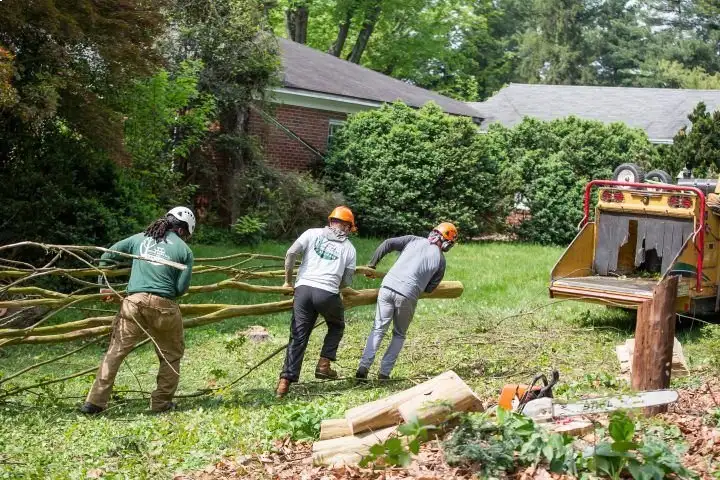
When a tree is removed from your property, it often feels like the job is complete. The chainsaws are packed away, the stump has been taken out, and your garden looks open and refreshed. But the real work doesn’t stop there. Tree removal aftercare is just as important as the removal itself, particularly if you want to protect your garden, your soil, and your remaining trees. Many homeowners in Hull are surprised to discover that poor aftercare can lead to soil erosion, regrowth issues, or even damage to surrounding plants.
In this guide, we’ll explore the essential steps you should take after tree removal, from soil recovery to preventative maintenance such as crown lifting, tree pruning, and deadwood removal.
Why Tree Removal Aftercare Matters
Tree removal is often carried out because of disease, storm damage, or safety concerns. However, when a tree is taken down, it leaves behind more than just an empty space—it changes the ecosystem of your garden. The sudden loss of shade, altered soil composition, and disrupted root systems can affect drainage and impact nearby plants.
Without proper aftercare, you may find weeds quickly colonising the exposed ground, roots trying to reshoot, or neighbouring trees struggling with their new environment. By following a structured approach to aftercare, you not only protect your property but also encourage healthier, safer growth for the rest of your landscape.
Step One: Managing the Stump and Root System
If the stump hasn’t been fully removed, you may need to decide between stump grinding and complete extraction. In Hull, many homeowners opt for stump grinding as it prevents regrowth while maintaining soil stability. Left untreated, stumps can rot and attract pests such as termites or fungi, which may spread to nearby plants.
If stump grinding has been carried out, you’ll be left with wood chippings. These can be mixed into the soil as mulch or removed depending on your gardening goals. Adding fresh topsoil and reseeding grass can restore the space and prevent uneven ground.
Step Two: Restoring Soil Health
When a large tree is removed, the surrounding soil often becomes compacted. Heavy machinery, root extraction, and years of shade can deplete nutrients and affect soil structure. To restore balance:
- Aerate the soil to improve oxygen and water flow.
- Add organic compost to replenish nutrients.
- Check the pH levels if planting new shrubs or grass.
Professional landscapers in Hull often recommend leaving the area to “rest” for a few months before planting larger trees again, ensuring the soil stabilises properly.
Step Three: Supporting Nearby Trees with Crown Lifting
Tree removal can leave remaining trees exposed to stronger winds and additional sunlight. To help them adjust, crown lifting may be required. This technique involves carefully removing the lower branches of a tree’s crown to improve airflow and reduce the risk of breakage.
For example, if you’ve removed a diseased ash tree, neighbouring oaks may suddenly be more vulnerable. By crown lifting, you create a balanced canopy that distributes weight evenly and prevents damage during Hull’s frequent autumn storms.
Step Four: Tree Pruning for Long-Term Health
Pruning isn’t just about shaping trees—it’s essential maintenance. After tree removal, you should monitor nearby trees for signs of stress, such as overextended branches or sudden growth spurts. Proper pruning helps redirect energy into healthy growth, reduces the risk of falling limbs, and encourages stability.
Regular pruning also helps maintain clear sightlines and keeps your garden safe, particularly if you have children or pets playing outdoors. It’s best to prune during dormant seasons, but a professional arborist can advise on the ideal schedule for your specific species.
Step Five: Deadwood Removal to Prevent Hazards
Dead branches are more than unsightly—they pose a safety risk. After tree removal, nearby trees may shed deadwood more quickly as they adapt to environmental changes. Removing deadwood improves the overall appearance of your garden while preventing accidents, particularly during high winds in Hull.
Deadwood removal also enhances the health of the tree, allowing more sunlight and nutrients to reach the living parts of the canopy. This simple but vital step ensures your landscape remains both safe and attractive.
Real-Life Example from Hull
One Hull homeowner, after removing a large sycamore from the front garden, noticed the neighbouring birch tree struggling. Its branches began to lean heavily toward the road, posing a risk to passing vehicles. By arranging professional pruning and crown lifting, the birch regained balance and stability. The homeowner also improved soil quality with composting, which allowed the area to be replanted with ornamental shrubs. This example highlights how attentive aftercare prevents one removal from creating further problems.
Professional vs DIY Aftercare
While some tasks—like reseeding grass or spreading compost—can be handled by homeowners, other aftercare jobs demand professional expertise. Crown lifting, tree pruning, and deadwood removal all require specialist knowledge, safety equipment, and compliance with British Standard BS3998 (Tree Work Recommendations). Hiring a qualified arborist in Hull not only ensures safety but also guarantees your trees are treated in line with industry best practice.
Long-Term Landscape Planning
Tree removal also presents an opportunity to rethink your garden design. Will you replant with a new tree, install a patio, or create a flower bed? If you’re considering replanting, choose species that suit Hull’s climate and soil conditions. Native trees such as silver birch, rowan, or hornbeam provide biodiversity while being resilient to local weather.
Planning ahead avoids future problems such as root spread damaging driveways or trees growing too close to your home. Consulting with a professional ensures the right balance between aesthetics, safety, and practicality.
Final Thoughts
Tree removal may seem like the end of the process, but in reality, it’s the beginning of a new stage in caring for your outdoor space. From managing stumps and restoring soil to carrying out crown lifting, pruning, and deadwood removal, every step contributes to a healthier, safer, and more attractive garden.
Whether you’ve recently had a tree removed in Hull or are planning one in the near future, investing in proper aftercare ensures that your landscape continues to thrive.
Call to Action
If you’ve recently had a tree removed and want to protect your garden, our team of qualified arborists in Hull can help. We provide expert crown lifting, tree pruning, and deadwood removal to keep your outdoor space safe and beautiful. Contact us today for friendly advice and a free quote.
Comments are closed