
If you have trees in your garden, chances are you have heard the word mulching mentioned by a tree surgeon at some point. It often sounds like a minor afterthought, something nice to do if you have time. In reality, mulching is one of the most important yet overlooked aspects of proper tree care, especially for trees growing in urban areas like Hull.
Many tree problems we see locally, from poor growth to early decline, can be traced back to stressed roots. Soil compaction, poor drainage, cold winters and dry summers all take their toll. Mulching addresses many of these issues in one simple but highly effective practice.
Understanding Mulching in Tree Care
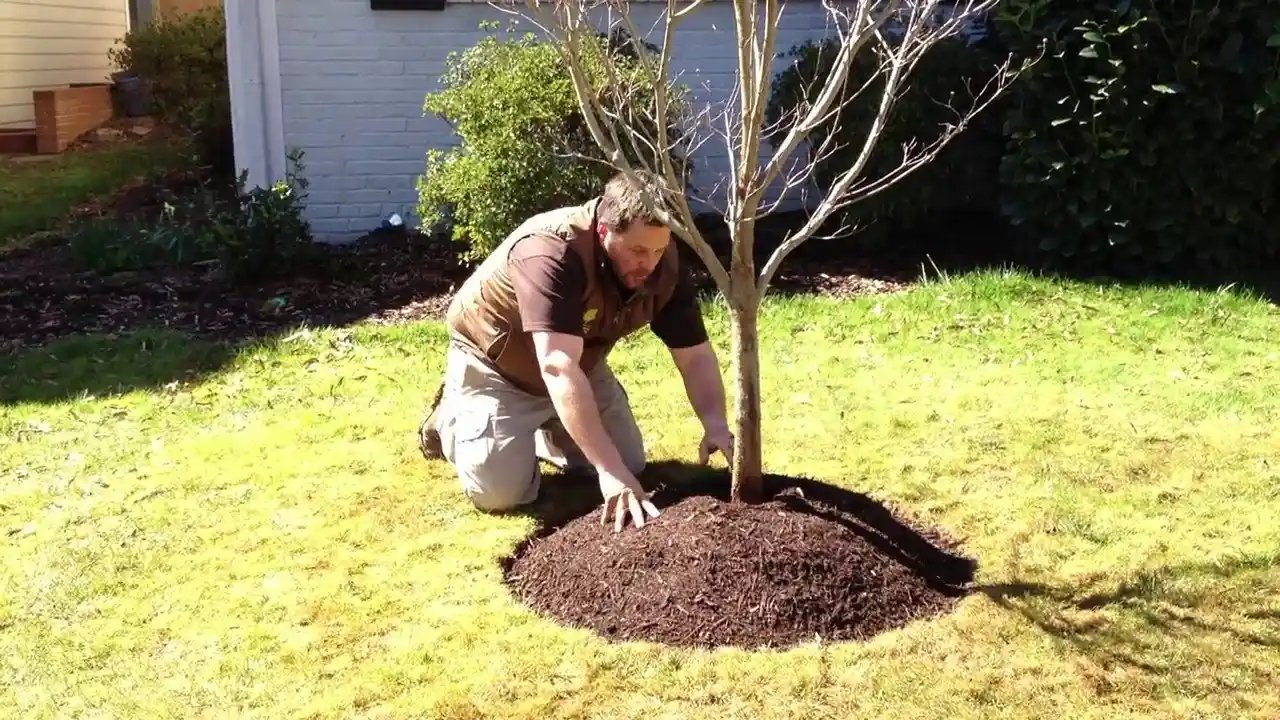
Mulching involves placing a layer of organic material around the base of a tree. Common materials include wood chips, bark, leaf mould or composted green waste. When applied correctly, mulch acts as a protective barrier between the soil and the elements.
In natural woodland settings, trees mulch themselves. Leaves fall, branches decay and organic matter builds up year after year. In residential gardens and public spaces, this natural cycle is usually interrupted. Lawns, paving and frequent tidying remove that protective layer. Mulching recreates those natural conditions and allows trees to thrive rather than just survive.
Why Is Mulching Important for Tree Care in Hull?
Hull’s environment presents specific challenges for trees. Heavy clay soils, periods of waterlogging, coastal winds and compacted ground around properties all contribute to root stress. Mulching helps counteract these issues in several ways.
By insulating the soil, mulch keeps roots warmer in winter and cooler in summer. This temperature regulation is crucial for consistent root activity throughout the year. Research from the Royal Horticultural Society shows that mulched soil can retain up to 25 percent more moisture during dry periods, reducing drought stress and supporting steady growth.
For trees in Hull, where dry spells are often followed by heavy rain, mulch also improves soil structure. As organic mulch breaks down, it encourages beneficial organisms such as earthworms and fungi, improving drainage while still holding enough moisture for healthy root development.
Moisture Retention and Water Management
One of the most obvious benefits of mulching is improved water retention. Bare soil dries out quickly, especially in exposed gardens or areas close to roads and footpaths. Mulch slows evaporation, meaning trees need less frequent watering and are less likely to suffer during warmer months.
This is particularly valuable for newly planted trees or those recovering from tree surgery. After pruning, crown lifting or root work, a tree needs consistent moisture to heal properly. Mulching provides a stable environment that supports recovery without overwatering.
Improving Soil Health and Root Growth
Healthy soil is alive, and mulch plays a key role in keeping it that way. As organic mulch decomposes, it feeds the soil with essential nutrients and encourages microbial activity. These microorganisms help convert organic matter into forms trees can absorb through their roots.
Strong root systems are the foundation of tree health. When soil is compacted, roots struggle to spread and access oxygen. Mulching reduces surface compaction and allows roots to grow closer to the surface, where oxygen and nutrients are more readily available.
Weed Suppression and Reduced Competition
Weeds and grass compete directly with trees for water and nutrients. This competition is particularly damaging for young trees and mature trees under stress. Mulching suppresses weed growth by blocking sunlight, reducing the need for chemical weed control or constant maintenance.
This benefit is often underestimated. Studies have shown that grass growing right up to the trunk can reduce a tree’s growth rate by up to 30 percent. By keeping a clear, mulched area around the base, trees are given the space they need to establish and thrive.
Protecting Trees After Tree Surgery or Tree Removal Work
Mulching is especially important following tree surgery. After procedures such as crown lifting, deadwood removal or structural pruning, a tree needs support to recover. Mulch helps reduce stress and promotes faster healing by stabilising soil conditions.
Even after tree removal, mulching can benefit surrounding trees and plants. Removing a tree often disturbs nearby roots and soil structure. Applying mulch helps restore balance and encourages healthy regrowth in the remaining landscape.
Professional tree surgeons in Hull frequently recommend mulching as part of a wider aftercare plan. It complements pruning work and helps extend the benefits of professional tree care.
Common Mulching Mistakes to Avoid
While mulching is simple, it must be done correctly. One of the most common mistakes is piling mulch directly against the trunk. This can trap moisture, leading to rot and encouraging pests. Mulch should be spread in a shallow, even layer, leaving a small gap around the base of the tree.
Another issue is using the wrong materials. Fresh wood chippings are ideal, but treated timber, coloured bark or non-organic materials should be avoided. These can introduce chemicals into the soil or restrict airflow.
How Mulching Fits Into Long-Term Tree Care
Mulching is not a one-off task. For best results, it should be refreshed annually as organic materials break down. When combined with regular inspections, pruning and professional advice, mulching becomes part of a long-term tree care strategy.
Trees that are mulched consistently tend to require less corrective work later. They are more resilient during storms, better able to cope with pruning, and less likely to decline prematurely. This proactive approach can reduce the need for emergency tree removal and costly interventions.
FAQs About Mulching and Tree Care
How often should trees be mulched?
Most trees benefit from mulching once a year, ideally in spring or autumn. Newly planted trees or those recovering from tree surgery may benefit from more frequent checks to ensure the mulch remains effective.
Can mulching replace watering?
Mulching reduces the need for frequent watering but does not replace it entirely. During prolonged dry spells, trees will still need additional water, particularly younger trees.
Is mulching suitable for mature trees?
Yes, mature trees benefit greatly from mulching. Even well-established trees can suffer from compacted soil and moisture stress, especially in urban environments like Hull.
Should I mulch after crown lifting or pruning?
Absolutely. Mulching after crown lifting or other pruning work helps support recovery by stabilising soil moisture and reducing stress on the root system.
Can mulching prevent the need for tree removal?
While mulching cannot fix structural defects or severe disease, it can significantly improve tree health and longevity, potentially reducing the likelihood of premature tree removal.
Final Thoughts and Call to Action
So, why is mulching important for tree care? Because it addresses the most common causes of tree stress at the root level. From improving soil health to supporting recovery after tree surgery, mulching is one of the simplest and most effective ways to protect your trees.
If you are based in Hull and want expert advice on mulching, pruning, crown lifting or tree removal, speaking to a qualified tree surgeon can make all the difference. Professional assessment ensures the right approach for your trees, your soil and your environment.
Get in touch today to discuss tailored tree care solutions that keep your trees healthy, safe and thriving for years to come.
Comments are closed